
 Save to Pinterest
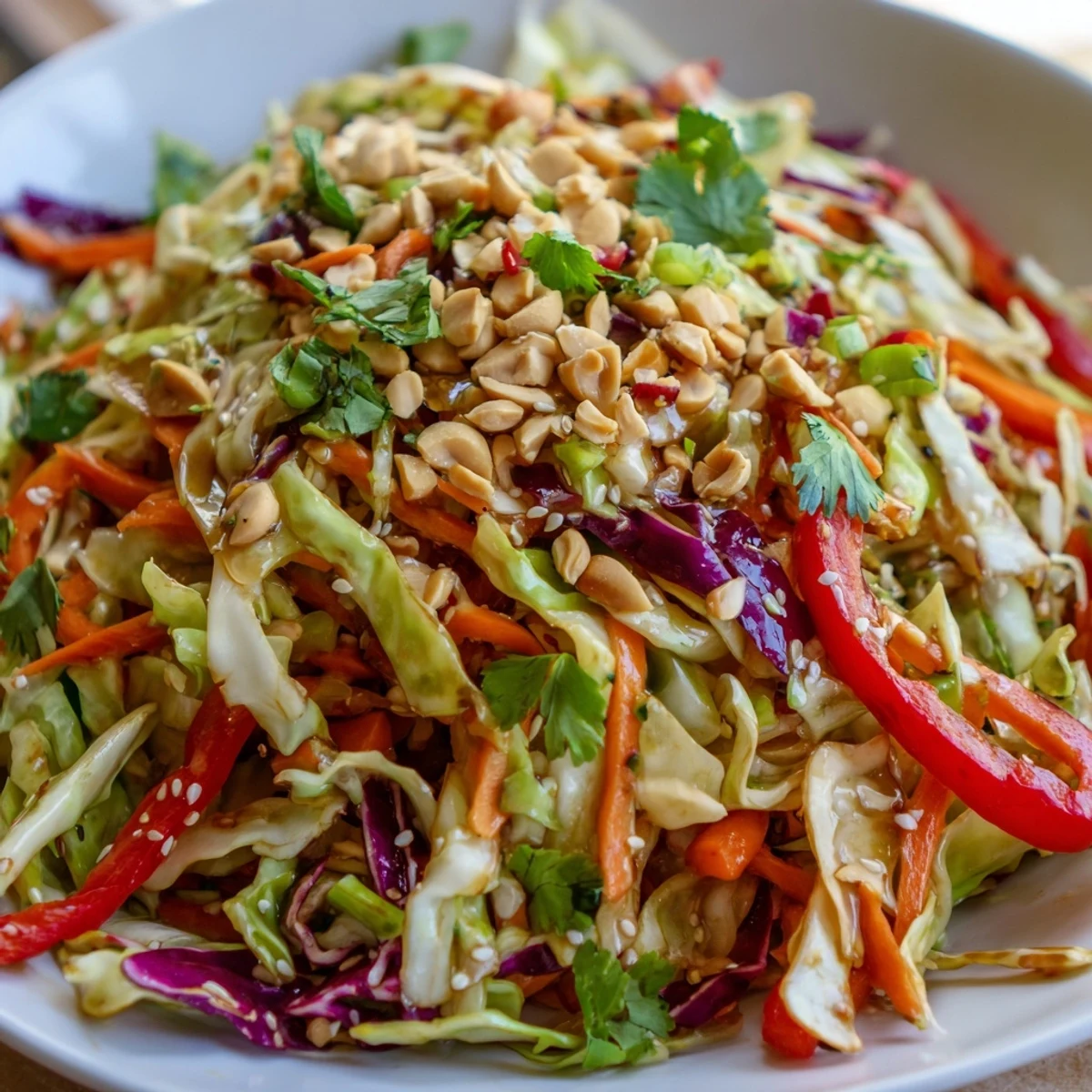
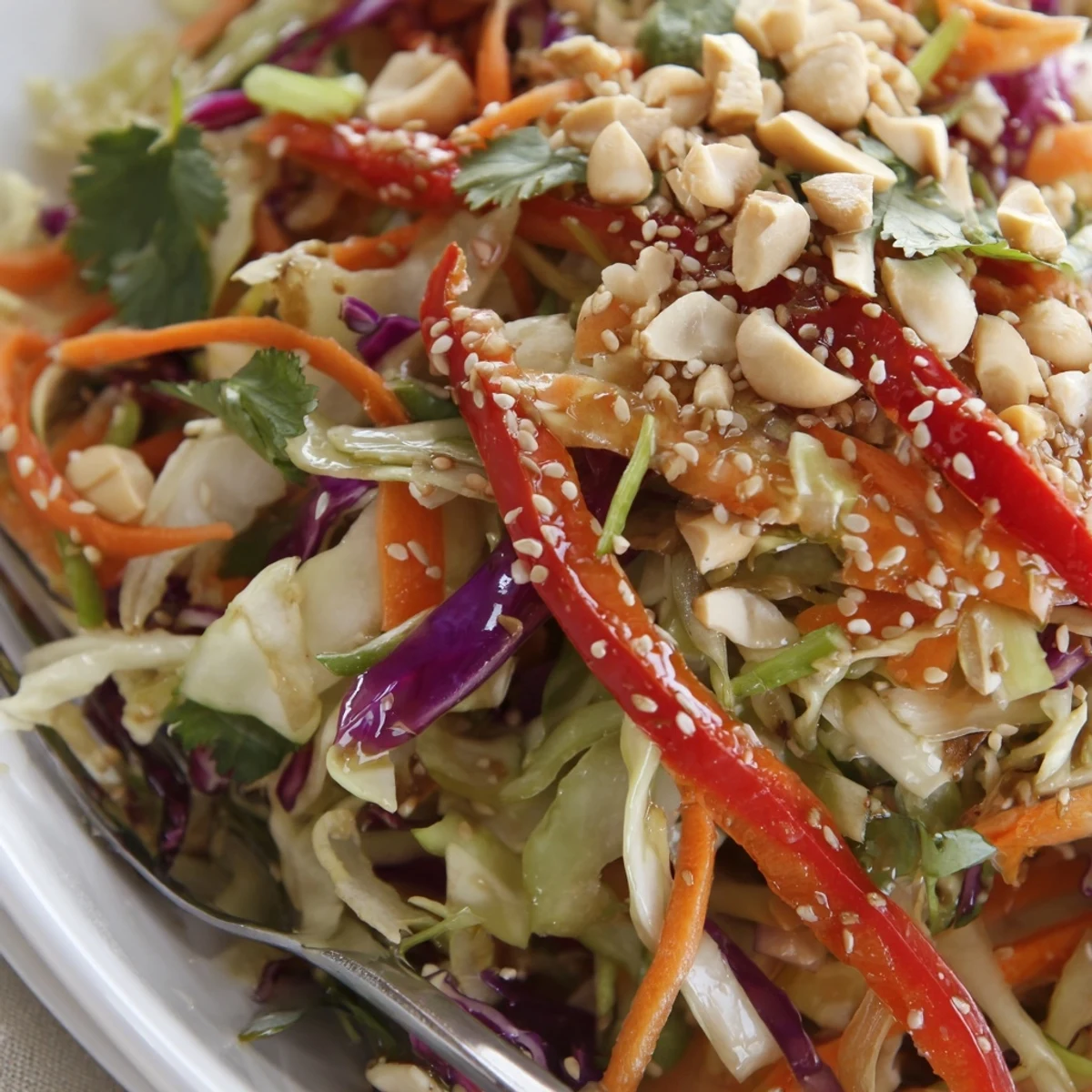
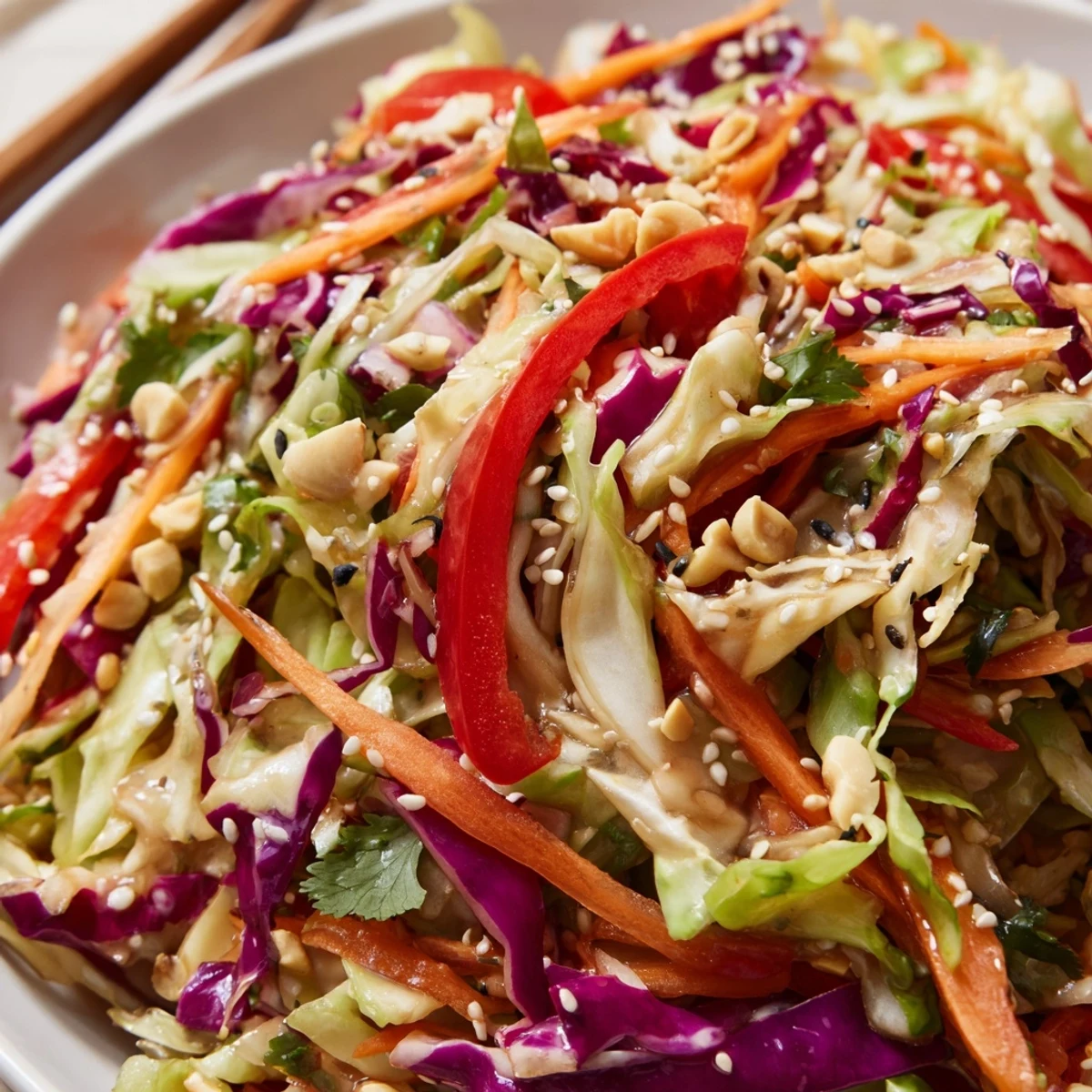
 This crisp Asian cabbage salad blends shredded green and red cabbage with julienned carrot, sliced bell pepper, green onions and fresh cilantro. A simple sesame-ginger dressing of rice vinegar, soy sauce, sesame oil, honey, grated ginger and garlic brightens the mix. Toss with toasted sesame seeds and chopped nuts for texture. Ready in 20 minutes; serve immediately for maximum crunch or let rest briefly to meld flavors. Pairs well with grilled proteins or as a light, cooling side.
You know the happy snap of cabbage between your fingers when you’re slicing it thin? That sound instantly reminds me of a certain evening last spring, windows open, the promise of warm weather and a fresh, colorful salad waiting to star on the table. This Asian Cabbage Salad swept in as a bright solution to the dreaded dinner rut, its tangy sesame aroma making even the act of tossing everything together oddly satisfying. I still grin thinking about the first chaotic batch, cabbage escaping everywhere, but it was worth it for that first bite.
One afternoon, my friends wandered into the kitchen just as I was shaking the dressing in a jar, and suddenly the counter turned into an impromptu salad bar with everyone stealing slices of bell pepper and handfuls of nuts. That group toss, with laughter and a few accidental cilantro leaves on the floor, made this salad a staple for every picnic since.
Ingredients
- Shredded green cabbage: It’s the crunchy blank canvas and holds up under generous dressing without going soggy; bagged mixes work, but cutting your own makes it extra crisp.
- Shredded red cabbage: That pop of purple always earns a wow, plus, it ups the nutrient game and swings the crunch even higher.
- Julienned carrot: Always aim for thin matchsticks so every forkful gets a hint of carrot sweetness; I learned not to overdo it or it’ll take over.
- Red bell pepper: The slices break up the cabbage monotony and bring just the right juicy freshness to the mix.
- Green onions: Their gentle bite gives sharpness; slice them as thin as possible for the best flavor distribution.
- Fresh cilantro: Roughly chopping is best to avoid it clumping; if you’re not a cilantro fan, mint or Thai basil really do wonders here.
- Rice vinegar: Brings that lively acidity; don’t skip it or the dressing falls flat.
- Low-sodium soy sauce: You only need a splash for savory depth, and gluten-free works without a hitch.
- Sesame oil: The fragrance alone feels fancy—just a tablespoon is enough, more can overwhelm.
- Honey or maple syrup: One spoonful balances the tang perfectly; I occasionally switch to maple when I want a deeper note.
- Fresh ginger: Grate it finely so you get bursts of warmth in every bite, not stringy bits.
- Garlic clove: Minced right before mixing in, so it stays punchy and aromatic.
- Chili flakes: Totally optional, but even a sprinkle made the salad sing louder for my spice-loving crowd.
- Toasted sesame seeds: Toasting is worth the extra minute—the nutty crunch transforms each bite.
- Roasted peanuts or cashews: I add these for extra richness and a stealthy protein boost; nuts always go on last to stay crisp.
Instructions
- Mix the vegetables:
- Grab a large bowl and pile in the green cabbage, red cabbage, carrot, bell pepper, green onions, and cilantro. Toss gently with your hands—it’s the best way to combine everything without bruising the veggies.
- Whip up the dressing:
- In a small bowl (or a jar with a lid), whisk together the rice vinegar, soy sauce, sesame oil, honey, grated ginger, garlic, and chili flakes until everything looks glossy and smells zesty.
- Dress and toss:
- Pour the dressing evenly over the bowl of vegetables, then use tongs to toss until each strand shines. Don’t rush; a thorough toss means every bite is coated with flavor.
- Add the toppings:
- Scatter the toasted sesame seeds and nuts (if using) over the salad. Give it one last quick mix or keep the toppings on top for crunchy contrast.
- Serve it fresh:
- Dish it out right away while everything is crisp, or let it sit for up to 10 minutes for a deeper meld of flavors.
 Save to Pinterest
 I still remember the warm sunlight filtering through my little kitchen window while I mixed the dressing, realizing this simple salad was about to outshine every fancy main dish I’d made. That was the day I learned even humble vegetables can steal the spotlight.
Making It Work for You
Honestly, this salad has been the start of so many fun experiments—extra cucumbers in summer, a swap for Thai basil when cilantro was scarce, or using sunflower seeds to keep things nut-free. The basic principle never fails: color, crunch, and a tangy punch.
Best Ways to Serve
This salad plays well as a side for noodles or grilled fish, but it holds its own as a light lunch topped with tofu or chicken. Friends love it at backyard gatherings since it’s sturdy enough to stand the heat and travels well.
Things I Wish I Knew Sooner
When I first started making this, I overpacked the bowl and struggled to toss evenly—now I use two bowls if I need to batch it out, which saves on flying veggies and clean-up.
- Toss everything gently with your hands for best results.
- Chill the veggies before dressing for an extra refreshing bite.
- Add extra chili flakes on the side for spice fans.
 Save to Pinterest
 Next time you crave color and crunch, this Asian Cabbage Salad is a guaranteed mood-brightener. No matter who’s around your table, prepare for empty bowls and happy chatter.
Common Questions
- → Can I make this ahead of time?
-
Yes — mix the vegetables and store them chilled, and keep the dressing separate. Toss them together just before serving to retain crunch. If pre-dressed, expect softer cabbage after a few hours.
- → How can I adjust the dressing heat and sweetness?
-
Reduce or omit chili flakes for less heat. Swap honey for maple syrup for a vegan option and adjust vinegar or soy sauce to balance acidity and saltiness to your taste.
- → What are good nut-free topping alternatives?
-
Use toasted sunflower or pumpkin seeds for crunch, or swap nuts for crispy fried shallots or toasted sesame seeds to keep texture without tree nuts or peanuts.
- → How do I make it gluten-free?
-
Use tamari or a certified gluten-free soy sauce for the dressing. Check labels on other condiments, and avoid any add-ins that contain wheat.
- → Can I add protein to make it a main course?
-
Yes — sliced grilled chicken, pan-seared tofu, or shrimp are excellent. Add them warm for contrast or chilled for a light, ready-to-eat bowl.
- → How can I vary the herbs and flavor profile?
-
Swap cilantro for Thai basil or fresh mint for different aromatic notes. Add lime zest or a splash of lime juice for extra brightness and a fresher citrus edge.