
 Save to Pinterest
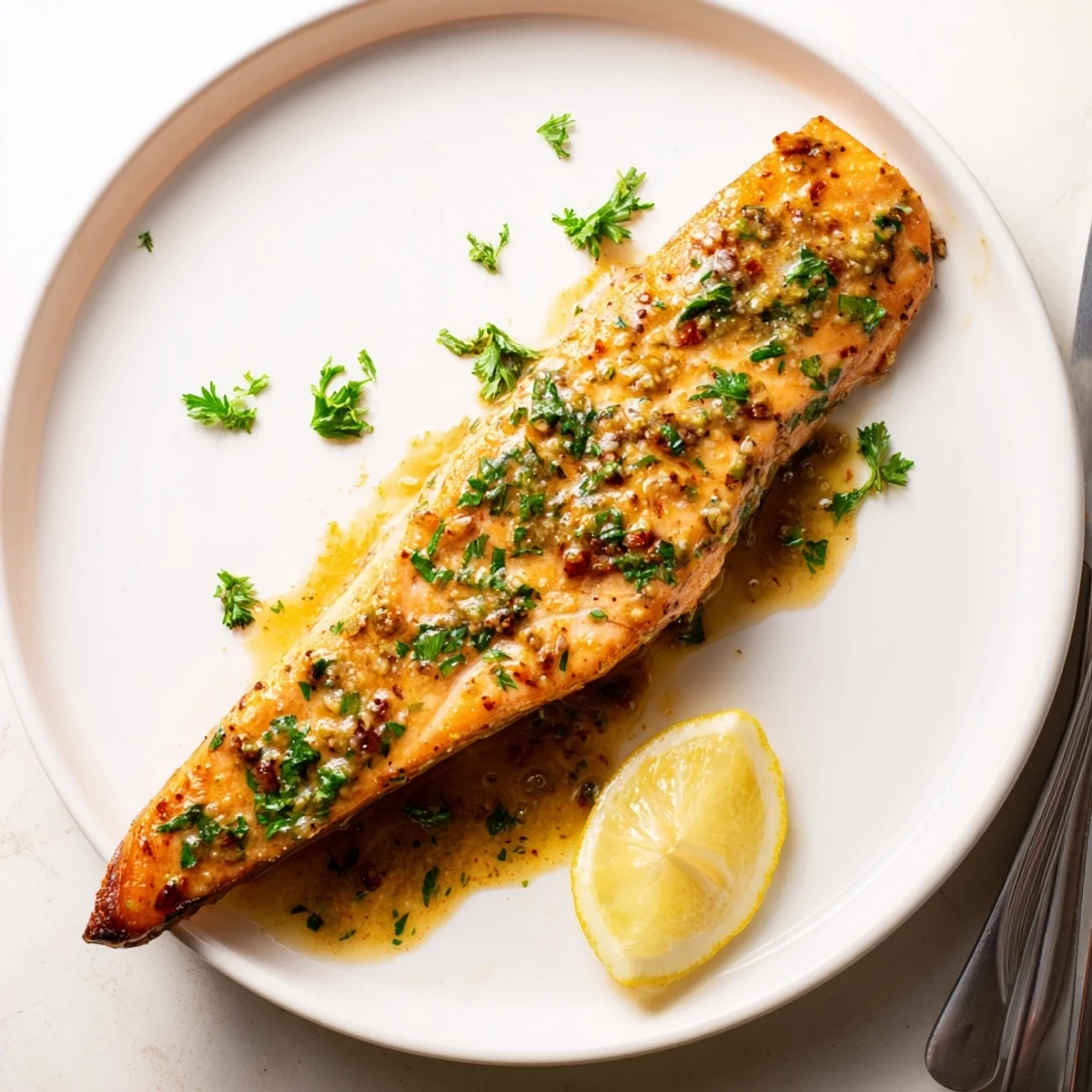
 This baked honey mustard salmon brings together succulent fillets with a luscious glaze made from Dijon mustard, honey, whole grain mustard, and a hint of smoked paprika. Ready in just 25 minutes, it's an effortless yet impressive main course.
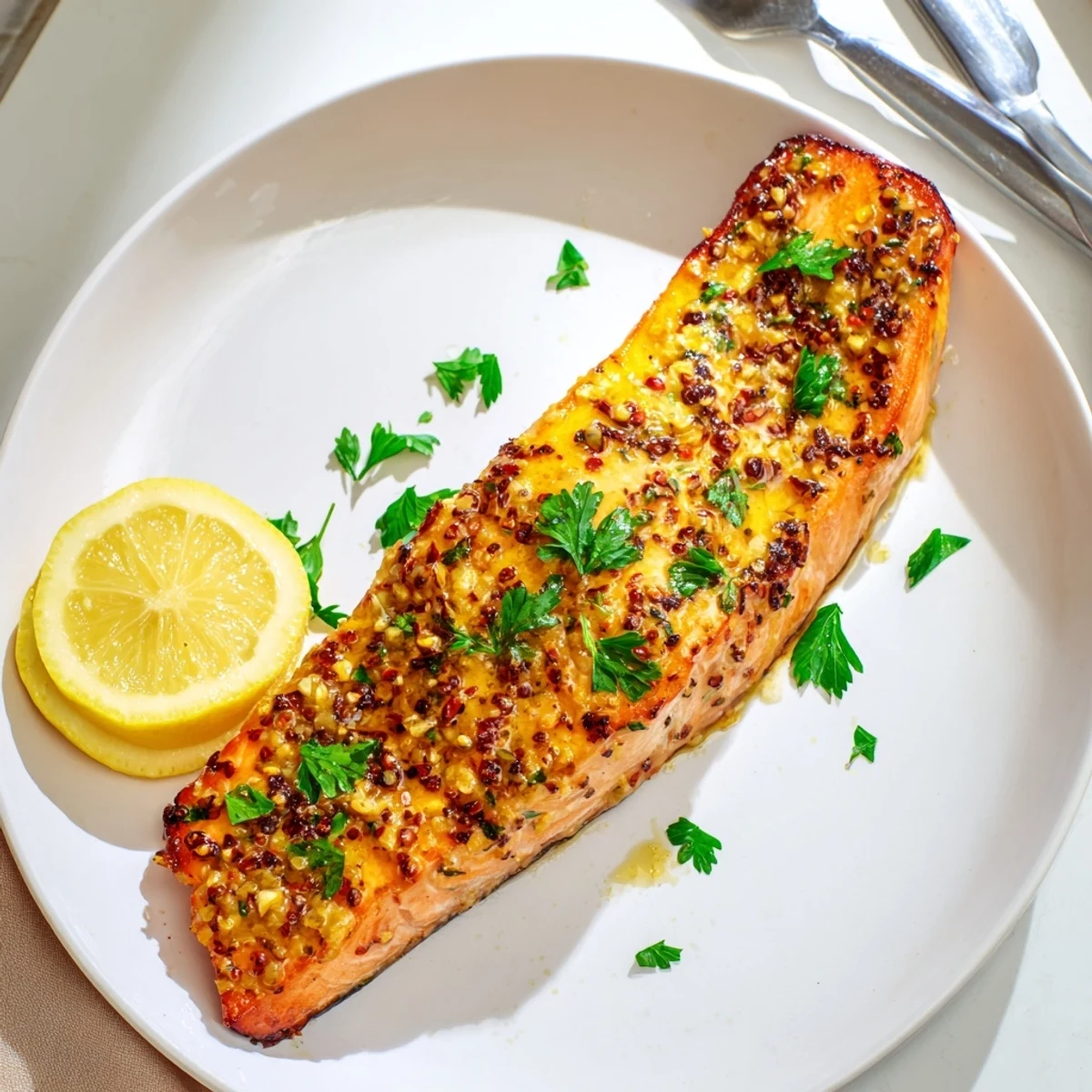
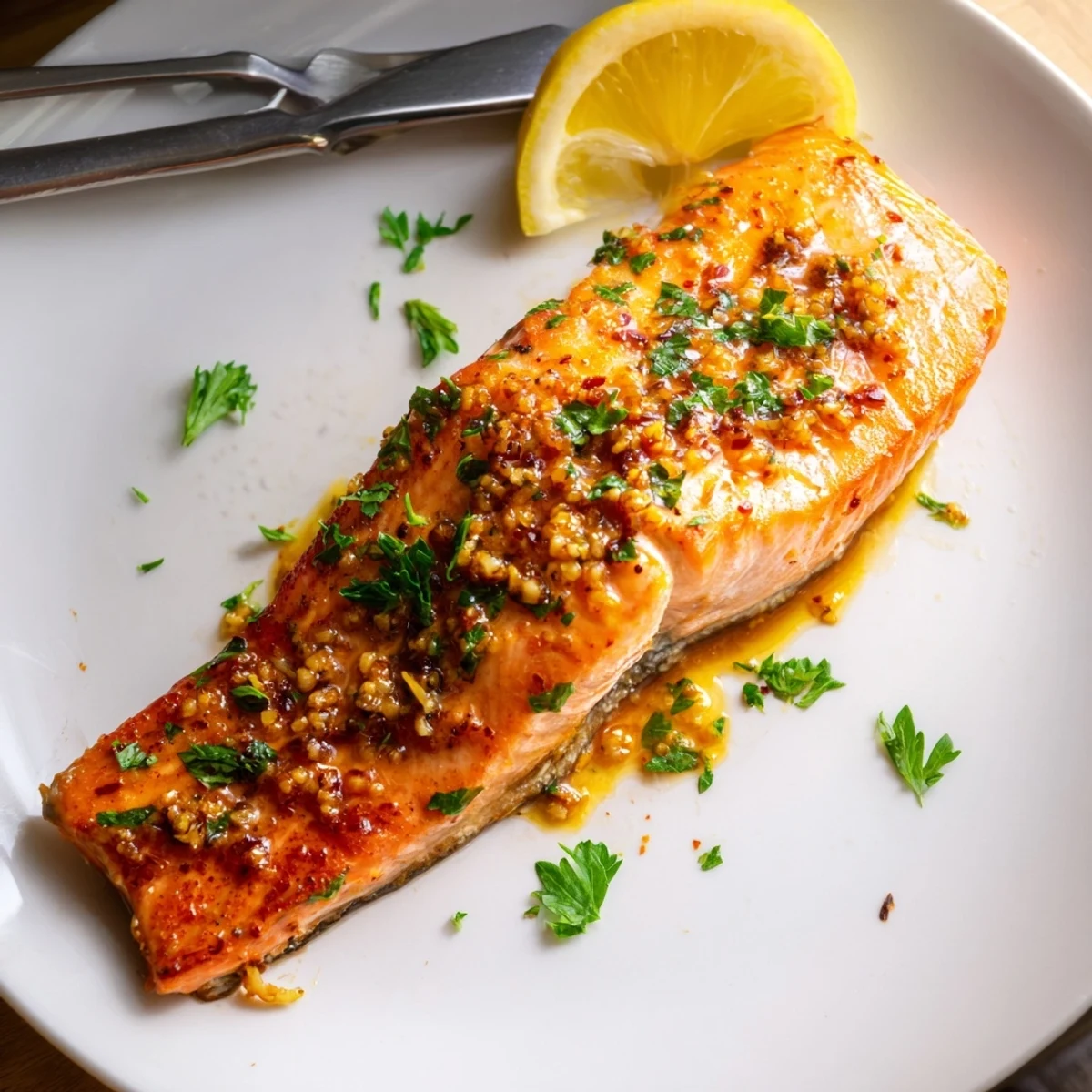
The salmon is generously coated, baked until perfectly flaky, and finished with fresh parsley and lemon. Pair it with roasted vegetables, fluffy rice, or a crisp salad for a complete meal.
The smell of honey caramelizing against mustard on a hot baking sheet is one of those kitchen scents that makes everyone wander in asking when dinner is ready. I stumbled onto this combination one Tuesday when the fridge offered nothing but salmon and a half used jar of Dijon. Ten minutes of whisking later, I had a glaze that turned plain fish into something that felt almost too fancy for a weeknight.
My neighbor Karen knocked on my door the night I first made this, claiming she could smell something incredible from the hallway. We ended up eating together, and now she asks for the recipe every time I see her.
Ingredients
- 4 salmon fillets (about 170 g each): Skin on gives you a crisp bottom layer, but skinless works beautifully if you prefer to skip the flipping debate at the table.
- 3 tbsp Dijon mustard: This is your base layer of sharp, smooth heat that melts into the honey and creates that glossy coating.
- 2 tbsp honey: The sweetness that balances everything and helps the glaze turn golden in the oven.
- 1 tbsp whole grain mustard: Adds little pops of texture and a milder mustard flavor that keeps the glaze interesting.
- 1 tbsp olive oil: Helps the glaze spread evenly and keeps the fish moist underneath all that flavor.
- 1 tbsp fresh lemon juice: Brightens the whole dish and cuts through the richness of the salmon.
- 2 garlic cloves, minced: Fresh garlic only here, the jarred stuff gets lost in the oven.
- 1/2 tsp smoked paprika: A tiny amount that adds surprising depth and a hint of smokiness.
- Salt and freshly ground black pepper: Season both the fish and the glaze, tasting as you go.
- Fresh parsley and lemon wedges: For finishing, because a bright garnish makes everything taste better.
Instructions
- Get the oven hot:
- Preheat to 200 degrees C (400 degrees F) and line a baking tray with parchment paper so nothing sticks and cleanup is effortless.
- Whisk the glaze together:
- In a small bowl, combine the Dijon mustard, honey, whole grain mustard, olive oil, lemon juice, garlic, smoked paprika, and a pinch each of salt and pepper until smooth and golden.
- Prep the salmon:
- Pat the fillets dry with paper towels, which helps the glaze adhere properly, then season them lightly with salt and pepper on all sides.
- Glaze it up:
- Spoon or brush the honey mustard mixture generously over each fillet, letting it pool slightly around the edges where it will caramelize into something wonderful.
- Bake until just right:
- Slide the tray into the oven for 12 to 15 minutes, watching for the moment the salmon flakes easily with a fork and the glaze turns deep amber.
- Rest and garnish:
- Let the fish rest for 2 minutes out of the oven so the juices settle, then scatter chopped parsley and tuck lemon wedges alongside before serving.
 Save to Pinterest
 I have made this dish for date nights, potlucks, and one memorable occasion when my teenager actually put down their phone at the dinner table.
Serving Suggestions
Roasted broccoli or asparagus are natural partners here because they catch the extra glaze that drips off the fish. Steamed rice soaks up every bit of that honey mustard sauce, and a simple arugula salad with lemon vinaigrette keeps things light.
Swaps and Tweaks
If you only have yellow mustard on hand, it works but will be milder and sweeter, so add an extra squeeze of lemon to compensate. A pinch of chili flakes in the glaze is a revelation for anyone who likes heat with their sweetness.
Getting It Right Every Time
The biggest variable is your salmon thickness, so adjust the baking time accordingly rather than strictly following the clock. Thinner fillets need less time, and thicker cuts from the belly might need an extra minute or two.
- Take the salmon out of the fridge 15 minutes before baking so it cooks evenly.
- A pastry brush gives you more control over the glaze than a spoon ever will.
- Always check for pin bones by running your finger along the center of each fillet before glazing.
 Save to Pinterest
 Keep this one in your back pocket for any night when you want maximum payoff with minimal effort. The glaze works on chicken too, so double the batch and thank yourself later.
Common Questions
- → What temperature should the oven be for baking salmon?
-
Preheat your oven to 200°C (400°F). This high heat ensures a beautifully glazed exterior while keeping the salmon moist and tender inside.
- → How do I know when the salmon is done cooking?
-
The salmon is ready when it flakes easily with a fork and appears opaque throughout. This typically takes 12 to 15 minutes at 200°C, depending on the thickness of your fillets.
- → Can I use skinless salmon fillets instead of skin-on?
-
Absolutely. Both skin-on and skinless fillets work well. Skin-on fillets retain slightly more moisture, but skinless ones are equally delicious and more convenient to eat.
- → How can I get extra caramelization on the glaze?
-
After baking, switch your oven to broil for an additional 1 to 2 minutes. Keep a close eye on it to prevent burning. This step creates a beautifully golden, sticky finish.
- → What sides go well with honey mustard salmon?
-
Roasted vegetables like asparagus or Brussels sprouts are excellent companions. Steamed rice, quinoa, or a fresh green salad also complement the sweet and tangy flavors beautifully.
- → Is this dish suitable for gluten-free diets?
-
Yes, this salmon dish is naturally gluten-free. Just verify that your Dijon mustard and whole grain mustard brands are certified gluten-free, as some may contain trace additives.