
 Save to Pinterest
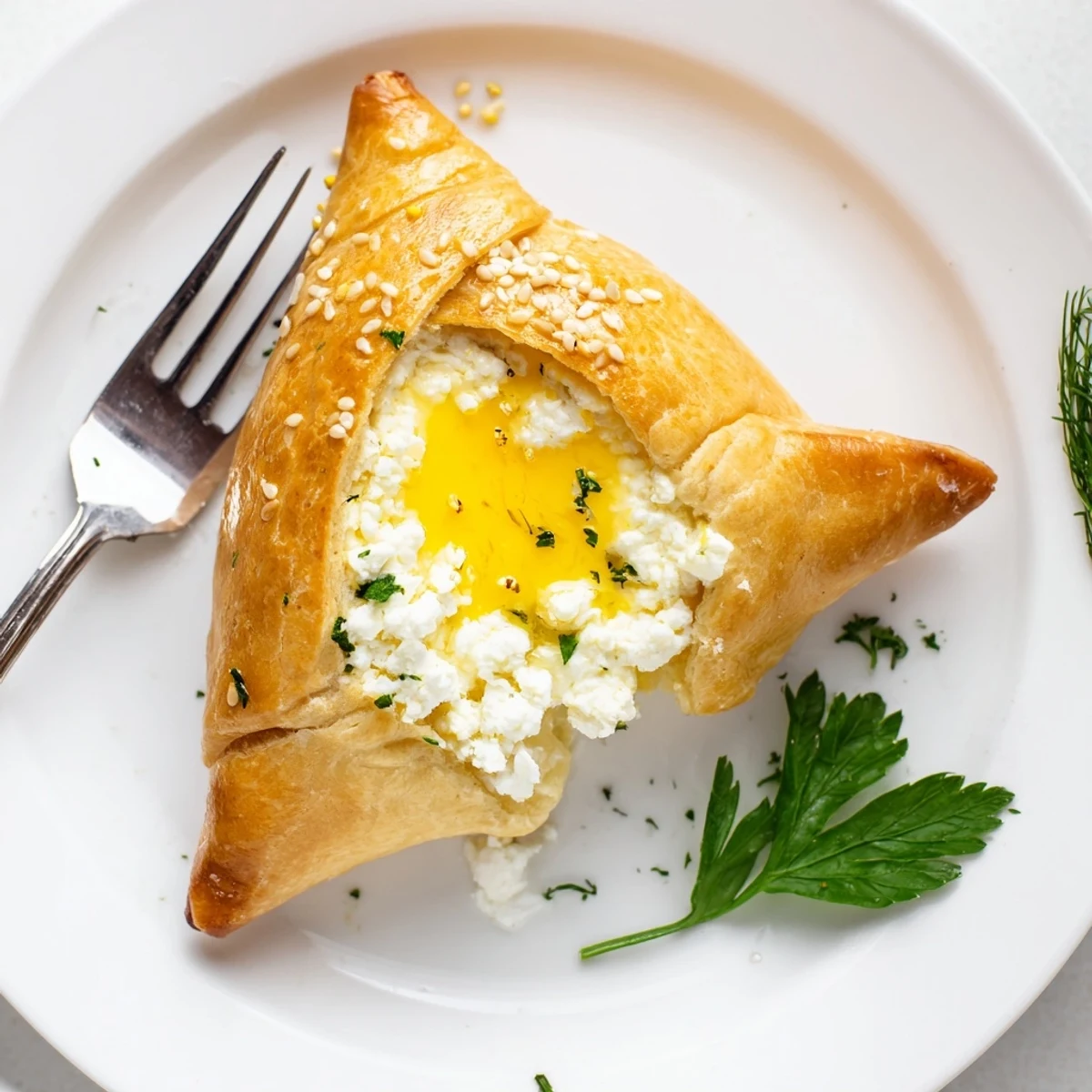
 These Cheese Fatayer are soft yeast dough pockets filled with crumbled feta, shredded mozzarella and parsley. The dough is kneaded, allowed to rise, divided into 12 rounds, filled, sealed and brushed with egg yolk before baking at 190°C until golden. Ready in about 45 minutes, they make a savory mezze or light meal; swap cheeses for varied textures and flavors.
The first time I attempted cheese fatayer, the bakery aroma filled my kitchen so completely I grinned before they'd even reached the oven. You could almost taste anticipation in the air—olive oil's richness, that gentle tang of yeast, and a wild card: parsley snipped with less precision than I'd like to admit. Watching the dough rise felt like a mini science experiment gone deliciously right. I didn't intend to eat nearly half the batch as a late-night snack, but here we are.
I tried assembling a tray of these while my roommate FaceTimed her family, her conversations blending with the lively patter of cheese talk and reminders not to overfill each round. There was flour on the handle of every drawer, laughter at our lopsided attempts, and a happy race to see whose first fatayer would cool enough to taste. When we finally sat down, phones quiet at last, we each claimed the crispest one from the tray. I don’t remember what podcast was playing in the background, just that every bite had melted cheese and triumph in it.
Ingredients
- All-purpose flour: It gives the dough its classic soft bite; I always aerate it with a quick whisk to avoid heaviness.
- Instant dry yeast: Faster and easier for home bakers—make sure it's fresh for that satisfying lift.
- Sugar: Just a pinch—enough to feed the yeast and encourage gentle browning.
- Salt: Never skip it; it’s the background note that keeps each bite flavorful.
- Olive oil: Adds tenderness and a subtle taste—don’t be afraid to use the good stuff here.
- Warm milk: Warms the dough and helps everything combine; I keep a bit extra nearby, just in case it’s dry.
- Feta cheese: Salty and soft, it’s the star—pat it dry if it seems too wet.
- Mozzarella cheese: For a luscious melt and gooey finish; shredding your own is so much better than pre-shredded.
- Fresh parsley: Its pop of color and brightness are non-negotiable—chop it fine so it weaves through the cheese.
- Nigella seeds or black sesame seeds (optional): Sprinkle for a faint peppery crunch that feels traditional and surprising at once.
- Egg white: It binds the filling just enough and adds a silky texture.
- Black pepper: Twist it in at the last moment to keep the flavor clear and bold.
- Egg yolk: For that bakery-style shine and color atop each pocket.
- Milk or water (for brushing): Thins the yolk just a touch, so every fatayer glows golden.
Instructions
- Mix up the dough:
- Start by bringing together flour, yeast, sugar, and salt in your biggest bowl, stirring for even distribution. Drizzle in olive oil and slowly pour the warm milk as you knead—expect sticky fingers at first, but the dough relaxes after a few pushes and folds.
- Patience for the rise:
- Gather the dough into a ball and cover the bowl, tucking it somewhere warm—sometimes I prop it next to the kettle. An hour later, lifting the cloth reveals a softly domed, pillowy mass that smells faintly sweet.
- Mix the cheese blend:
- In a medium bowl, lightly combine the crumbled feta, stretchy mozzarella, chopped parsley, and, if you have them, nigella seeds. Stir in the egg white to bring it together, finishing with a crack of black pepper, and resist the urge to nibble too much of the filling.
- Preheat and prep:
- Set the oven to 375°F (190°C) and line a sheet with parchment paper—it’s the only way to guarantee easy release and no sticking memories.
- Shape your dough:
- Punch the risen dough down with a gentle fist, then divide into 12 even pieces. Roll each into a ball and flatten to a small circle, aiming for 4–5 inches wide; it’s okay if some look rustic.
- Fill and fold:
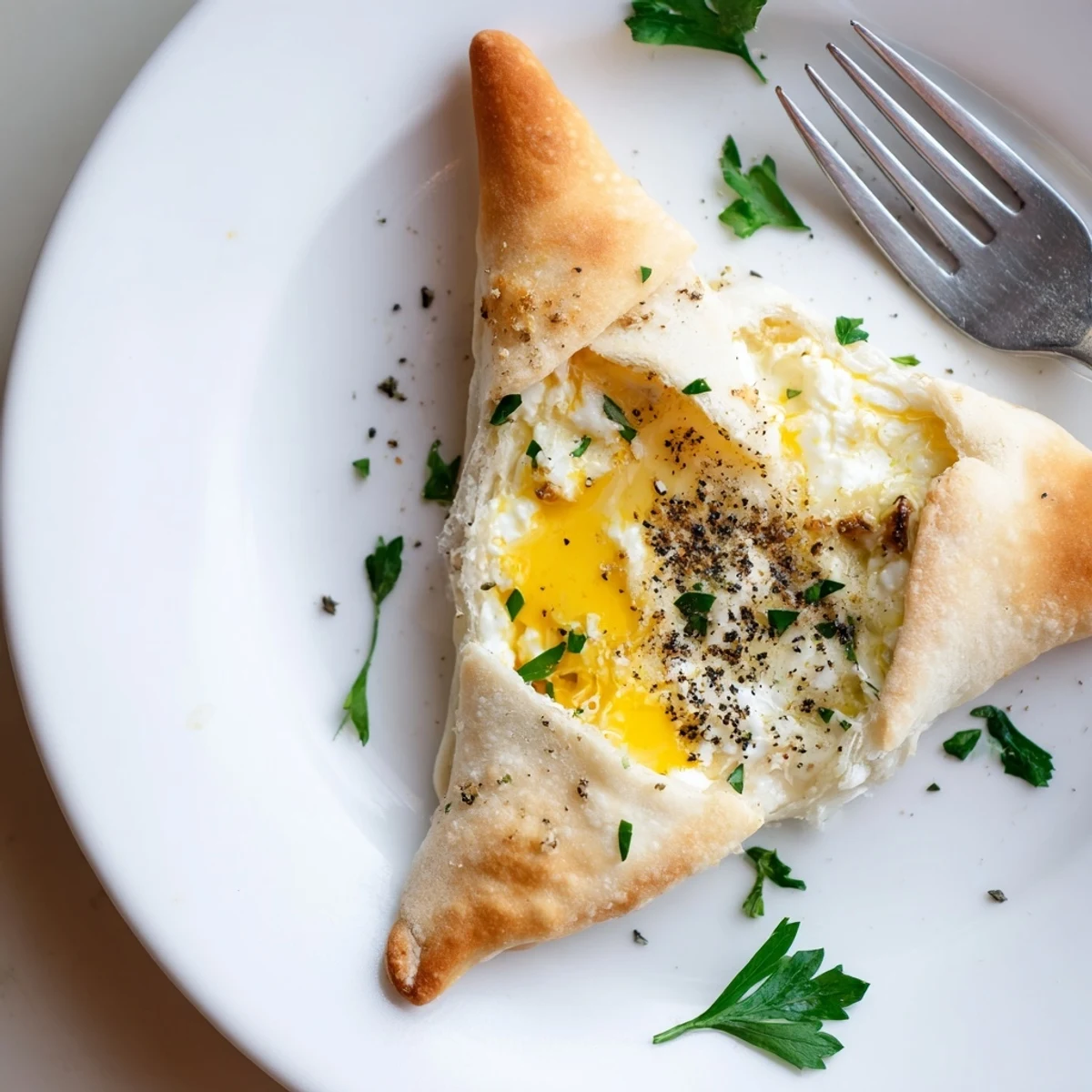
- Add a generous spoonful of cheese to each round’s center. Fold up the sides, pinching well to seal and form triangles or ovals—press firmly, letting the tip of each triangle hold its shape.
- Arrange and brush:
- Set your shaped fatayer on the tray with space between, then whisk egg yolk with a bit of milk or water and brush each one for shine. If you like, a final sprinkle of seeds over the tops adds a perfect touch before the oven.
- Bake to golden perfection:
- Slide the tray onto the center rack and bake 18–22 minutes, checking once you smell that deep, beckoning bread note. Let them cool just long enough that you won’t burn your fingers—warm is best.
 Save to Pinterest
 When I made a double batch for friends after a late-summer hike, we tore them apart on the porch while still warm, dripping crumbs onto napkins. Someone declared them better than the ones they'd had in Amman, which set off a debate about the ideal level of browning and the virtues of using fresh parsley. No matter the verdict, the fatayer vanished in minutes, and the evening felt effortlessly celebratory. It’s funny how a platter of cheesy pastries can turn a tired group into laughing, satisfied people again.
Dough Troubleshooting for Home Bakers
If the dough feels sticky, don’t panic—just dust your hands and countertop with a bit more flour and keep working it gently. I’ve found that slightly over-wet dough leads to softer fatayer, but if it’s too wet, the pastry won’t hold its shape. On dry days, you might need a splash more milk. A little patience is the secret ingredient that always pays off here.
Playing With Fillings
I’ve tested plenty of cheese combos, and sometimes tossing in a handful of chopped chives or a pinch of Aleppo pepper makes all the difference. If you want a less salty pastry, use part ricotta and part mozzarella, or bring in a grating of hard cheese like kasseri for depth. The filling should be thick but spreadable enough to shape. Give the flavors a little time to meld while the dough rises for the tastiest bite.
Serving and Storing Cheese Fatayer
Fatayer taste best not long out of the oven, but leftovers toast up beautifully the next day at low heat. If you’re serving guests, pair them with fresh mint, tomatoes, olives, or even a quick cucumber salad. They freeze well—just wrap tightly and reheat before sharing to revive that irresistible fragrance.
- Let them cool on a rack for the crispiest bottoms.
- Don’t skip the egg wash for color and shine.
- Sprinkle extra nigella or sesame on top right before baking for bonus flavor.
 Save to Pinterest
 I hope you find as much joy making (and devouring) these cheese fatayer as I did—pastry making is even better when shared. May your kitchen fill with laughter and golden, cheesy bites.
Common Questions
- → How do I keep the dough soft and elastic?
-
Use warm milk and knead until the dough is smooth and slightly tacky. Allow it to rise in a warm draft-free spot until doubled; this rest develops gluten and yields a tender, elastic crumb.
- → Can I freeze the filled pockets before baking?
-
Yes. Freeze arranged, unbaked pockets on a tray until firm, then transfer to a bag. Bake from frozen, adding a few extra minutes to the bake time and brushing with egg wash just before going into the oven.
- → What cheeses work best for the filling?
-
Crumbled feta combined with a melting cheese like mozzarella gives tang and stretch. You can also mix ricotta for creaminess or halloumi for a saltier bite—adjust salt and pepper accordingly.
- → How do I prevent the filling from leaking during baking?
-
Ensure each dough round is not overfilled, press seams firmly and pinch edges tightly. Using a little egg white in the filling helps bind ingredients and reduce seepage.
- → Are there egg wash alternatives for brushing the tops?
-
Yes. For a glossy finish without eggs, brush with milk, cream, or a thin olive oil wash. A milk wash gives a light brown color while oil yields a subtle sheen and crispness.
- → Best way to reheat leftovers?
-
Reheat in a preheated oven at 175–180°C (350°F) for 8–10 minutes to restore crisp edges. For quicker reheating, a toaster oven works well to revive the crust without softening the dough.