
 Save to Pinterest
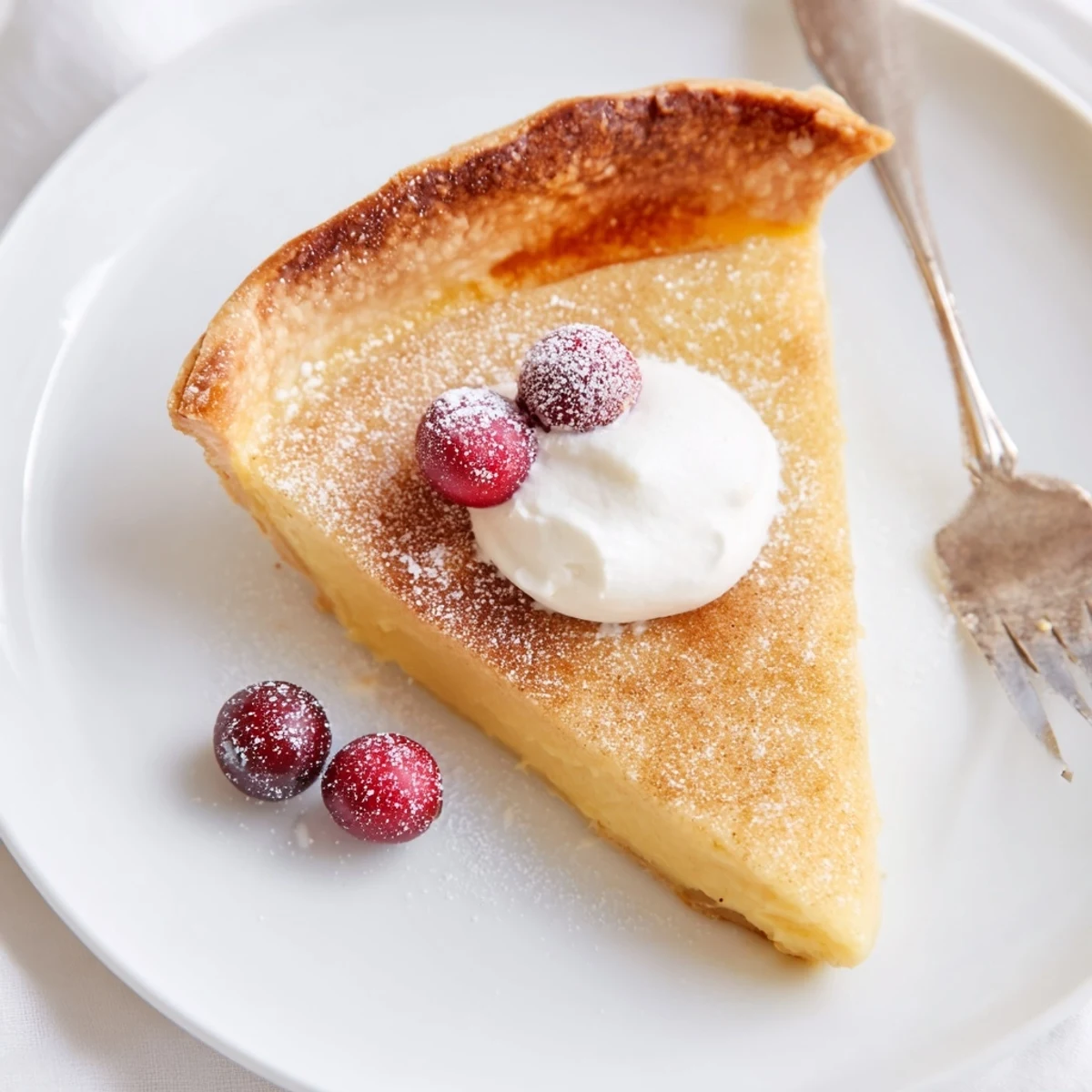
 This custard blends milk, cream, eggs, sugar and cornstarch with vanilla and cinnamon, poured into a 9-inch crust and baked until just set. Tempering the eggs with warm dairy and straining yields a silky surface; tent the crust edges if they brown. Chill at least two hours for clean slices. Finish with a dusting of cinnamon or powdered sugar and optional brandy or sugared cranberries for festive flair.
Steam rising from a custard pie reminds me of the way cinnamon-sweet air would wrap around the kitchen right as the oven timer started to sing. Some recipes just seem to collect little moments every time you make them: the clink of a whisk against a bowl, the question of whether to dust with sugar, someone's voice commenting from the living room. There’s a peculiar joy in watching the custard set into something silky, and frankly, the anticipation of that first bite outshines any present under the tree. Vanilla and cinnamon aren’t just flavors here—they’re a tiny celebration in themselves.
The year I first brought this pie to a Christmas Eve dinner, my uncle tried to guess the secret ingredient while scraping his plate—he never did guess it was just a little extra vanilla. I can still recall my cousin waiting (less than patiently) for the pie to cool, and the way she grinned when she finally got her slice. Every now and then, the tradition includes an emergency run to the corner store for more eggs, but that somehow adds to the charm. I love that it always draws folks into the kitchen, peeking at the oven with hope.
Ingredients
- Unbaked pie crust (9 inch): The base for all the magic; homemade is a treat but store-bought works perfectly—just remember to let it come to room temperature so it doesn’t crack.
- Whole milk: Provides richness and depth, and I’ve noticed using milk straight from the fridge makes the filling too cold to set right.
- Heavy cream: Adds luxurious silkiness, making the custard stand out compared to pies made with only milk.
- Large eggs: Bind the custard and create that irresistible wobble in the center; always crack them into a separate bowl in case of shells.
- Granulated sugar: Sweetens the filling just enough to balance the spice, and I like to sprinkle any leftover sugar on top for a little sparkle.
- Cornstarch: My secret for a custard that slices cleanly; I learned the hard way that skipping it can lead to a sad, runny pie.
- Vanilla extract: Enhances warmth; I splash in a little extra if I’m feeling generous with flavor.
- Ground cinnamon: The backbone of holiday comfort, and a dusting just before serving makes for beautiful presentation.
- Fine sea salt: Essential for highlighting the sweet and spice—don’t skip it or the custard tastes flat.
- Powdered sugar (optional): Flurries of powdered sugar on top mimic snow; it’s optional, but I can never resist.
Instructions
- Prepare the pie crust:
- Gently press your pie crust into a 9-inch pan, trim or crimp the edges, and try not to fuss over perfection—the rustic look is just fine.
- Warm the cream and milk:
- Combine both in a saucepan and heat slowly on medium until you see vapor rising but no boiling bubbles; the kitchen should smell milky and sweet at this point.
- Whisk up the base:
- In a mixing bowl, whisk eggs, sugar, cornstarch, vanilla, cinnamon, and salt until everything is smooth and golden—keep going until you see no streaks of yolk.
- Temper the eggs:
- Slowly pour the warm milk mixture into your egg mix, whisking constantly so nothing scrambles and the custard base merges together silkily.
- Strain for smoothness:
- Pass the custard through a fine sieve for that signature silky texture—trust me, this little step makes a big difference.
- Fill and bake:
- Pour the custard gently into your prepared crust and bake at 350°F (175°C) for 45 to 50 minutes, watching for a gentle wobble in the center while the kitchen fills with holiday scents.
- Cool and decorate:
- Let the pie cool on a wire rack so the custard sets fully, then sprinkle with cinnamon and (if you’re in the mood) a light dusting of powdered sugar.
- Chill before serving:
- Refrigerate the pie for at least 2 hours—waiting is hard, but the slices hold up perfectly afterward.
 Save to Pinterest
 There was one Christmas Eve when the pie disappeared before we’d even cut the second dessert, and everyone hurried for a seat at the kitchen table—just to chat over the last crumbs. Somehow the pie started as the centerpiece but ended as the after-dinner conversation starter. I realized then that even simple custard pie can gather a crowd, laughter, and a couple of new inside jokes. Each year after, there’s always someone saving a tiny slice for breakfast the next day.
Making It Your Own
If you ever have leftover homemade pie dough scraps, twisting them into little cinnamon pinwheels with the extra filling is pure genius. I’ve tossed in a splash of bourbon for adults or even swapped part of the vanilla for almond extract for a twist. Once, we replaced the milk with coconut milk for a dairy-free version—different, but delicious in its own right. Customizing is half the fun and keeps it new year after year.
Serving Suggestions That Never Fail
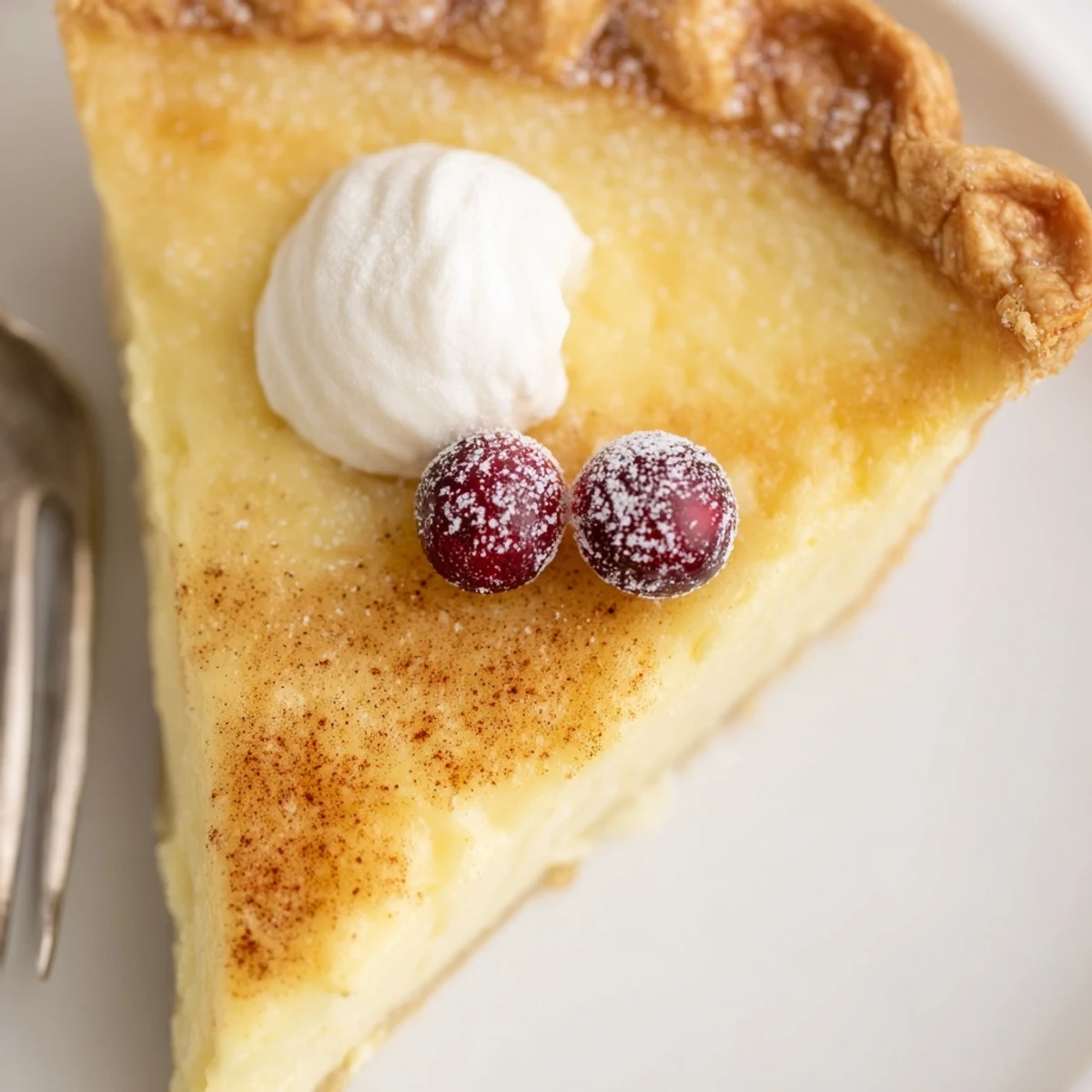
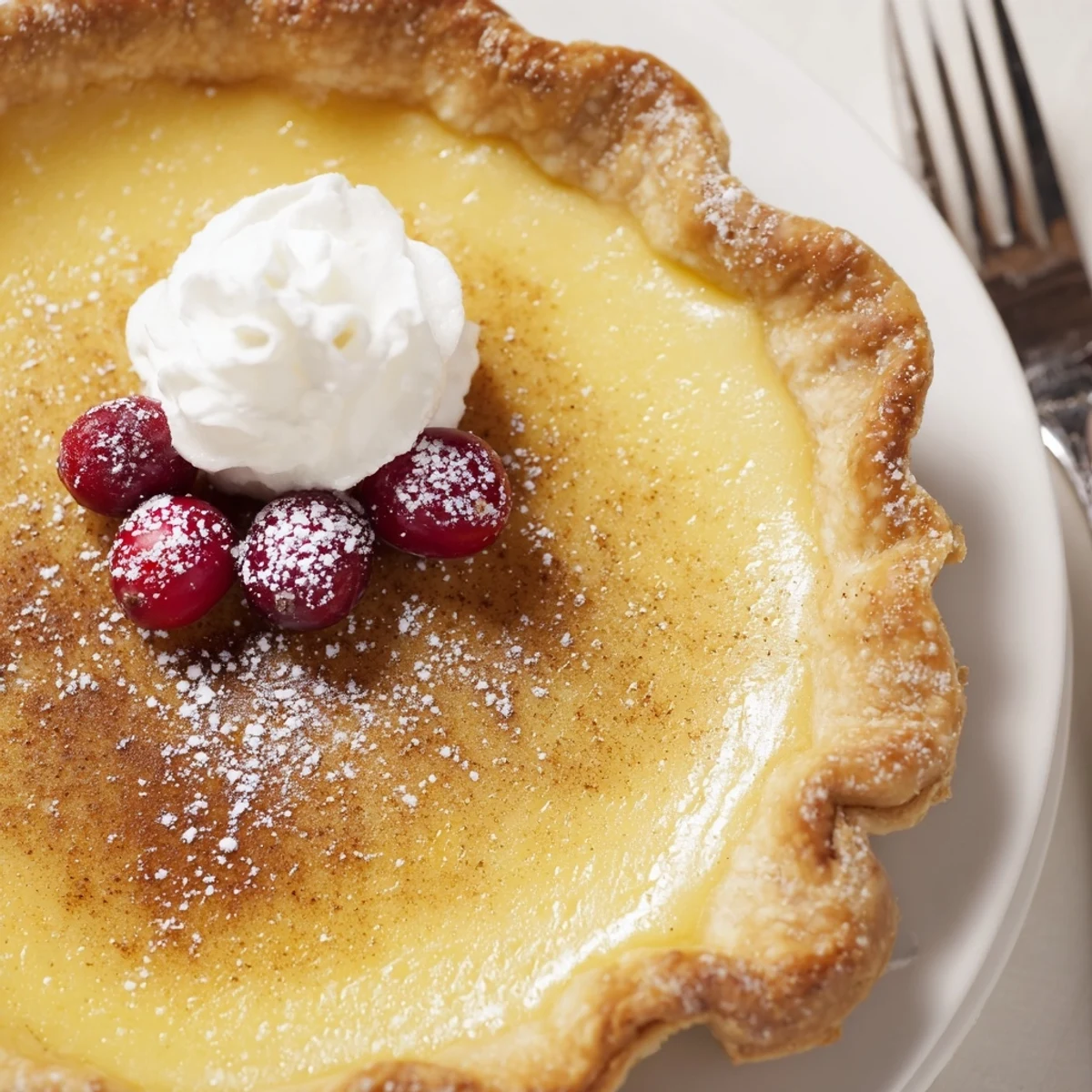
This pie loves company: a dollop of whipped cream, a handful of sugared cranberries, or a drizzle of caramel can each play supporting roles. For brunch, serve chilled slices with coffee or hot cocoa, letting the cinnamon linger on your palate. If you have extra, cut into little bars for a dessert tray—people will ask for the recipe. And don’t forget, it’s secretly magical as a midnight snack straight from the fridge.
What I’d Tell a Friend Over Coffee
The custard always looks jiggly when you take it out—it’s supposed to. Letting the pie cool completely and chill is the only way to get clean, dreamy slices. If the crust is browning too quickly, a little foil tent works wonders.
- Let the pie cool on a rack: rushing makes the custard collapse.
- Use fresh cinnamon for topping—taste is brighter.
- Don’t worry if there’s a little crack in the top—it means you’re a real baker.
 Save to Pinterest
 I hope this custard pie brings a dash of warmth and a crowd to your kitchen, just as it has to mine. Don’t be surprised if there’s a race for the last piece.
Common Questions
- → How do I prevent a curdled custard?
-
Temper the eggs by slowly whisking warm milk into the egg mixture, then return the combined mix to the pan. Gentle heat and constant stirring, plus straining before baking, promote a smooth, silk-textured custard.
- → How can I stop the crust from browning too quickly?
-
Tent the pie edges with foil or use a pie shield once the crust reaches your desired color. You can also blind-bake briefly and cool before pouring in the filling to reduce over-browning.
- → Can I make this ahead of time?
-
Yes. Bake and chill the pie for at least two hours, then refrigerate covered. It keeps well for up to three days; chilling helps the custard set for clean slices.
- → What substitutions work for dairy or gluten concerns?
-
For dairy-free, use a full-fat oat or coconut cream blend and test texture adjustments; for a gluten-free base, use a store-bought or homemade gluten-free pie crust that fits a 9-inch pan.
- → Should the custard be fully firm when it comes out of the oven?
-
No. The center should be slightly wobbly; residual heat will finish setting as it cools. Overbaking leads to a rubbery texture, so remove when just set.
- → Any tips for flavor variations?
-
Fold in a splash of bourbon or brandy for warmth, add orange zest for brightness, or top with sugared cranberries and a dollop of whipped cream for extra holiday appeal.