
 Save to Pinterest
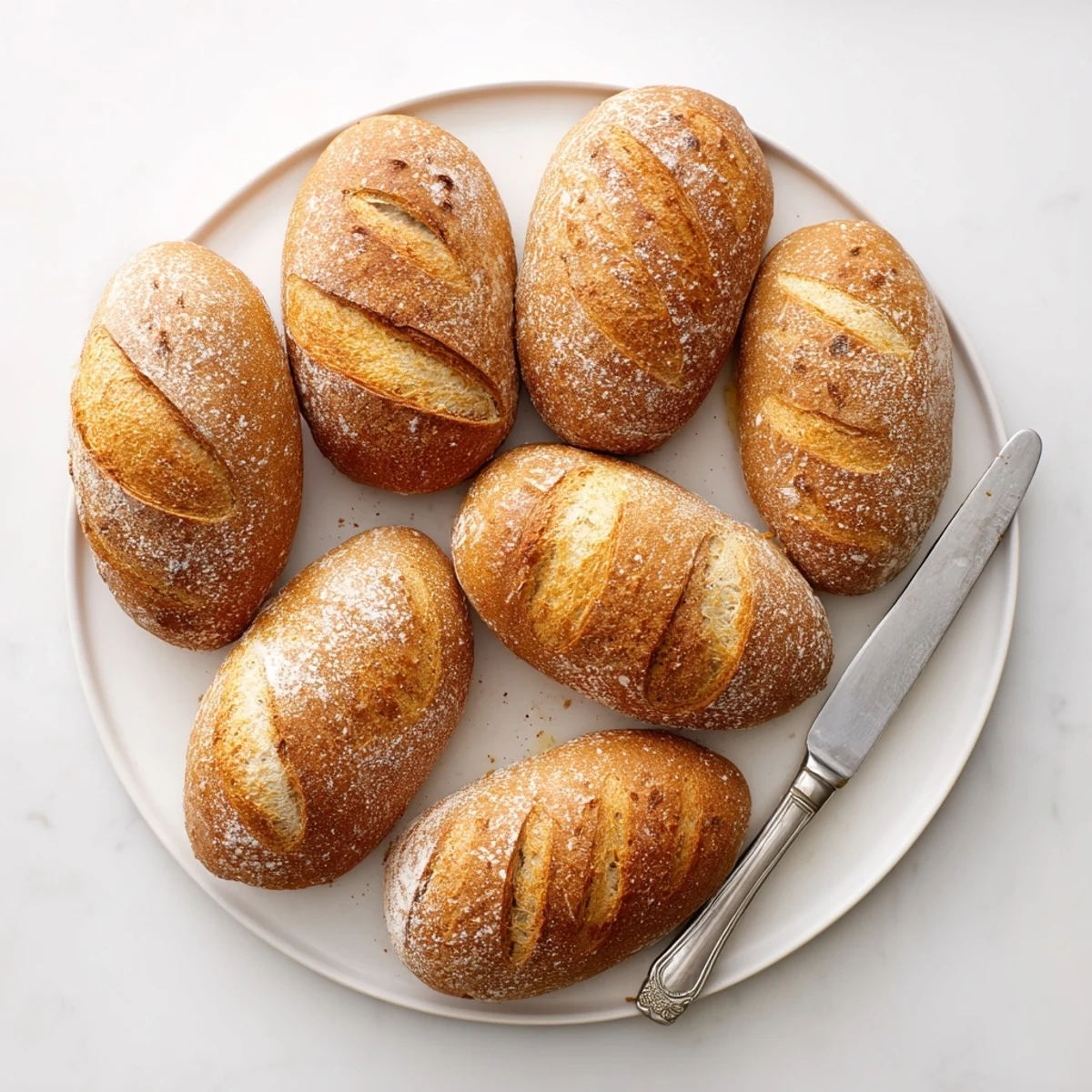
 Create bakery-worthy French bread rolls with a golden, crackly crust and soft, airy interior. These classic rolls deliver the perfect texture contrast - shatteringly crisp outside that gives way to pillowy tender bread within. The steam baking method ensures professional results, while the simple yeast dough requires just basic pantry staples. Each roll emerges from the oven with a beautiful flour-dusted finish and signature slashes that capture that authentic French boulangerie appearance.
My tiny apartment kitchen had one radiator that clicked and hissed all winter, right beside the counter where I first learned to bake bread. That radiators warmth became my proofing drawer, and those first uneven rolls taught me that yeast is more forgiving than wed been led to believe. Now I make these whenever the weather turns cold, filling the whole house with that unmistakable baked bread smell that makes even bad days feel cozy.
Last winter my neighbor knocked on my door because she could smell them baking from down the hall. I sent her home with two warm rolls wrapped in a tea towel, and now we trade bread for her homemade jam regularly. Something about these rolls just brings people together.
Ingredients
- Bread flour: The higher protein content creates that chewy structure French bread is famous for
- Lukewarm water: Test it on your wrist like babys milk, hot water kills yeast, cold water makes it sluggish
- Active dry yeast: Let it foam up first, this step proves your yeast is alive and ready to work
- Salt: Dont skip this, it controls fermentation and deepens flavor dramatically
- Sugar: Just a teaspoon feeds the yeast without making the bread taste sweet
Instructions
- Wake up the yeast:
- Dissolve sugar in lukewarm water, stir in yeast, and watch for bubbles. If nothing happens after ten minutes, your yeast might be dead and you will need new yeast.
- Build the dough:
- Mix flour and salt into the yeast mixture until combined, then turn onto a clean surface and knead until the dough feels smooth and bounces back when you poke it.
- First rise:
- Place dough in a lightly oiled bowl, cover with a warm damp cloth, and find the warmest corner of your kitchen. The dough should double in size, which takes about an hour.
- Shape the rolls:
- Gently deflate dough and divide into eight pieces. Form each into a tight ball by tucking the edges underneath, creating surface tension that helps them hold their shape.
- Second rise:
- Arrange shaped rolls on parchment paper with space between them. Cover and let them rest until noticeably puffy, about thirty to forty minutes.
- Create steam:
- Preheat your oven to 450 degrees and place a shallow pan of hot water on the bottom rack. This steam is the secret to that crackly restaurant style crust.
- Score and bake:
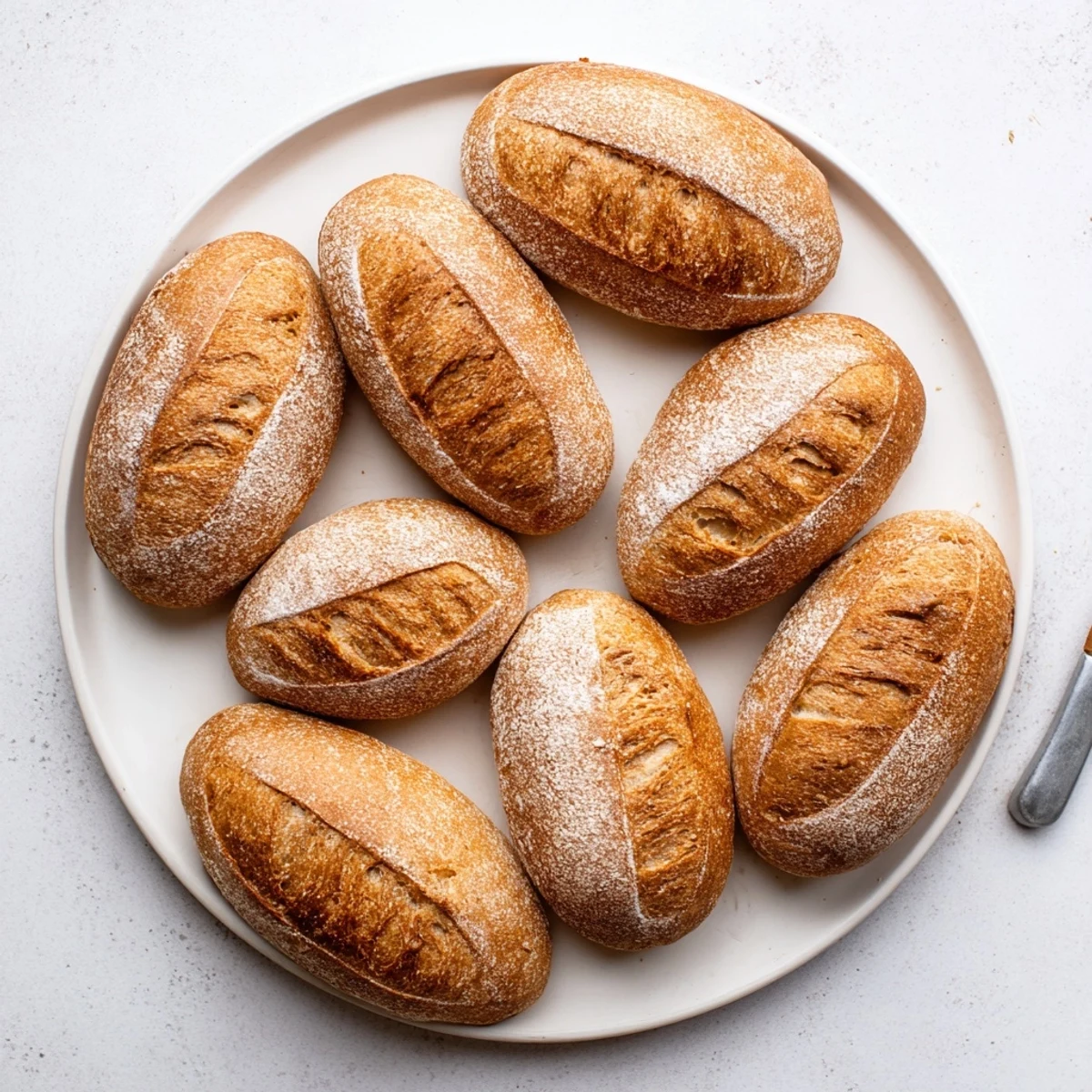
- Dust tops with flour and make a shallow slash across each roll with a sharp knife. Bake until deeply golden, tapping the bottom to hear if they sound hollow.
 Save to Pinterest
 My nephew used to request these for every family dinner, calling them the crunchy ones. Watching him break apart a warm roll, butter melting into all those crevices, reminded me why I started baking in the first place. Food becomes memory faster than we realize.
Making Them Your Own
I have learned that replacing a quarter cup of water with warm milk makes these even more tender. The milk proteins soften the crumb just enough without losing that signature French bread texture. My sister insists this small change makes them perfect for breakfast sandwiches.
Timing Is Everything
These rolls need at least two hours from start to finish, but most of that time is hands off. I often start the dough in the morning, let it rise while I run errands, then shape and bake when I get home. The longer, slower first rise actually develops better flavor.
Serving Suggestions
Warm these rolls for five minutes in a 350 degree oven before serving to refresh the crust. They are substantial enough to hold up to hearty soups but delicate enough that the butter should be room temperature, not cold from the fridge.
- Slice them in half for garlic bread with minced garlic and parsley mixed into softened butter
- Use day old rolls to make exceptional croutons for your next Caesar salad
- Freeze extras in airtight bags and reheat at 375 degrees for ten minutes
 Save to Pinterest
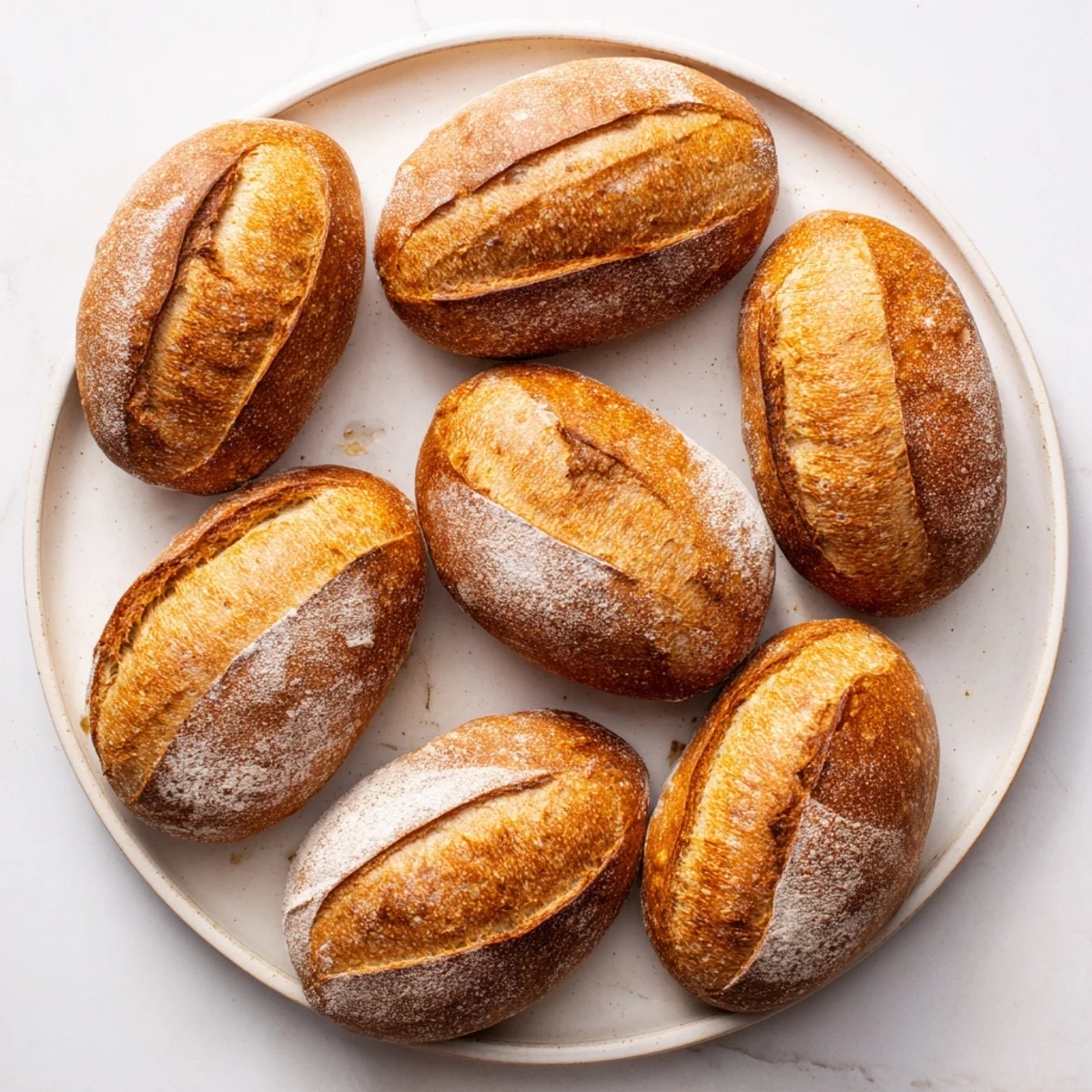
 There is something deeply satisfying about pulling a tray of golden rolls from your own oven. Hope these bring as much warmth to your kitchen as they have to mine.
Common Questions
- → Why do you put water in the oven when baking bread?
-
Creating steam in the oven during the first minutes of baking helps develop a crispy, crackly crust. The steam keeps the surface of the dough flexible longer, allowing the rolls to expand fully before the crust sets. This results in that signature professional bakery texture with a thin, crispy exterior and soft interior.
- → Can I make these rolls ahead of time?
-
Yes, you can prepare the dough and let it complete its first rise, then refrigerate it overnight. The next day, shape the rolls and let them rise at room temperature before baking. Alternatively, bake the rolls completely, cool them, and freeze for up to 3 months. Reheat in a 350°F oven for 10 minutes to refresh the crust.
- → How do I know when the rolls are fully baked?
-
Fully baked rolls should be deeply golden brown on top and bottom. Tap the bottom of a roll - it should sound hollow when done. The internal temperature should reach 200°F (93°C) when measured with an instant-read thermometer. If they're getting too dark but not done inside, tent loosely with foil for the last few minutes.
- → What makes bread crusty vs soft?
-
Crusty bread develops from high initial heat, steam in the oven, and low hydration dough that forms a hard outer shell. Soft bread typically has higher hydration, fat added to the dough, and is baked at lower temperatures without steam. For these French rolls, the steam method creates the signature crusty exterior that French bread is known for.
- → Can I use all-purpose flour instead of bread flour?
-
You can substitute all-purpose flour, though the texture will be slightly softer and less chewy. Bread flour has higher protein content which develops more gluten, creating the characteristic chew and structure of French bread. If using all-purpose flour, you may need to reduce the water slightly as it absorbs less liquid than bread flour.
- → Why do you slash the tops of bread rolls?
-
Slashing the dough with a sharp knife creates a weak point where the dough can expand during baking. This controlled expansion helps the rolls rise evenly and develop an attractive appearance. The slashes also increase the surface area for crust formation, enhancing that crispy texture. Use a very sharp knife or razor blade for clean cuts.