
 Save to Pinterest
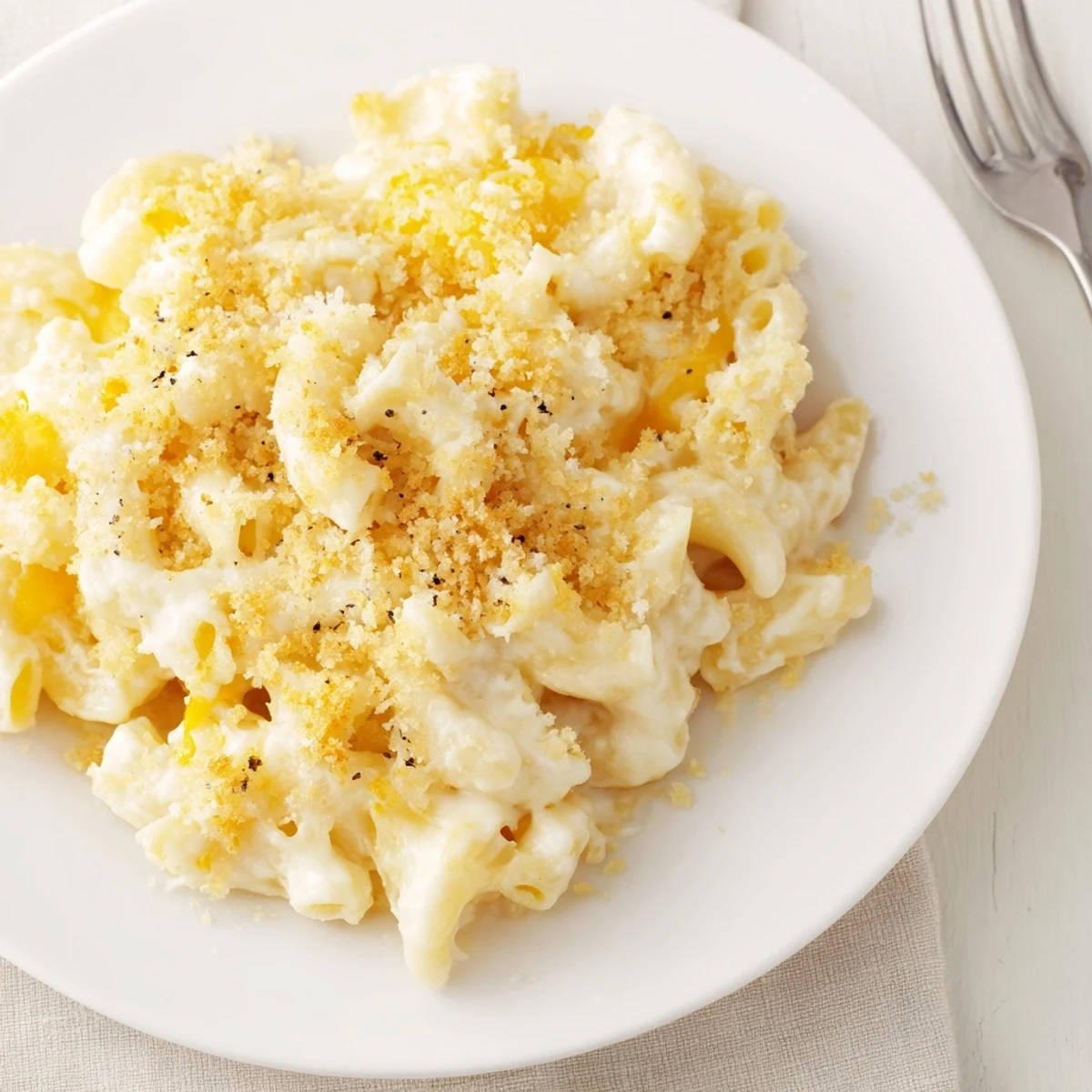
 This creamy mac and cheese combines al dente elbow pasta with a simple roux-thickened milk sauce loaded with sharp and mild cheddar. Stir the pasta into the cheese sauce, season with Dijon, and finish hot; optionally top with buttery breadcrumbs and bake until golden. Variations include bacon, sautéed onions, or Gruyère for depth. Use gluten-free pasta and flour for an allergen-friendly swap.
The exhaust fan above my stove gave out one Tuesday night while I was whisking a roux for mac and cheese, and the whole kitchen filled with a warm haze that smelled like toasted butter and possibility.
My roommate walked in, coughed through the smoke, and said it smelled like a diner in heaven.
Ingredients
- Elbow macaroni (300 g): The classic shape holds sauce in those little curves better than anything else I have tried.
- Whole milk (2 cups): Please use whole milk here, skim will leave you with a thin sauce that breaks.
- Unsalted butter (2 tbsp): Unsalted lets you control the seasoning from the ground up.
- All purpose flour (2 tbsp): This is your thickening backbone, measure it carefully.
- Sharp cheddar cheese (1 cup, grated): Sharp cheddar gives you that tangy punch that makes people close their eyes on the first bite.
- Mild cheddar cheese (1 cup, grated): Mild cheddar brings creamy meltability and rounds out the sharp.
- Dijon mustard (1/2 tsp): A tiny amount makes the cheese taste more like cheese without anyone knowing why.
- Salt and black pepper: Season gradually and taste as you go.
- Breadcrumbs (1/4 cup, optional): For that golden crunch on top that makes everyone fight over the corner pieces.
- Melted butter (1 tbsp, optional): Tossed with breadcrumbs for a topping that actually crisps.
- Parmesan cheese (2 tbsp, grated, optional): Adds a savory nutty edge to the breadcrumb crust.
Instructions
- Get the oven ready:
- If you are going for the baked version, heat your oven to 180 degrees Celsius now so it is waiting for you.
- Cook the pasta:
- Boil the macaroni in well salted water until just al dente, it should still have a slight bite since it will soak up sauce later.
- Build the roux:
- Melt the butter in a saucepan over medium heat, then whisk in the flour and stir constantly for one full minute until it smells nutty and looks pale golden.
- Make it saucy:
- Pour in the milk slowly while whisking so no lumps form, then let it simmer gently until it coats the back of a spoon, about four to five minutes.
- Cheese time:
- Kill the heat and stir in both cheeses and the Dijon mustard, watching everything melt into a smooth golden pool before seasoning with salt and pepper.
- Bring it together:
- Fold the drained pasta into the sauce, making sure every noodle is coated, and at this point you could eat it straight from the pot and nobody would judge you.
- Bake if you want crunch:
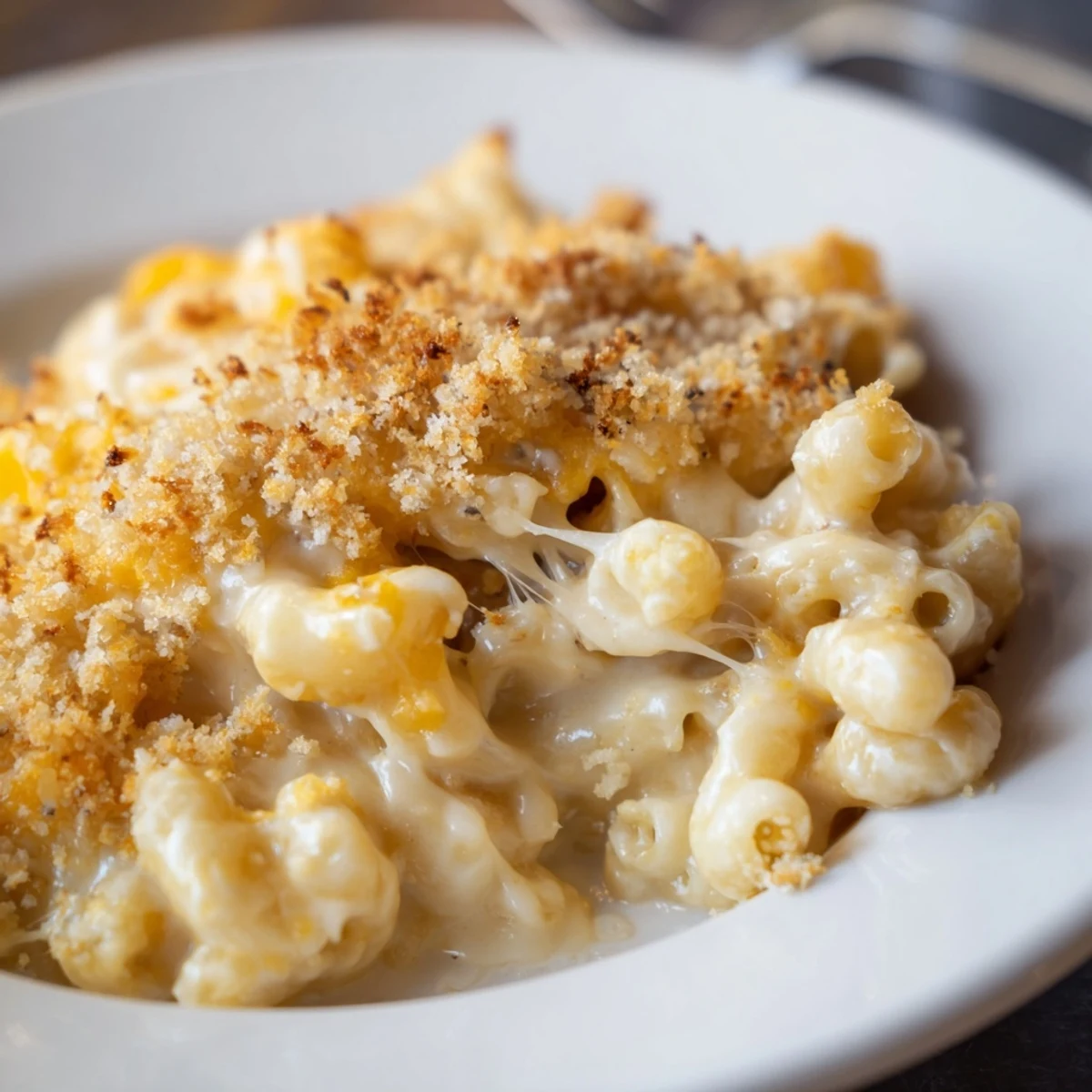
- Spread the mixture into a greased dish, scatter the buttery breadcrumb parmesan mixture on top, and bake for fifteen to twenty minutes until the edges bubble and the top is deeply golden.
 Save to Pinterest
 We stood over that baking dish with two forks, no plates, eating straight from the corners while the broken fan clicked uselessly overhead.
Tools That Actually Matter
A heavy bottomed saucepan makes all the difference for a roux that does not scorch, and a decent whisk saves your arm from fighting lumps.
Making It Your Own
Try folding in crispy bacon bits or a handful of caramelized onions when you combine the pasta and sauce for a version that tastes like it took twice the effort.
Getting It On The Table
This comes together fast enough for a weeknight but feels special enough for company, and leftovers reheat beautifully with a splash of milk.
- Start your pasta water before anything else so nothing sits waiting.
- Taste the cheese sauce for salt before mixing in the pasta because the noodles dilute it slightly.
- Serve it immediately because the texture is best when it is still bubbling and yielding.
 Save to Pinterest
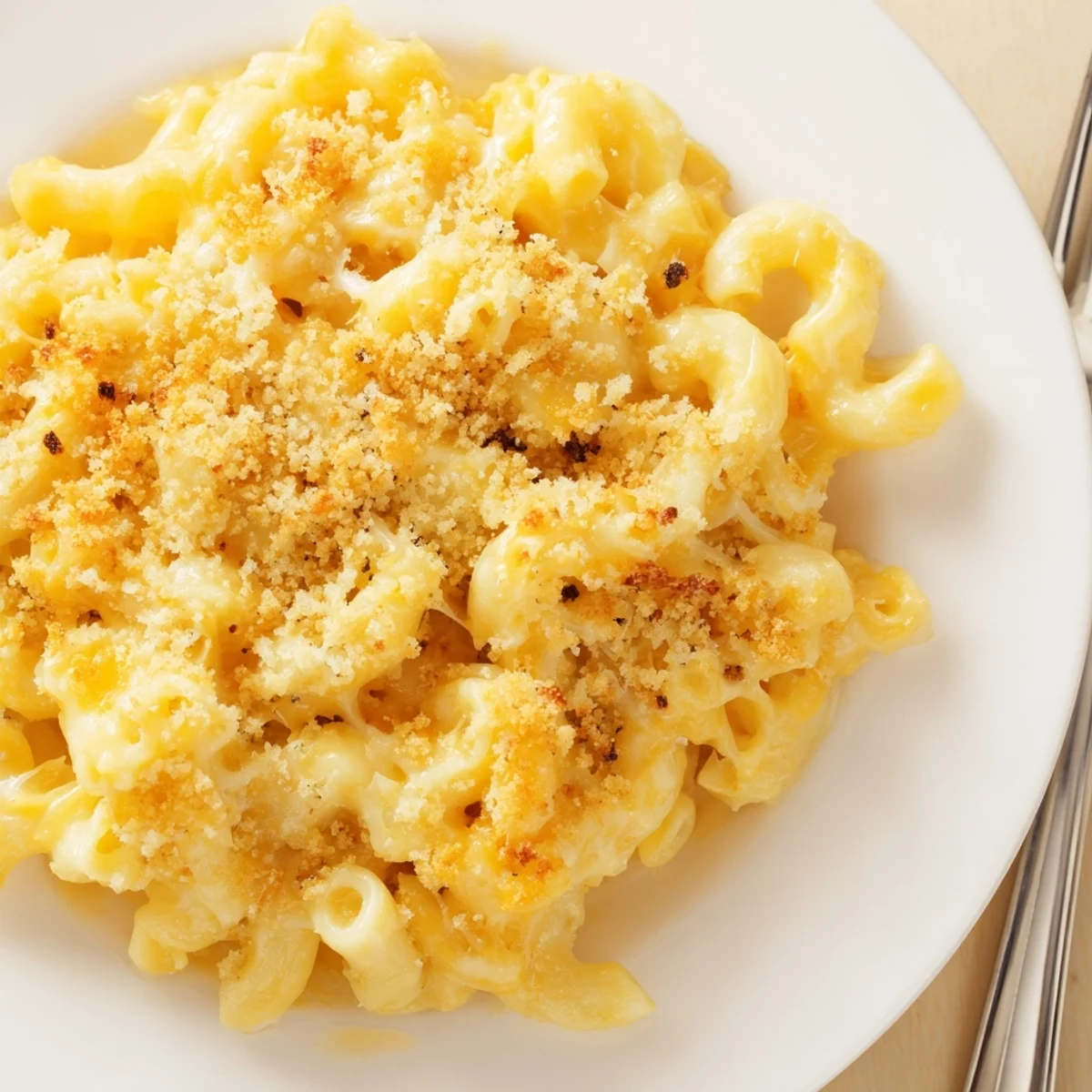
 Some nights only a pot of mac and cheese will do, and this one earns its place every single time.
Common Questions
- → How do I prevent a grainy cheese sauce?
-
Low and slow melting is key: remove the pan from high heat before adding cheese and stir gently until smooth. Use freshly grated cheese for better melting and avoid pre-shredded blends that contain anti-caking agents.
- → Can I swap cheeses for different flavors?
-
Yes. Sharp cheddar gives bite, while mild cheddar smooths texture. Add Gruyère or Monterey Jack for nuttier, creamier notes. Mix cheeses for balance rather than relying on a single variety.
- → Should I bake it or serve it stovetop?
-
Both work. Stovetop yields a creamier finish served immediately; baking with a breadcrumb topping creates a crisp, golden crust and is great for holding and serving to a crowd.
- → How can I make it gluten-free?
-
Use gluten-free pasta and replace all-purpose flour in the roux with a gluten-free flour blend or cornstarch slurry (whisked into milk) to thicken the sauce.
- → What adds the best flavor boost?
-
Stirring in a little Dijon mustard and seasoning with salt and black pepper brightens the cheese. Mix-ins like cooked bacon, sautéed onions, or a dash of hot sauce add savory depth.
- → How do I reheat leftovers without drying them out?
-
Gently reheat on the stovetop over low heat with a splash of milk, stirring until creamy. For oven reheating, cover with foil and bake at a low temperature until warmed through to retain moisture.