
 Save to Pinterest
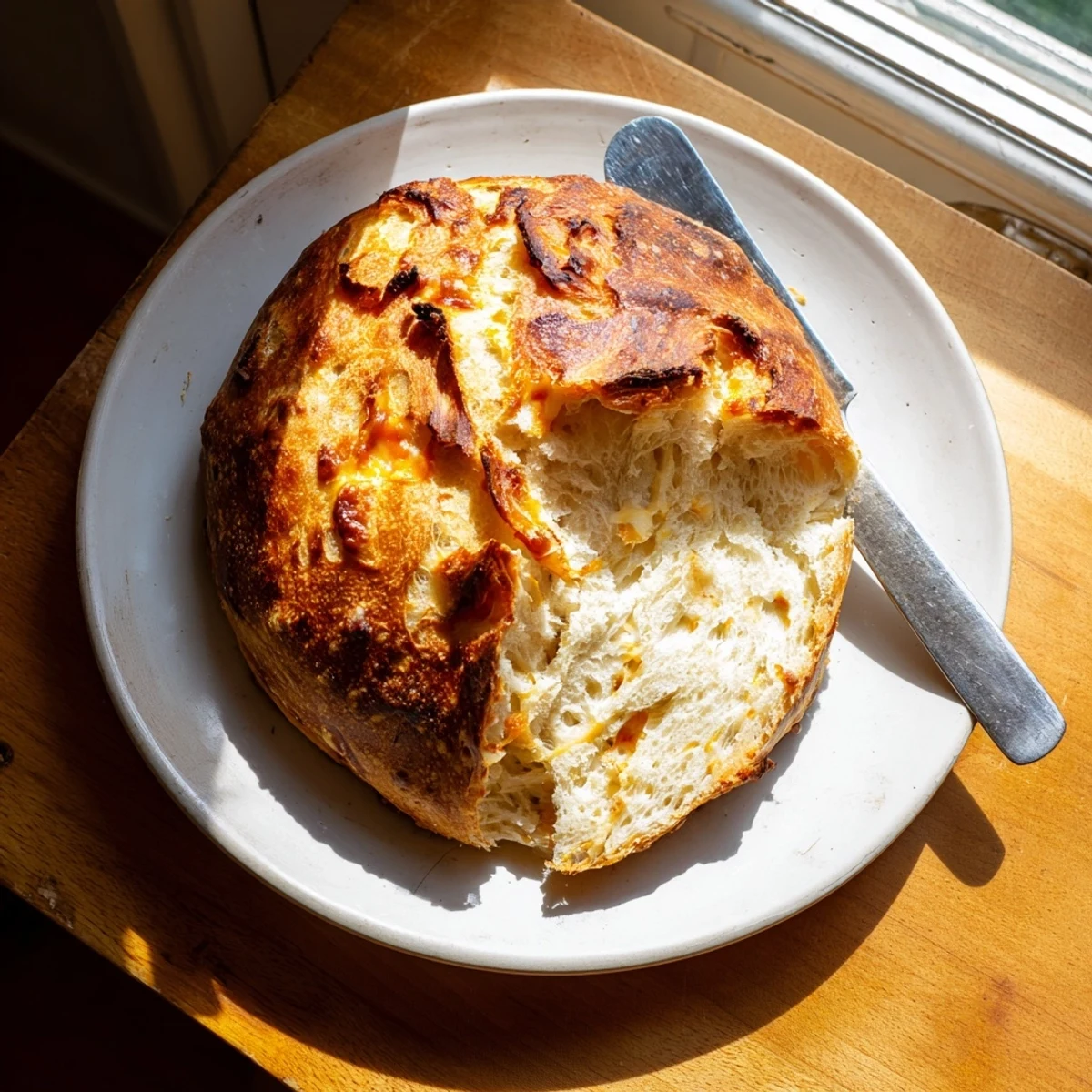
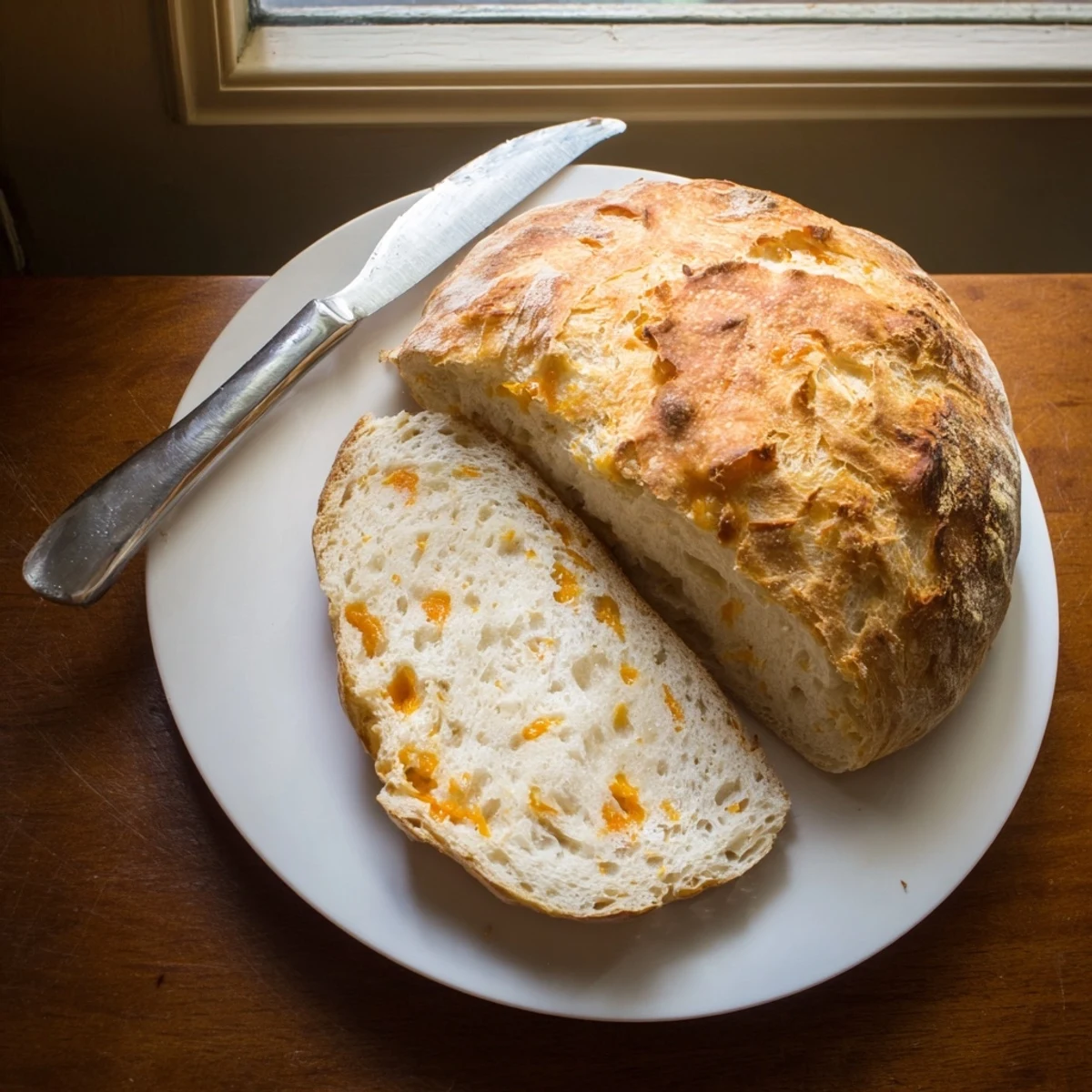
 This easy cheddar bread delivers artisan-style results with minimal effort. The dough comes together in just 10 minutes, requiring only a wooden spoon and bowl. After a simple 2-hour rise, bake in a hot Dutch oven for a crispy, golden crust that encases tender, cheese-filled crumb. The sharp cheddar creates savory depth throughout each slice, while the no-knead method ensures foolproof success for bakers of any skill level.
The smell of melting cheddar and baking bread still takes me back to that tiny apartment kitchen where I first discovered the magic of no-knead bread. I was skeptical about a recipe that claimed to deliver bakery results without getting my hands doughy, but watching that shaggy mess transform into a gorgeous golden loaf felt like witnessing a small miracle. My roommate wandered in from her room, drawn by the incredible aroma, and we ended up eating half the loaf standing right there at the counter.
Last winter, during that terrible week when everyone in our house came down with the flu at once, this bread became our comfort food lifeline. I was too exhausted to attempt anything complicated, but mixing up a simple bowl of dough felt manageable. When it emerged from the oven, bubbling with melted cheese and smelling like heaven, my partner actually sat up in bed for the first time in days just to ask what I was making. We ate slice after warm slice with butter, and I am convinced those cheesy carbs helped nurse us back to health.
Ingredients
- 3 cups all purpose flour: The foundation of your bread, providing structure and that perfect crumb texture
- 1½ teaspoons salt: Enhances the cheddar flavor and balances the dough
- ½ teaspoon instant dry yeast: Works quietly during those 2 hours of rising time
- 1½ cups grated sharp cheddar cheese: Sharp cheddar gives the most pronounced cheesy flavor throughout every bite
- 1¼ cups warm water: Should feel pleasantly warm to the touch, not hot enough to kill the yeast
Instructions
- Mix the dry base:
- Whisk together the flour, salt, and yeast in a large bowl until well combined
- Add the cheese:
- Stir in the grated cheddar until it is evenly distributed throughout the flour mixture
- Bring it together:
- Pour in the warm water and mix with a wooden spoon until you have a shaggy, sticky dough
- Let it rise:
- Cover tightly and let rest at room temperature for 2 hours until doubled and bubbly
- Preheat strategically:
- Heat your oven to 450°F with a Dutch oven inside to get it screaming hot
- Shape gently:
- Turn dough onto a floured surface and form a rough round without overworking
- Transfer carefully:
- Place dough in the hot Dutch oven using parchment paper for easy handling
- Bake covered:
- Cook with the lid on for 30 minutes to create steam for a crispy crust
- Finish uncovered:
- Bake another 10 to 15 minutes until deeply golden and irresistibly fragrant
- Patience pays off:
- Cool for at least 20 minutes so the interior sets properly
 Save to Pinterest
 My father in law, who has been baking bread for forty years, watched me make this once with a mixture of fascination and doubt. When I pulled that Dutch oven lid off and revealed the most beautiful golden loaf he had ever seen, he actually asked for the recipe. There is something deeply satisfying about winning over an experienced cook with a method that is practically foolproof.
Cheese Selection Secrets
After testing this recipe with countless cheese varieties, I have learned that sharp cheddar provides the most consistent flavor that shines through even after baking. Mild cheeses tend to disappear into the bread, while extra sharp can sometimes separate during baking. Block cheese that you grate yourself melts more evenly than pre shredded bags coated in anti caking agents.
Timing Your Bake
The two hour rise window is wonderfully flexible because this dough is quite forgiving. I have let it go for three hours when life got in the way, and it still produced fantastic results. The key is planning your bake around when you actually want to eat warm bread, since that first hour of cooling time feels like absolute torture once you smell it baking.
Serving Ideas
This bread makes the most incredible grilled cheese you will ever taste, using two different cheeses for maximum impact. It also pairs beautifully with tomato soup for a classic combination that never gets old. Toasted slices topped with a poached egg elevate this from humble bread to brunch worthy status.
- Try crumbling leftovers into bread pudding for a savory twist
- Cubes make exceptional croutons for hearty winter salads
- Stale slices transform into the most flavorful bread crumbs
 Save to Pinterest
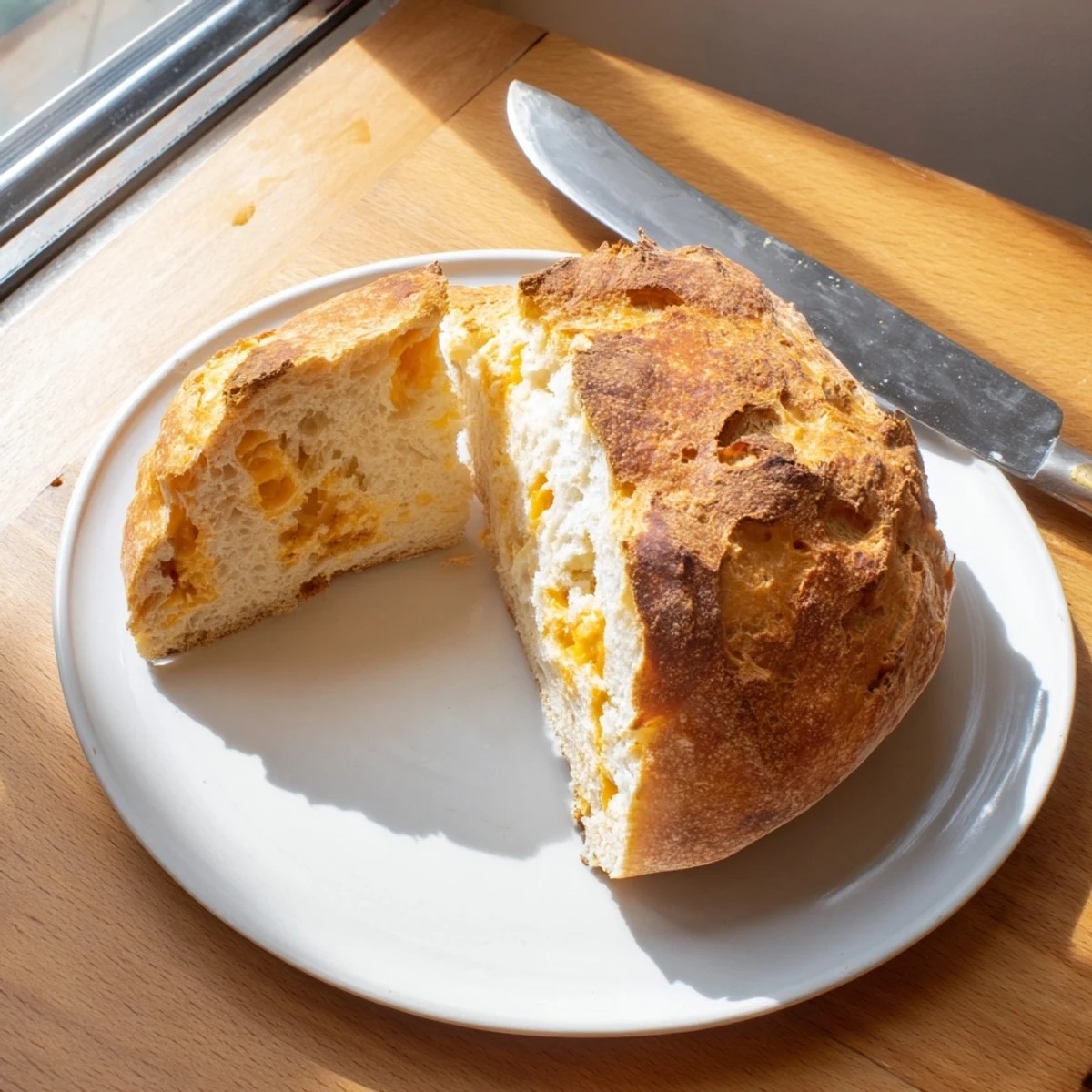
 There is something profoundly satisfying about serving homemade bread to people you love, especially when the recipe is this approachable. The look on someone is face when they break through that crust and hit a pocket of melted cheddar is absolutely worth every minute of waiting.
Common Questions
- → Do I need any special equipment to make this cheddar bread?
-
A Dutch oven or heavy lidded pot creates the best crust, but you can use any oven-safe baking dish with a tight-fitting cover. The trapped steam ensures a crispy exterior and tender interior.
- → Can I use pre-shredded cheese instead of grating my own?
-
Freshly grated cheese melts and distributes better than pre-shredded varieties, which contain anti-caking agents. For the best texture and flavor, grate blocks of sharp cheddar yourself.
- → How do I know when the bread is fully baked?
-
The crust should be deep golden brown and sound hollow when tapped on the bottom. An instant thermometer inserted into the center should read 190-200°F for doneness.
- → Can I add other ingredients like herbs or garlic?
-
Absolutely. Mix in garlic powder, chopped chives, rosemary, or thyme with the dry ingredients. You can also swap cheddar for Gruyère, pepper jack, or a blend of your favorite cheeses.
- → How should I store the baked loaf?
-
Wrap completely cooled bread in plastic or store in an airtight container at room temperature for up to 3 days. For longer storage, slice and freeze in freezer bags for up to 3 months.
- → Why is the dough so sticky and shaggy?
-
The sticky, shaggy texture is normal for no-knead dough. High hydration creates steam during baking, resulting in an open, airy crumb. Avoid adding extra flour or overworking the dough.