
 Save to Pinterest
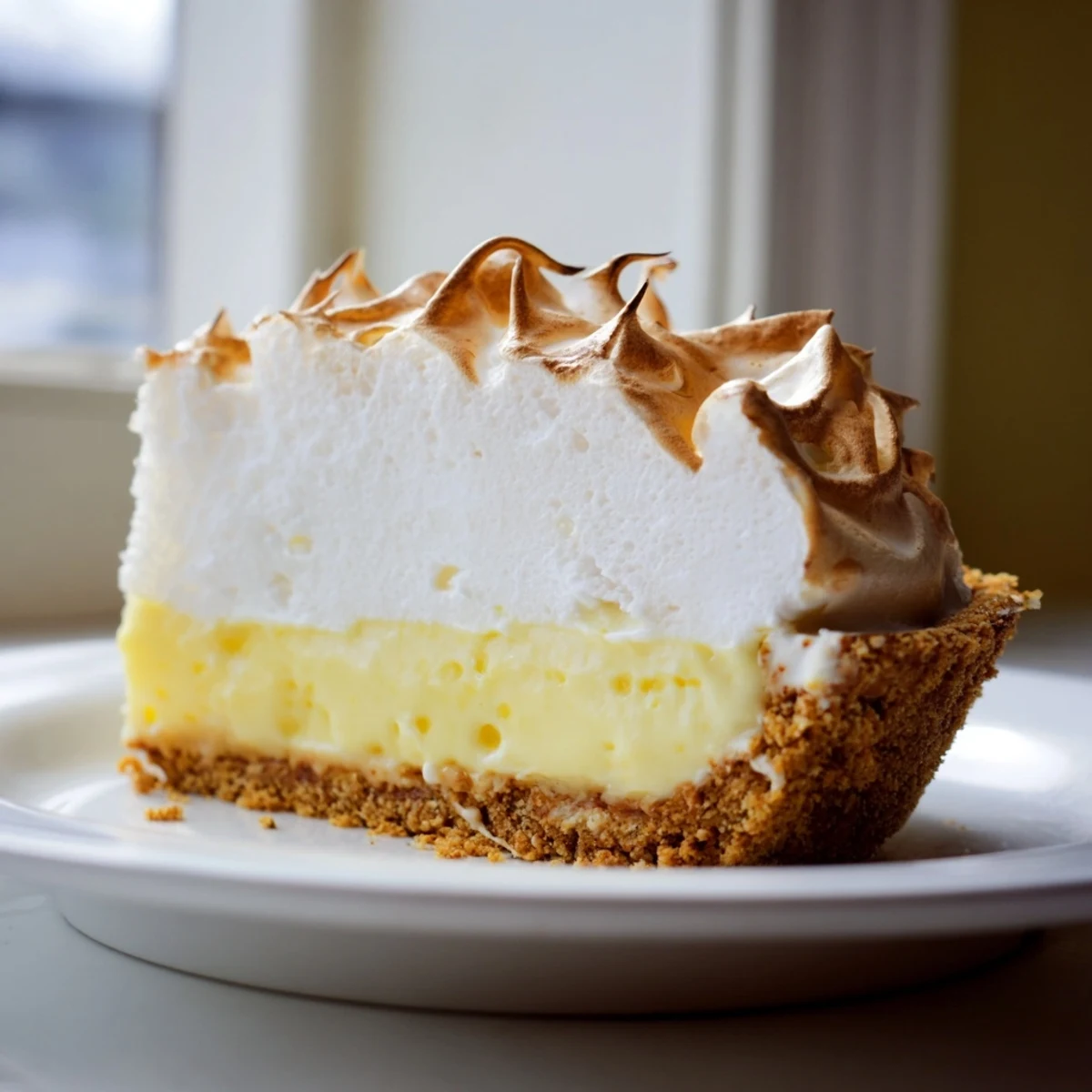
 This classic American lemon pie features a buttery graham cracker crust filled with a silky, tangy lemon custard made from fresh lemon juice, zest, and egg yolks.
The filling is cooked on the stovetop with sugar and cornstarch until thick and glossy, then poured into the baked crust. An optional meringue topping, whipped to stiff peaks and baked until golden brown, adds a light, sweet contrast to the sharp citrus.
Plan ahead for chilling time — the pie needs at least one hour in the refrigerator to set properly before slicing and serving.
The smell of lemons will always remind me of my grandmothers kitchen in July, where a fan hummed in the window and the whole house felt drowsy with heat. She squeezed lemons by hand, never measuring, and somehow the pie always tasted the same: sharp, sweet, and impossible to stop eating. I burned my first filling because I walked away to answer the phone, a mistake I have never repeated. That scorched pot taught me more about patience than any cookbook ever could.
One Easter I brought this pie to a potluck and watched three cousins argue over the last slice while the lemon sunset glowed through the kitchen window. My aunt pulled me aside and whispered that it was better than hers, which from her was practically a medal of honor. I have been making it for every family gathering since.
Ingredients
- Graham cracker crumbs (1 1/2 cups or 180 g): The slightly spiced sweetness of graham crackers makes a crust that holds together without fighting the filling. Smash them finely for the most even base.
- Granulated sugar for crust (1/4 cup or 50 g): Just enough to sweeten the base without making it candy sweet. It helps the crust caramelize slightly during baking.
- Unsalted butter, melted (1/2 cup or 115 g): This is the glue that binds your crumbs together. Use real butter here because you will taste the difference.
- Granulated sugar for filling (1 cup or 200 g): Balances the aggressive tartness of fresh lemon juice into something you actually want to eat with a fork.
- Cornstarch (1/4 cup or 35 g): This is what transforms a thin lemon soup into a velvety filling that slices cleanly. Whisk it thoroughly to avoid any chalky lumps.
- Salt (1/8 tsp): A tiny pinch wakes up every other flavor in the filling. Never skip salt in a dessert.
- Water (1 cup or 240 ml): Gives the cornstarch and sugar a medium to dissolve into before the lemon takes over.
- Freshly squeezed lemon juice (1/2 cup or 120 ml, about 3 to 4 lemons): The soul of this pie. Bottled juice tastes flat and metallic by comparison, so squeeze your own.
- Grated lemon zest (2 tsp): The zest holds aromatic oils that juice alone cannot provide. Use a microplane and zest only the yellow skin, never the bitter white pith beneath.
- Large egg yolks (3): Yolks give the filling its rich color and a custardy body that feels luxurious on the tongue.
- Unsalted butter, softened (2 tbsp or 30 g): Stirred in at the end for a glossy, velvety finish. It also rounds off the sharp edges of the acid.
- Large egg whites (3, optional for meringue): Whipped into a cloud that browns beautifully in the oven and melts into the hot filling below.
- Cream of tartar (1/4 tsp, optional for meringue): Stabilizes the egg whites so your meringue holds its dramatic peaks instead of weeping and collapsing.
- Granulated sugar for meringue (1/2 cup or 100 g, optional): Added gradually to create a glossy, marshmallow textured topping that toasts evenly.
Instructions
- Build the crust:
- Preheat your oven to 350 degrees Fahrenheit. Toss graham cracker crumbs, sugar, and melted butter together until the mixture feels like damp sand. Press it firmly and evenly into a 9 inch pie pan, going up the sides, then bake for 8 to 10 minutes until lightly golden and fragrant. Let it cool while you work on the filling.
- Cook the lemon filling:
- In a medium saucepan, whisk sugar, cornstarch, and salt together. Pour in water, fresh lemon juice, and zest. Set the pan over medium heat and whisk constantly for 6 to 8 minutes until the mixture thickens and begins to bubble. You will feel it change consistency under your whisk.
- Temper the egg yolks:
- In a small bowl, whisk the egg yolks lightly. Spoon a small amount of the hot lemon mixture into the yolks while whisking furiously so they warm gently without scrambling. Pour the tempered yolks back into the saucepan and cook for 2 more minutes, stirring without stopping. Remove from heat and stir in the softened butter until the filling is smooth and gleaming.
- Fill the pie:
- Pour the hot filling directly into the cooled crust. Spread it evenly with a spatula. If you are skipping the meringue, move straight to cooling.
- Whip and pipe the meringue (optional):
- In a spotlessly clean bowl, beat egg whites and cream of tartar until soft peaks form. Add sugar gradually while beating until you reach stiff, glossy peaks. Pile the meringue over the hot filling, spreading it to seal the edges completely. The heat underneath helps cook the bottom of the meringue.
- Bake and chill:
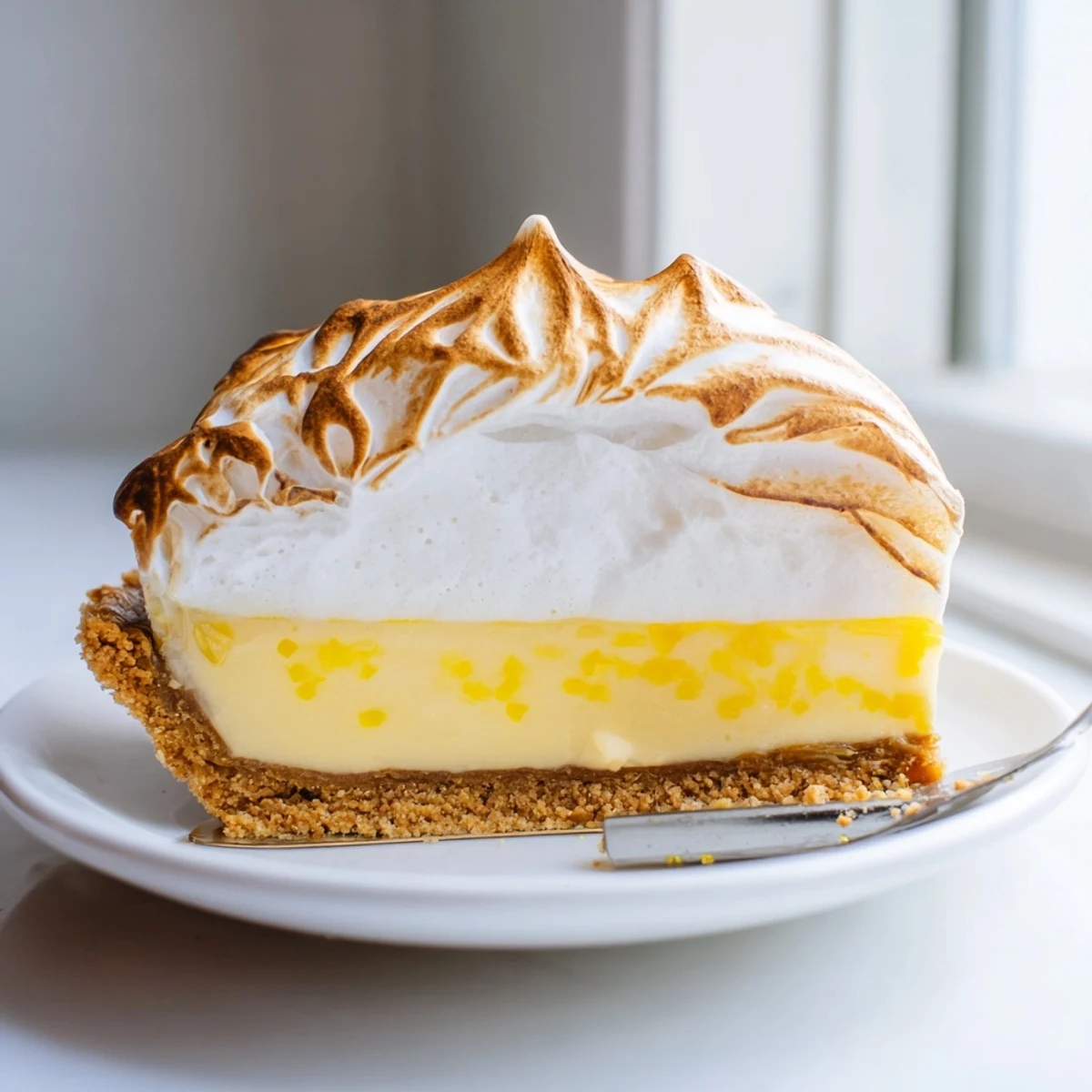
- Bake the assembled pie for about 15 minutes until the meringue peaks turn a lovely golden brown. Cool at room temperature for 1 hour, then refrigerate for at least 1 hour more before slicing so the filling can set properly.
 Save to Pinterest
 The first time I got the filling perfectly thick, I stood over the stove and laughed out loud because the texture was exactly like my grandmothers, silky and bright. It felt like inheriting something that could not be written down, only learned through the wrist.
Storing Your Leftover Pie
Cover the pie loosely with plastic wrap and keep it in the refrigerator for up to three days. After that the crust softens and the meringue, if you made it, starts to weep and separate. I have never actually had leftovers last that long because someone always finds it in the fridge overnight.
Serving Suggestions
A thin slice of this pie after a heavy meal is ideal because the acid cuts through richness like a palate cleanser. Serve it cold with a cup of black coffee or hot tea and nothing else. If you want to dress it up, a few curls of lemon zest on each plate make it look like it came from a bakery.
Common Pitfalls and Quick Fixes
Most problems with this pie come down to heat management, either too high or too impatient. The filling needs medium heat and your full attention, while the meringue needs a bowl so clean you could drink from it. Small mistakes are fixable but prevention is always easier than rescue.
- If your filling is lumpy, strain it through a fine mesh sieve before pouring it into the crust.
- If the meringue weeps, you likely added sugar too fast or underbeat the whites.
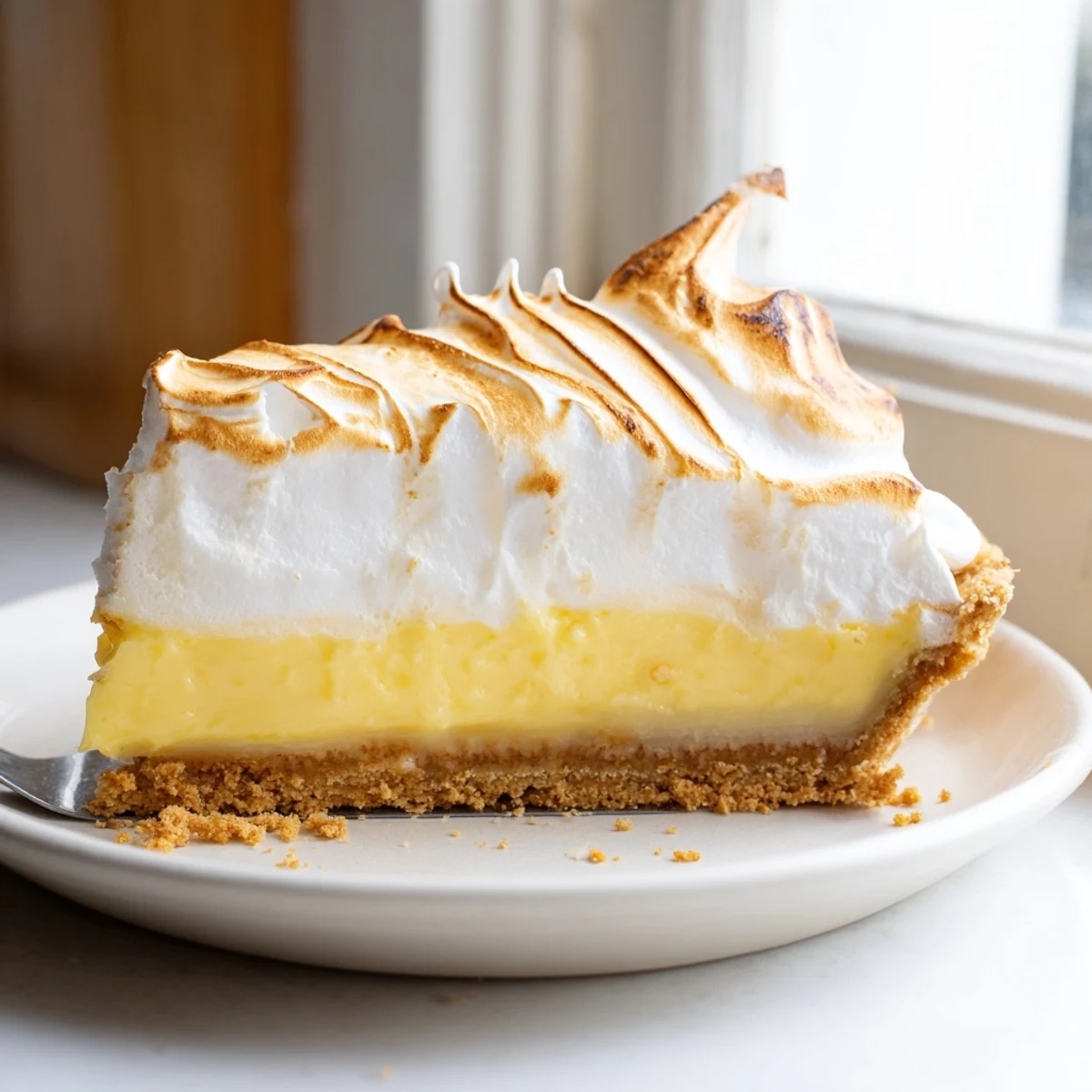
- Always chill the pie completely before slicing so each piece holds its shape.
 Save to Pinterest
 This pie is a small act of sunshine that you can carry into any season, any kitchen, any gathering. Share it generously and watch peoples faces change after the first bite.
Common Questions
- → Can I use bottled lemon juice instead of fresh?
-
Freshly squeezed lemon juice delivers a brighter, more natural flavor. Bottled juice works in a pinch but tends to taste slightly flat and lacks the aromatic oils found in fresh zest.
- → Why does my lemon filling have lumps?
-
Lumps usually form when the cornstarch isn't fully whisked into the sugar before adding liquid, or when the heat is too high. Always whisk constantly over medium heat and temper the egg yolks gradually with a spoonful of hot mixture before combining.
- → How do I know when the lemon filling is thick enough?
-
The filling is ready when it comes to a gentle bubble and coats the back of a spoon. It should take about 6 to 8 minutes of constant whisking over medium heat to reach this consistency.
- → Can I skip the meringue topping?
-
Absolutely. The pie is delicious on its own with just the lemon filling and crust. You can also top it with whipped cream after chilling for a simpler finish.
- → How long should the pie chill before serving?
-
Let the pie cool at room temperature for one hour, then refrigerate for at least one additional hour. For the cleanest slices, chill for two hours or even overnight.
- → Can I make this pie ahead of time?
-
Yes, it holds well in the refrigerator for up to three days. If using meringue, cover loosely and consume within two days to prevent the topping from weeping or deflating.
- → What can I substitute for graham cracker crumbs?
-
A traditional pie crust works as a direct substitute. You can also use crushed digestive biscuits, vanilla wafers, or even crushed pretzels for a salty-sweet twist on the crust.