
 Save to Pinterest
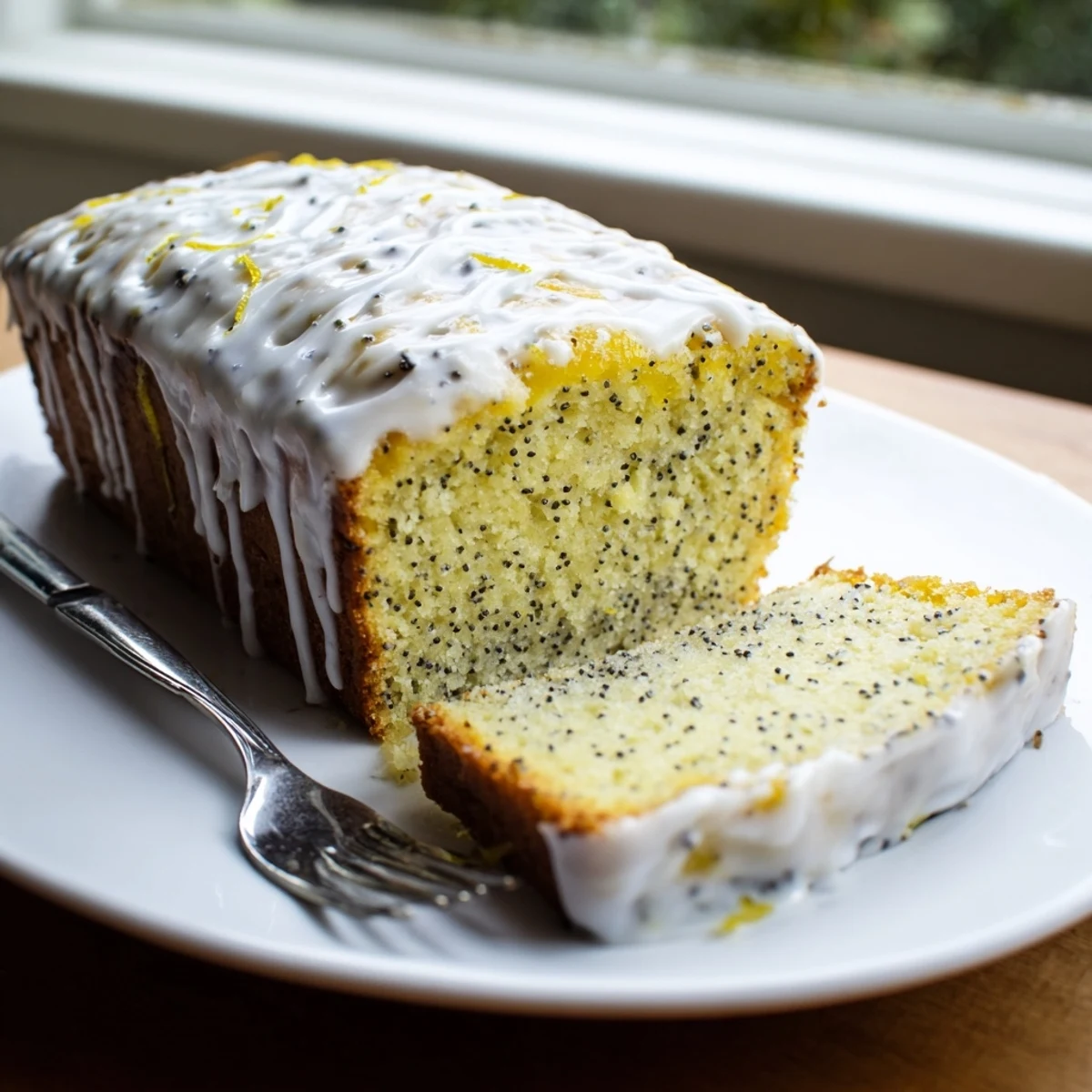
 This bright, citrusy cake features a tender crumb infused with fresh lemon juice and zest, plus the satisfying crunch of poppy seeds throughout. The preparation comes together quickly—just 20 minutes of active work before baking to golden perfection.
A tangy lemon glaze adds the perfect finishing touch, enhancing the natural citrus notes while providing a sweet contrast to the moist cake beneath. The loaf format makes slicing and serving effortless for gatherings.
Consider swapping sour cream for the milk to create an even richer texture, or doubling the lemon zest for those who crave extra brightness. Each serving delivers a balanced sweetness that pairs beautifully with fresh berries and whipped cream.
My kitchen window was open the first time I pulled a lemon poppy seed loaf from the oven, and the neighbor actually stopped mowing his lawn to ask what smelled so good. That citrus scent traveling on a warm breeze convinced me this cake would become a permanent fixture in my spring baking rotation. There is something undeniably cheerful about the way lemon zest and poppy seeds turn a simple loaf into something that feels like sunshine.
I brought this to a potluck once and watched three people hover near the serving table, casually cutting sliver after sliver until half the loaf had vanished before dinner even started. One friend leaned over and whispered that she needed the recipe immediately, which remains the highest compliment I have ever received.
Ingredients
- Unsalted butter (3/4 cup, softened): Room temperature butter creams properly with sugar and creates the tender crumb this cake depends on.
- Granulated sugar (1 cup): Provides sweetness and helps aerate the butter for a lighter texture.
- Large eggs (2): Bind everything together and add richness to the batter.
- Whole milk (1/2 cup): Moisture and fat from whole milk give the loaf a soft, even crumb throughout.
- Fresh lemon juice (1/4 cup plus 2 tbsp for glaze): Bottled juice tastes flat, so squeeze it fresh for that bright, authentic zing.
- Lemon zest (1 tbsp): The oils in the zest carry the most intense lemon flavor, so zest before you juice.
- All-purpose flour (1 1/2 cups): The backbone of the cake, measured by spooning into the cup and leveling off for accuracy.
- Baking powder (1 1/2 tsp): Gives the loaf its gentle rise without making it taste metallic.
- Salt (1/4 tsp): Just enough to sharpen the sweetness and make the citrus pop.
- Poppy seeds (2 tbsp): Those tiny dark specks add a nutty crunch and beautiful speckled appearance.
- Powdered sugar (3/4 cup): Melts into a smooth, glossy glaze that hardens into a delicate sweet crust.
Instructions
- Prepare the oven and pan:
- Heat your oven to 350 degrees F and grease a 9 by 5 inch loaf pan or line it with parchment, letting the paper hang over the sides for easy removal later.
- Cream butter and sugar:
- Beat the softened butter and sugar together in a large bowl until the mixture turns pale yellow and feels light and cloudlike under your spatula.
- Add the eggs:
- Drop in one egg at a time, beating well after each so the batter stays smooth and emulsified rather than looking broken.
- Introduce the wet flavors:
- Pour in the milk, lemon juice, and zest, stirring until combined even though the mixture might look slightly curdled, which is completely normal.
- Combine dry ingredients:
- In a separate bowl, whisk the flour, baking powder, salt, and poppy seeds together so those little seeds are evenly distributed before they meet the wet mixture.
- Marry wet and dry:
- Fold the dry mixture into the wet gently, stopping as soon as no flour streaks remain because overmixing will make the loaf dense and tough.
- Bake the loaf:
- Pour the batter into your prepared pan, smooth the top with a spatula, and bake for 35 to 40 minutes until a toothpick poked into the center comes out clean.
- Cool and glaze:
- Let the cake rest in the pan for 10 minutes, move it to a wire rack, and whisk powdered sugar with lemon juice until smooth before drizzling it generously over the cooled loaf.
 Save to Pinterest
 One rainy afternoon I wrapped a still warm slice in a napkin and handed it to my daughter after school, and she sat on the porch swing eating it in silence while the rain came down around us. She told me it tasted like a rainy day should feel, which made no sense and complete sense at the same time.
Storing Your Loaf
This cake stays wonderfully moist for up to three days when wrapped tightly in plastic wrap and kept at room temperature. If you want to stretch it further, refrigerate it for up to a week, though the texture firms up a bit in the cold.
Fun Variations to Try
Swap the lemon for orange juice and zest for a warmer, mellower citrus loaf that feels right at home during autumn. You can also fold a cup of fresh blueberries into the batter for a fruitier version that turns almost jammy as it bakes.
Getting the Glaze Right
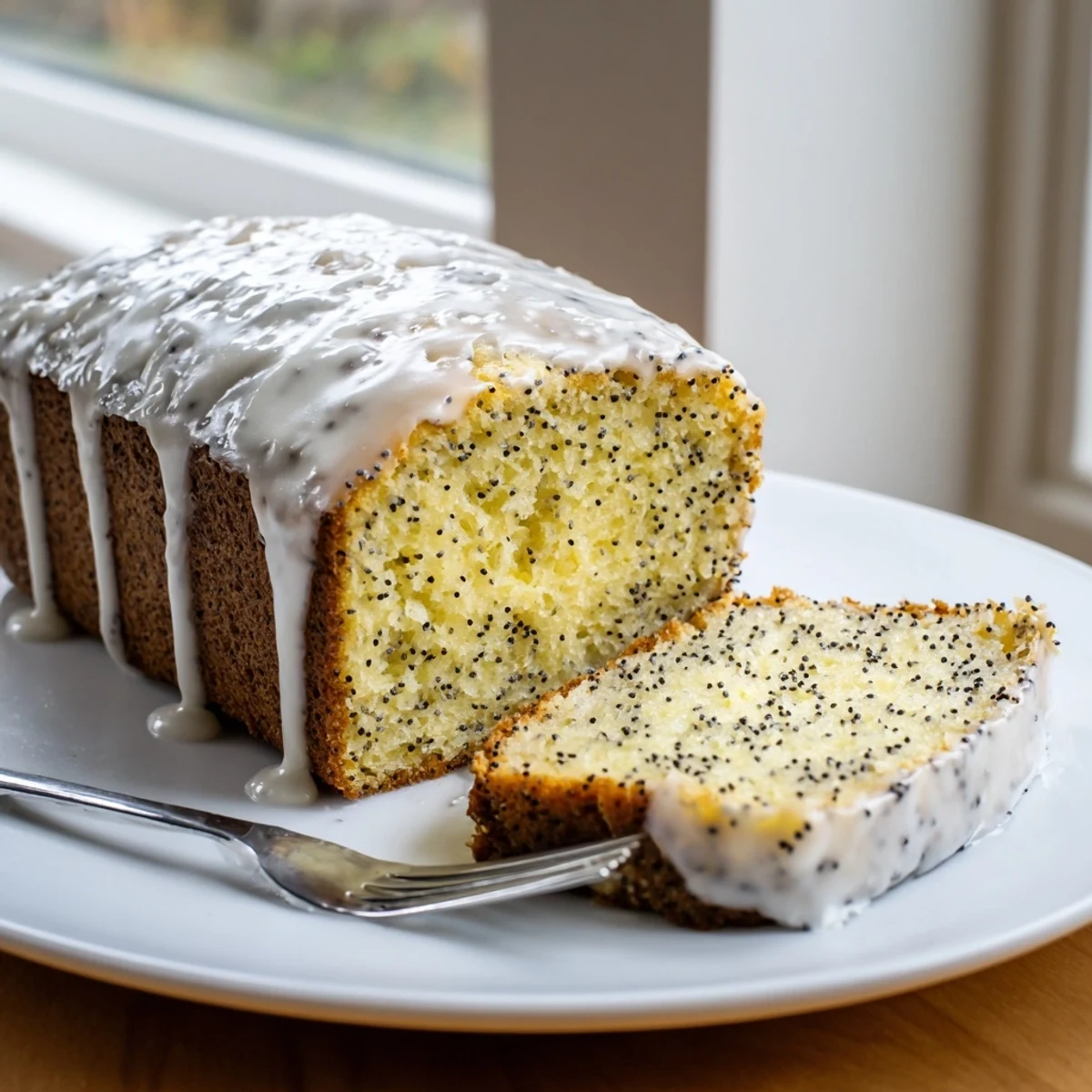
The glaze should be thick but pourable, similar to honey, so it coats the cake without running straight off the edges. Adjust by adding powdered sugar by the tablespoon if it is too thin or a few drops of lemon juice if it is too thick.
- Always place a sheet of parchment under the wire rack before glazing to catch drips and save your counter.
- A spoon works fine for drizzling but a squeeze bottle gives you more control over pretty zigzag patterns.
- Let the glaze set for at least 20 minutes before slicing so it forms a delicate shell that does not smear.
 Save to Pinterest
 Keep this recipe close because someone will always ask for it, and handing over a slice with the recipe written on a card is one of the kindest gestures a baker can offer.
Common Questions
- → How should I store this cake?
-
Keep the glazed cake in an airtight container at room temperature for up to 3 days. For longer storage, refrigerate for up to a week, though bringing it to room temperature before serving restores the ideal texture.
- → Can I freeze this lemon loaf?
-
Absolutely. Wrap the unglazed cake tightly in plastic wrap and aluminum foil, then freeze for up to 3 months. Thaw overnight at room temperature and add the glaze just before serving for the freshest appearance.
- → Why did my batter look curdled when I added the lemon juice?
-
This is completely normal. The acid in lemon juice can cause dairy to curdle slightly, but it won't affect the final texture. Once combined with the dry ingredients and baked, the crumb will be perfectly smooth and tender.
- → Can I make this as cupcakes instead?
-
Yes, the batter works wonderfully in cupcake form. Fill liners about two-thirds full and reduce baking time to 18–22 minutes. You'll end up with approximately 18–20 cupcakes, perfect for individual portions.
- → What's the best way to get the most lemon flavor?
-
Focus on the zest—it contains the essential oils with the most intense citrus aroma. Zest your lemons before juicing them, and consider using a microplane to finely grate just the outer yellow layer without the bitter white pith underneath.
- → Can I use olive oil instead of butter?
-
While the texture will be slightly denser, extra light olive oil can replace butter in equal amounts. The cake will remain moist, though the buttery richness that balances the tart lemon will be somewhat diminished.