
 Save to Pinterest
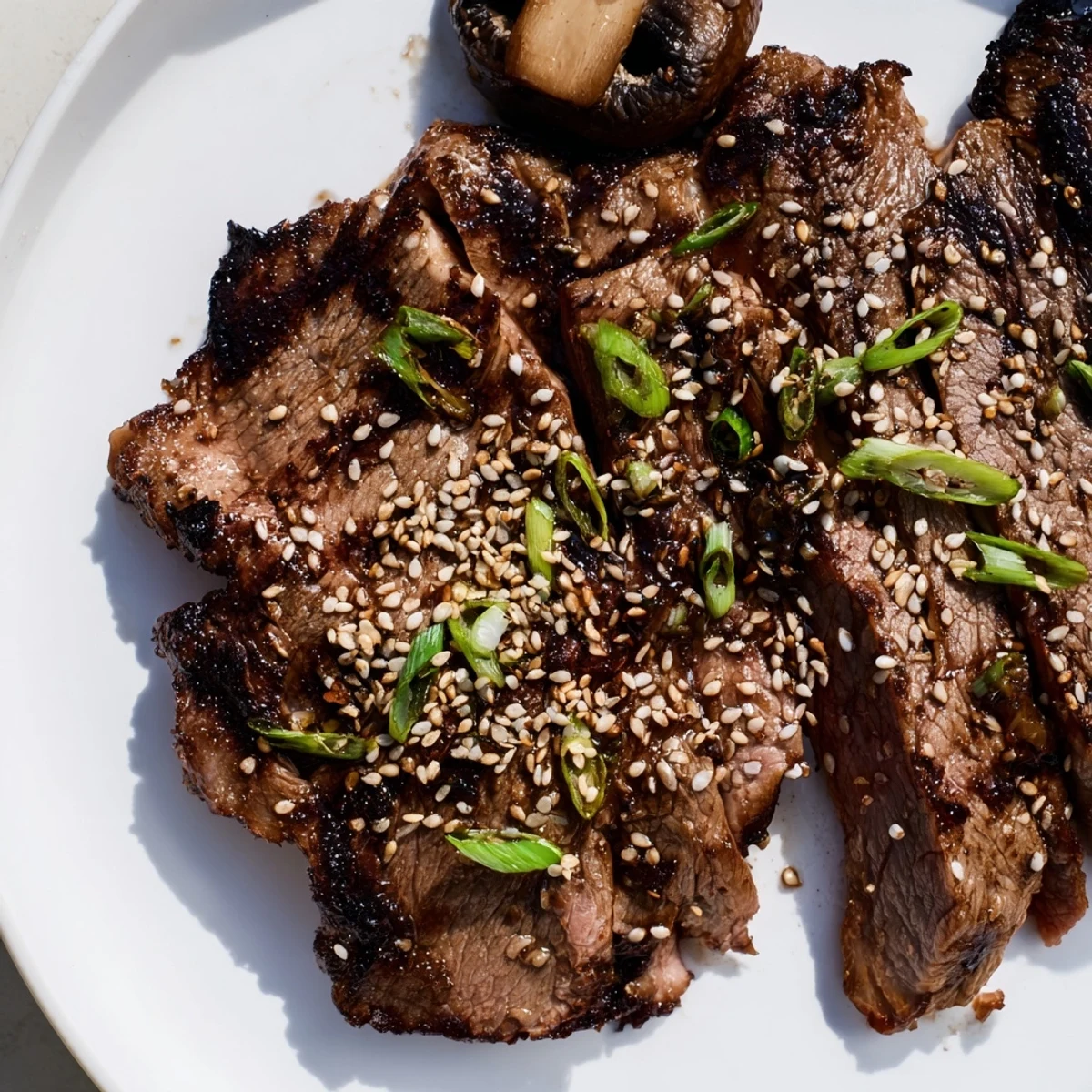
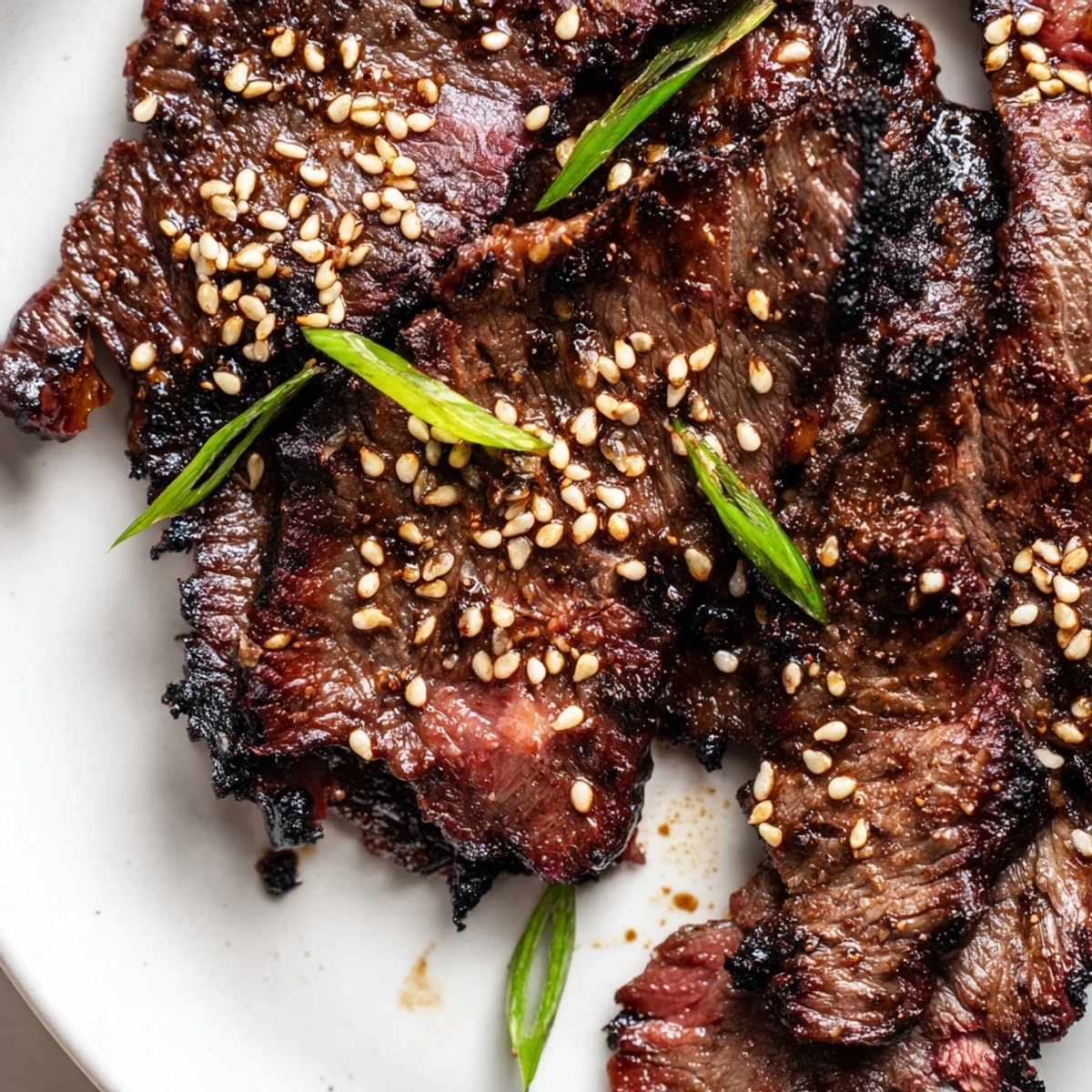
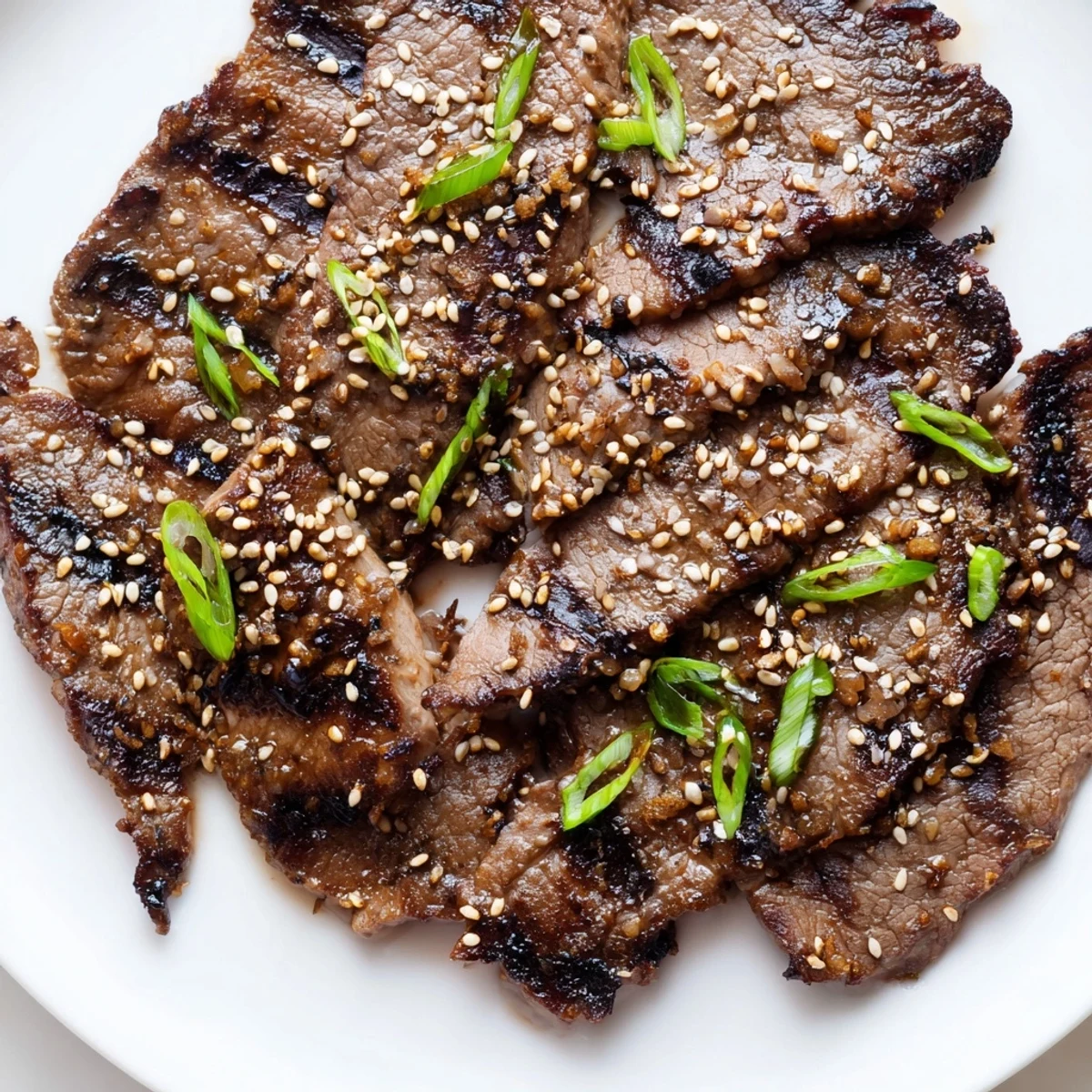
 Thinly sliced ribeye or sirloin beef marinated in a classic Japanese sauce featuring soy sauce, mirin, sake, sesame oil, garlic, and ginger. The meat cooks quickly over high heat, developing a delicious caramelized exterior while remaining tender inside. Serve alongside grilled vegetables like onions, bell peppers, shiitake mushrooms, and zucchini with steamed white rice for a complete meal. Perfect for gatherings or weeknight dinners, ready in just 25 minutes from start to finish.
The first time I had yakiniku was at this tiny, smoky spot in Tokyo where the grill was built right into the table. My Japanese friend kept handing me sizzling pieces of beef straight from the wire mesh, and I couldn't believe how something so simple could taste that extraordinary. When I got home, I spent weeks trying to recreate that perfect balance of sweet and savory in my own kitchen. Now it's become our go-to Friday night dinner, everyone gathered around the stove taking turns at the grill pan.
Last summer we had friends over for what was supposed to be a quick dinner, but the grilling turned into a two hour feast. Everyone kept reaching for just one more slice of beef, and I had to keep whipping up emergency batches of marinade. There's something magical about how the smell of caramelizing meat and sesame oil makes people linger at the table. Now I always double the marinade recipe, just in case.
Ingredients
- 500 g ribeye or sirloin beef: The marbling in ribeye creates that luxurious mouthfeel, but sirloin works beautifully too. Ask your butcher to slice it paper thin, or freeze for 20 minutes and slice it yourself against the grain.
- 3 tbsp soy sauce: This provides the deep salty base that balances the sweetness. Use a good quality soy sauce, it really does make a difference.
- 2 tbsp mirin: Japanese sweet rice wine adds gloss and a subtle sweetness that's essential to authentic yakiniku flavor.
- 1 tbsp sake: Adds depth and helps tenderize the meat as it marinates. Dry sherry works in a pinch if you can't find sake.
- 1 tbsp sugar: Creates that beautiful caramelization on the grill. Brown sugar gives a slightly deeper flavor if you prefer.
- 1.5 tbsp sesame oil: Toasted sesame oil is non negotiable here, it's what gives the dish its signature nutty aroma.
- 2 garlic cloves: Fresh minced garlic adds aromatic punch. Don't use jarred garlic, the flavor is too harsh.
- 1 tsp ginger: Freshly grated ginger adds a bright, spicy warmth that cuts through the rich meat.
- 1 tbsp toasted sesame seeds: These add a lovely crunch and reinforce the sesame flavor throughout.
- 1 green onion: Finely sliced, they bring a fresh bite that contrasts with the grilled meat.
- Vegetables: Onion, bell pepper, shiitake mushrooms, and zucchini soak up the marinade and char beautifully alongside the beef.
Instructions
- Prepare the Marinade:
- Whisk together soy sauce, mirin, sake, sugar, sesame oil, garlic, ginger, sesame seeds, and green onion until the sugar completely dissolves. The mixture should smell intoxicatingly aromatic.
- Marinate the Beef:
- Toss the sliced beef gently but thoroughly in the marinade, making sure every piece gets coated. Let it sit for at least 10 minutes, though 30 minutes is even better if you have time.
- Heat the Grill:
- Get your grill pan or cast iron skillet ripping hot over high heat. You want to hear that satisfying sizzle the moment the meat hits the metal.
- Grill to Perfection:
- Cook the beef for just 1 to 2 minutes per side until caramelized and slightly charred at the edges. Work in batches so you don't crowd the pan and lose that precious sear.
- Grill the Vegetables:
- Toss the vegetables in any remaining marinade and grill them until tender and beautifully charred. The mushrooms especially soak up all that flavor.
- Serve Immediately:
- Pile everything onto a platter and serve with steaming white rice while it's still sizzling hot. Let everyone dig in straight away.
 Save to Pinterest
 This recipe has become our celebration meal, the thing we make when someone gets a promotion or finishes a big project. There's something about cooking together at the table that turns food into an event. Last month my six year old requested it for his birthday dinner instead of pizza, which I took as the highest compliment possible.
Choosing the Right Beef
After years of making this, I've learned that ribeye gives the most luxurious results, but flank steak works beautifully too and is often more budget friendly. The key is finding a piece with good marbling, those white streaks of fat are what keep the beef tender during quick high heat cooking. Don't skip the freezing trick if you're slicing it yourself, it makes all the difference between ragged strips and clean, even pieces.
Mastering the Grill
A cast iron skillet is my secret weapon for getting restaurant quality char at home. The heavy metal holds heat so well that it maintains that searing temperature even when you add cold meat. I've tried regular pans and they just can't achieve that same caramelization. If you're feeling fancy, a tabletop butane burner with a wire mesh grill is the closest you'll get to the real yakiniku experience.
Building the Perfect Plate
The way you assemble your bowl matters more than you might think. Start with a bed of steaming rice, then arrange the beef and vegetables in little sections on top. I like to tuck some pickled vegetables on the side and maybe a dab of karashi mustard if I'm feeling adventurous. The contrast between hot grilled meat, cold rice, and sharp pickles is what makes each bite exciting.
- Have a small bowl of extra marinade on hand for dipping
- Keep raw ingredients on one side and cooked on the other to avoid cross contamination
- Never put cooked meat back on the same plate you used for raw beef
 Save to Pinterest
 Whether you're cooking for a crowd or just treating yourself on a Tuesday night, this recipe has a way of making dinner feel special. There's joy in the simplicity of good ingredients, fire, and sharing food with people you love.
Common Questions
- → What cut of beef works best for yakiniku?
-
Ribeye or sirloin are ideal choices due to their marbling and tenderness. The key is having the beef thinly sliced against the grain, which ensures quick cooking and maximum tenderness. Ask your butcher to slice it paper-thin, or freeze the meat slightly for easier slicing at home.
- → How long should I marinate the beef?
-
Minimum 10 minutes for the flavors to penetrate, but up to 1 hour for more intense flavor. Avoid marinating longer than that as the soy sauce can start to break down the meat texture. The marinade doubles as a basting sauce during grilling.
- → Can I use a regular pan instead of a grill?
-
A cast-iron skillet or heavy-bottomed pan works well over high heat. The key is achieving that hot sear for caramelization. A tabletop electric grill is traditional and great for dining, but any hot cooking surface will produce delicious results.
- → What vegetables pair best with yakiniku?
-
Traditional options include onions, bell peppers, shiitake mushrooms, and zucchini. Other great choices are bean sprouts, cabbage, carrot, and asparagus. Grill them alongside the meat or separately, depending on cooking times.
- → Is this dish gluten-free?
-
The dish contains soy sauce which typically includes wheat. For a gluten-free version, substitute with tamari or coconut aminos. Always check labels on mirin and sake as some brands may contain gluten. The remaining ingredients are naturally gluten-free.
- → What makes the sauce authentic?
-
The combination of soy sauce, mirin, and sake creates the classic Japanese flavor profile. Mirin adds sweetness and gloss, sake provides depth, while sesame oil brings nuttiness. Fresh garlic, ginger, and toasted sesame seeds add aromatic layers that define this barbecue style.