
 Save to Pinterest
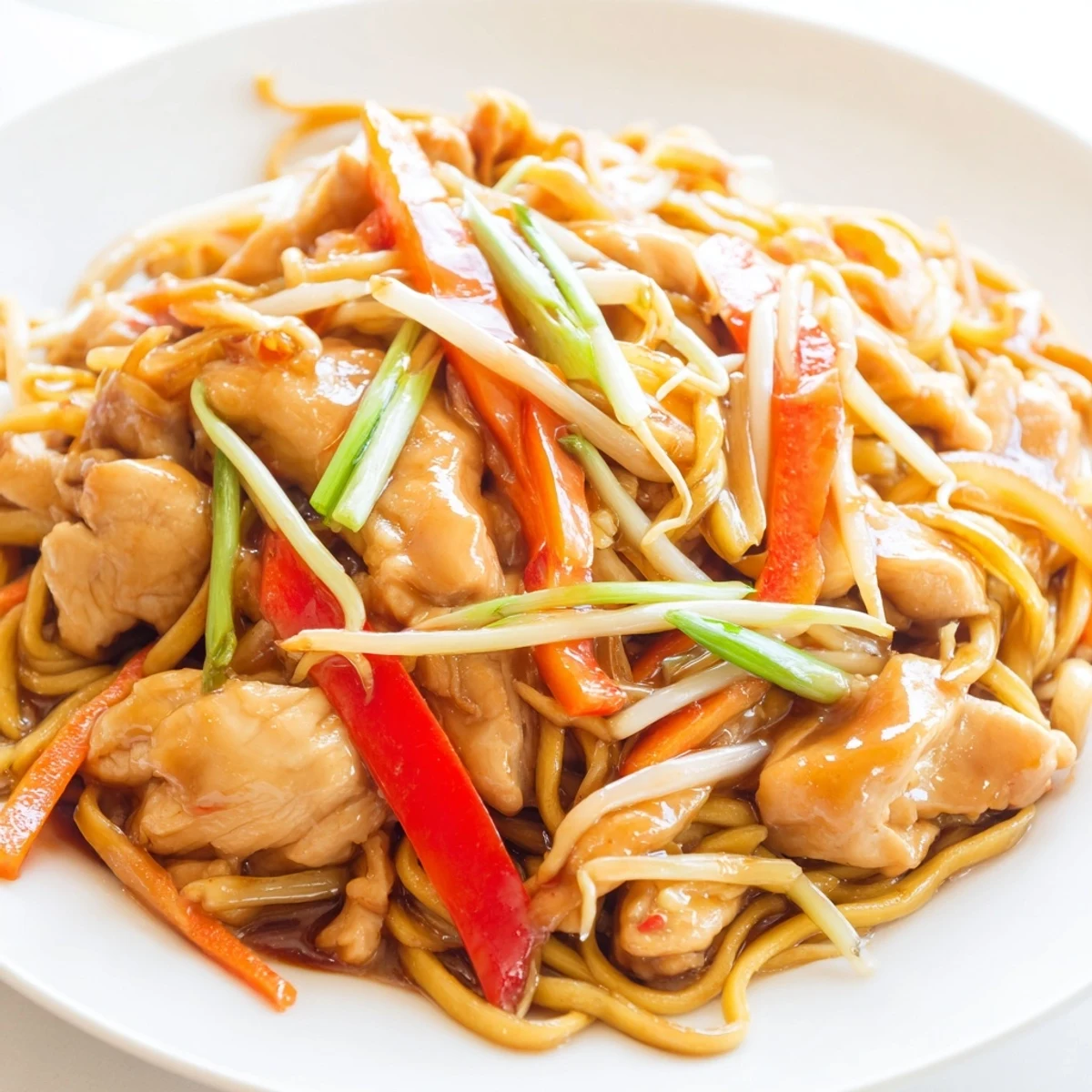
 This Chinese-inspired noodle dish brings together tender marinated chicken breast, fresh vegetables like carrots, bell peppers, and snow peas, all coated in a savory sauce of soy, oyster, and hoisin. The entire meal comes together in just 35 minutes with basic stir-fry techniques. Perfect for busy weeknights when you want something satisfying and flavorful without spending hours in the kitchen.
The secret lies in properly marinating the chicken and cooking everything over high heat to maintain texture. Feel free to customize with your favorite vegetables or swap the protein for shrimp, beef, or tofu based on preference.
My tiny apartment kitchen became an accidental takeout laboratory the year I decided I could absolutely replicate my favorite delivery order at home. Countless smoky evenings later, this chow mein emerged victorious and honestly puts most restaurant versions to shame. The trick is keeping your wok screaming hot and accepting that you will probably need to open a window.
Last Tuesday, my roommate walked in mid stir-fry and immediately cancelled her dinner plans. Now she asks for this at least once a week and has started conveniently forgetting to buy groceries on Tuesdays.
Ingredients
- Chicken breast: Thinly slicing against the grain makes every bite impossibly tender
- Cornstarch: The secret velvet technique Chinese restaurants use to keep meat silky and moist
- Egg noodles: Chow mein noodles have that perfect slightly springy texture that holds up beautifully in the sauce
- Soy sauce: Your umami foundation, dont be tempted to reduce it
- Oyster sauce: Adds a rich depth that soy alone cannot achieve
- Hoisin sauce: Brings a subtle sweetness that rounds out all the salty elements
- Sesame oil: Just a teaspoon in the marinade transforms plain chicken into something aromatic and special
- Garlic: Minced fresh, never jarred, it blooms in hot oil and creates the backbone of flavor
- Bean sprouts: Essential for that characteristic crunch that balances the soft noodles
Instructions
- Marinate the chicken:
- Combine sliced chicken with soy sauce, cornstarch and sesame oil, then let it sit for 10 minutes while you prep everything else. This coating protects the meat during high heat cooking.
- Mix the sauce:
- Whisk together soy sauce, oyster sauce, hoisin, sugar, white pepper and water until the sugar dissolves completely. Having this ready before you start cooking is crucial.
- Prepare the noodles:
- Cook noodles according to package directions, then drain and rinse under cold water immediately to stop the cooking. Toss with a teaspoon of oil so they do not stick together.
- Sear the chicken:
- Heat your wok until smoking hot, add oil, then quickly stir-fry the chicken in batches if necessary. Do not crowd the pan or you will end up steaming instead of searing.
- Cook the vegetables:
- Fry garlic and onions first to release their aromatic oils, then add the harder vegetables like carrots before finishing with tender snow peas. Everything should remain crisp-tender.
- Bring it together:
- Return the chicken to the wok, add noodles and pour that sauce over everything while tossing constantly over high heat for 2 to 3 minutes. The sauce should bubble and cling to every strand.
 Save to Pinterest
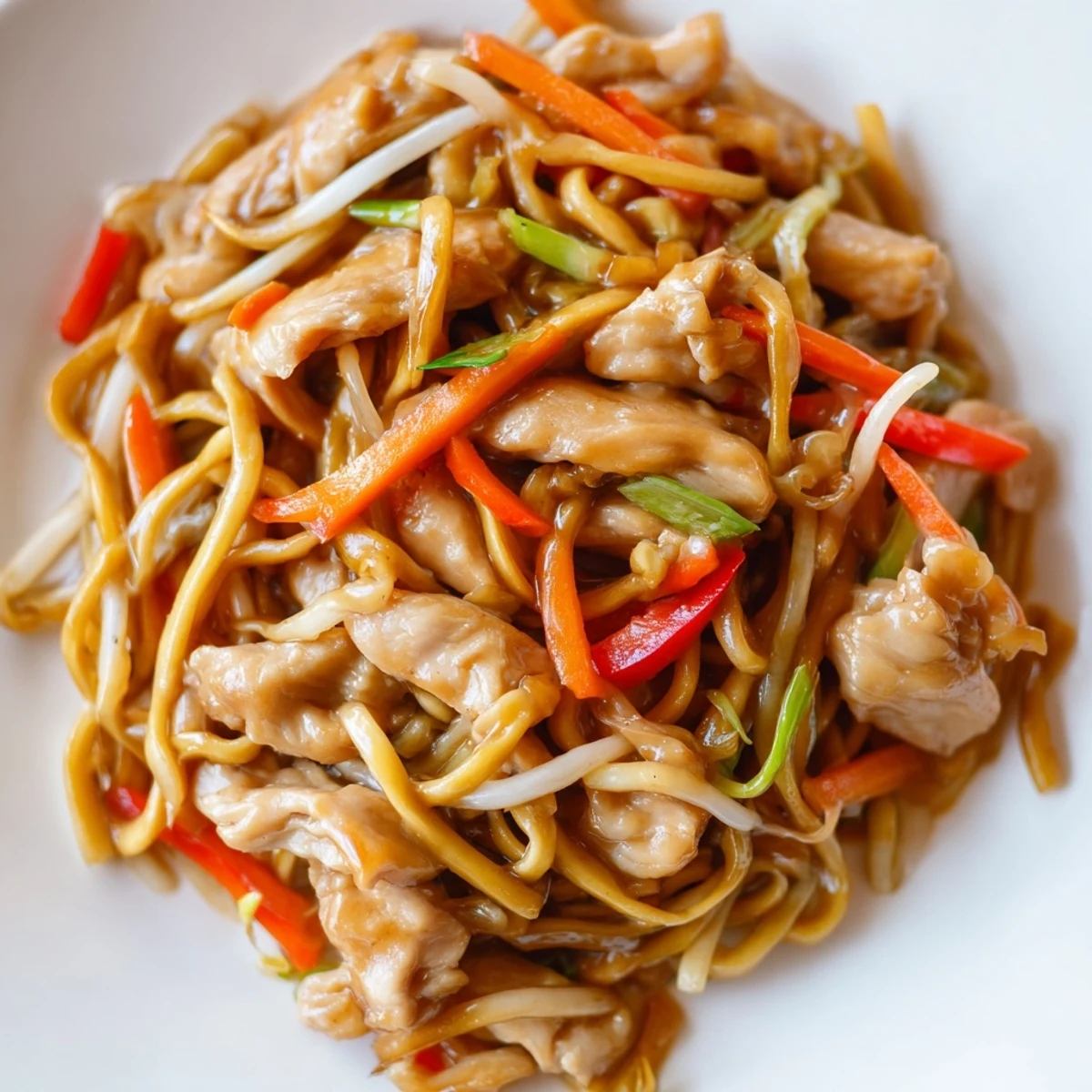
 The first time I made this for my family, my dad actually asked which takeout place I had discovered. Watching him reach for seconds while claiming he was too full was exactly the kind of moment that makes recipe testing worth every burnt wok.
Making It Your Own
Once you have the basic technique down, this recipe becomes a canvas for whatever vegetables are languishing in your crisper drawer. I have made successful variations with mushrooms, bok choy, even shredded cabbage when that was literally all I had.
The Noodle Situation
Fresh egg noodles from the refrigerated section of Asian markets will get you closest to restaurant quality. Do not stress though, even dried linguine or spaghetti works in a pinch, just cook them slightly less than package directions since they will finish in the sauce.
Leftover Strategy
This reheats surprisingly well, though I highly recommend eating it straight from the wok the first night. If you do have leftovers, add a splash of water when reheating and use a pan rather than the microwave.
- The noodles continue absorbing sauce as they sit, so leftovers might need an extra drizzle of soy sauce
- Bean sprouts lose their crunch overnight, so consider adding fresh ones when reheating
- This recipe actually doubles beautifully for meal prep, just keep the sauce separate until ready to eat
 Save to Pinterest
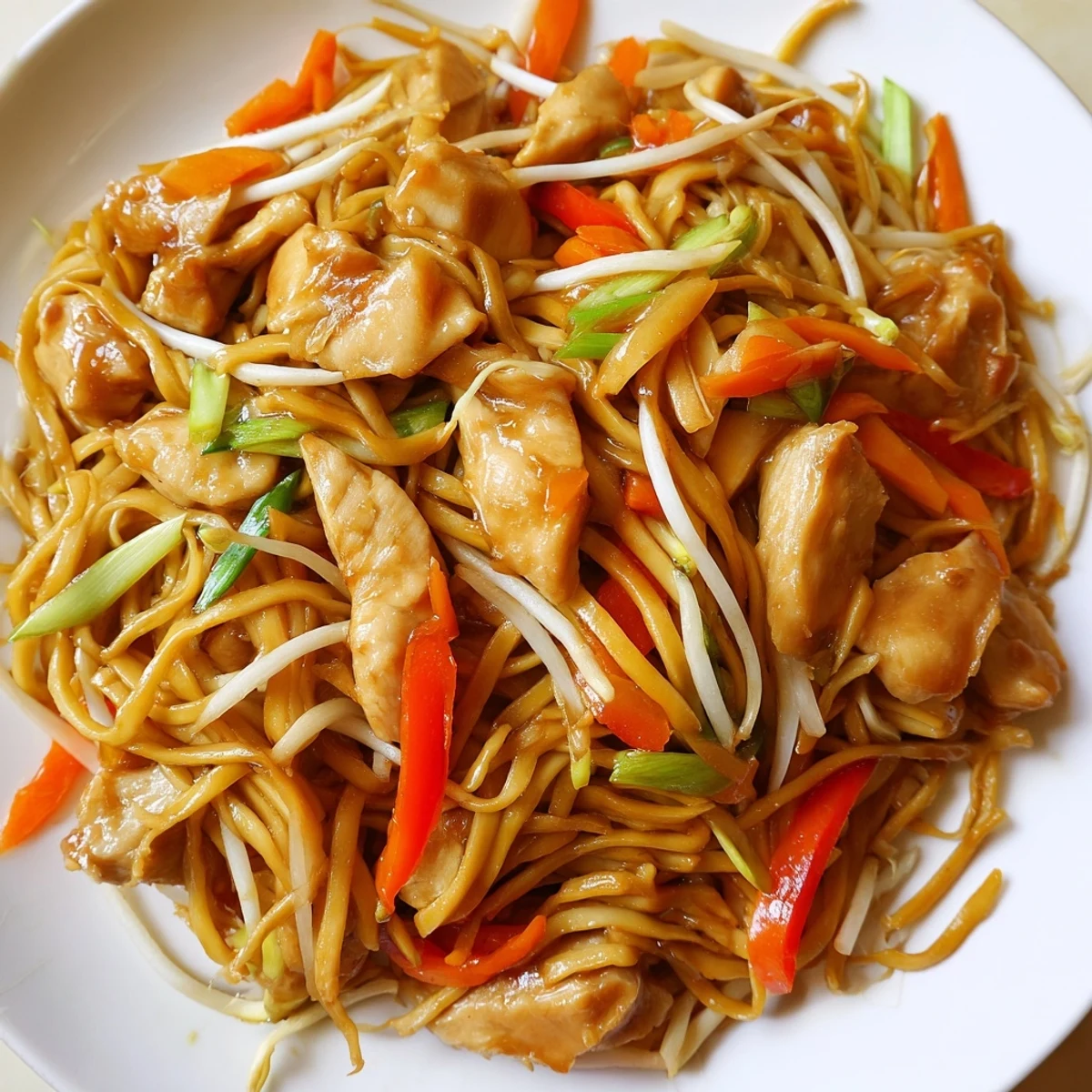
 There is something deeply satisfying about pulling off a dish that looks and tastes like it came from a professional kitchen. Now every time I smell sesame oil hitting hot oil, I feel instantly capable and comforted.
Common Questions
- → What type of noodles work best for chow mein?
-
Traditional chow mein uses egg noodles specifically designed for stir-frying. Look for fresh or dried egg noodles labeled as chow mein or stir-fry noodles. These hold their texture well when tossed with sauce and cooked over high heat. Lo mein noodles or thin Chinese egg noodles make excellent substitutes if you can't find specific chow mein noodles.
- → How do I prevent the noodles from becoming mushy?
-
Cook noodles according to package instructions until just al dente, then rinse immediately under cold water to stop the cooking process. Toss with a small amount of oil to prevent sticking. When adding to the stir-fry, toss everything together over high heat for just 2-3 minutes to heat through without overcooking the noodles.
- → Can I prepare chicken chow mein ahead of time?
-
While best served immediately, you can prep components in advance. Marinate the chicken up to 4 hours ahead, chop vegetables, and mix the sauce. Cook fresh when ready to eat for optimal texture. Leftovers store well in the refrigerator for 2-3 days, though the noodles will soften when reheated.
- → What vegetables can I add or substitute?
-
This dish is highly versatile. Consider adding bok choy, broccoli florets, sliced mushrooms, shredded cabbage, or baby corn. Feel free to adjust based on what's in season or available. The key is cutting vegetables into uniform, thin pieces so they cook quickly and evenly during the high-heat stir-fry process.
- → Is this dish gluten-free?
-
Traditional chow mein contains gluten from soy sauce, oyster sauce, hoisin sauce, and wheat-based noodles. To make gluten-free, substitute with tamari or coconut aminos, use gluten-free oyster sauce, and opt for rice noodles or verified gluten-free noodles. Always check labels carefully if avoiding gluten for dietary reasons.