
 Save to Pinterest
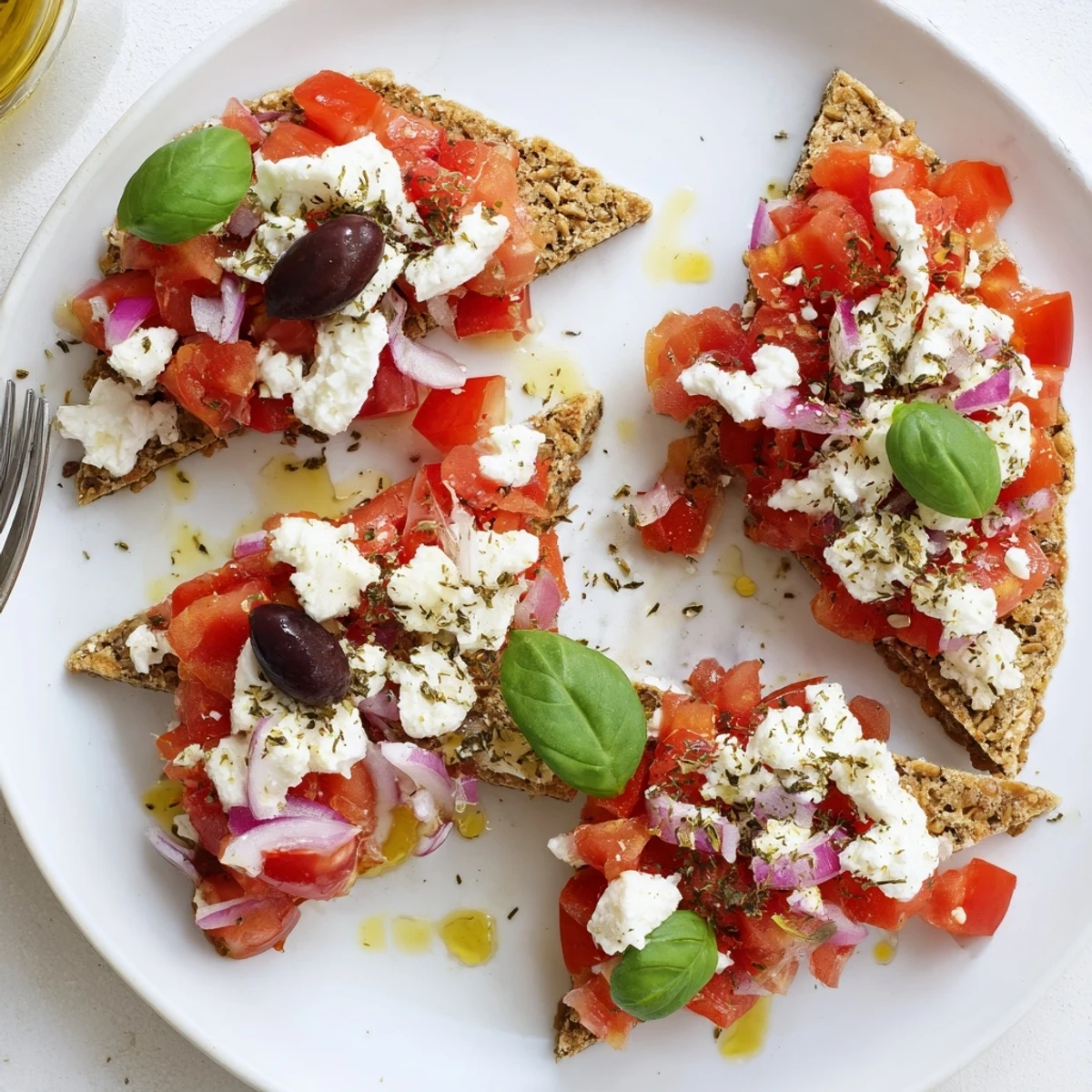
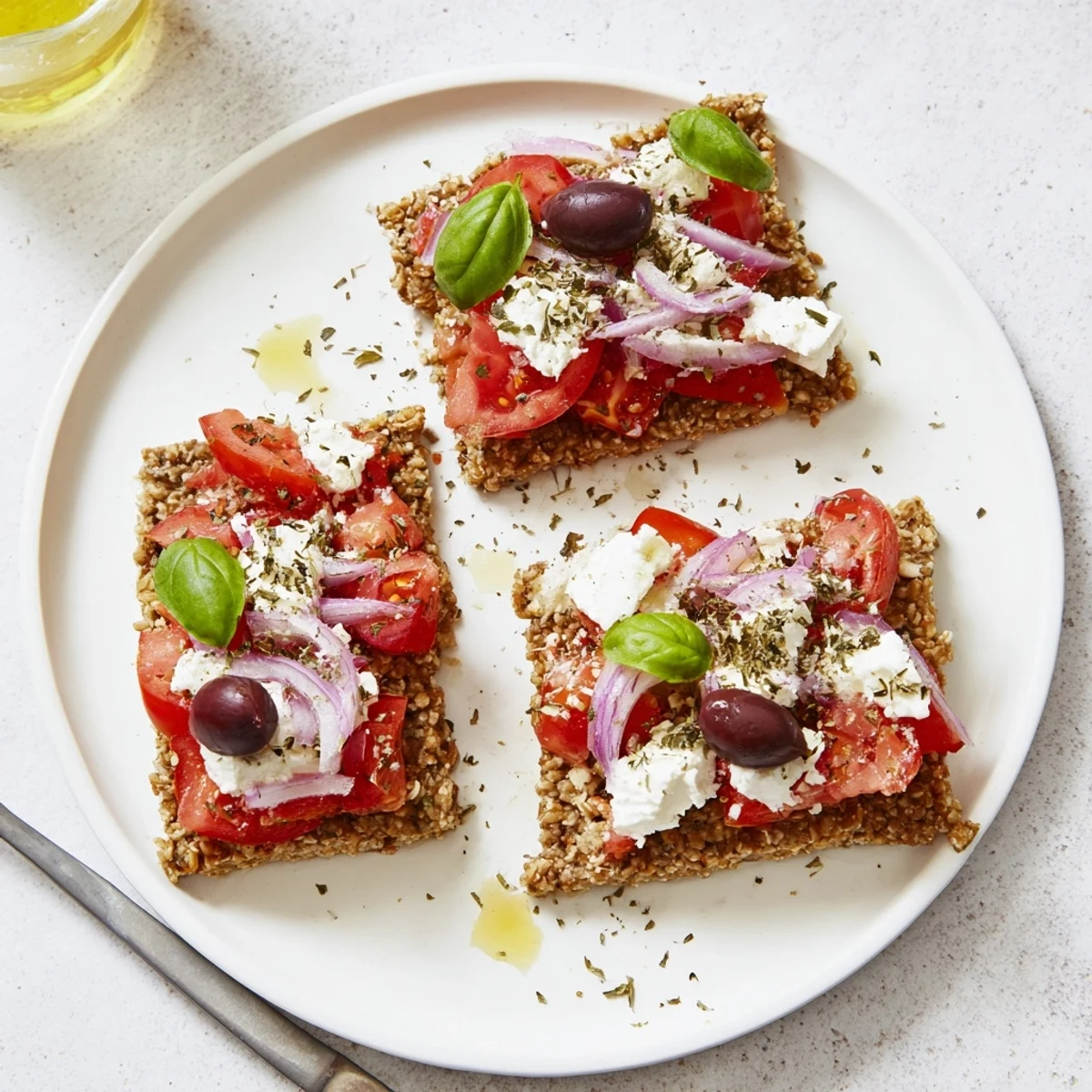
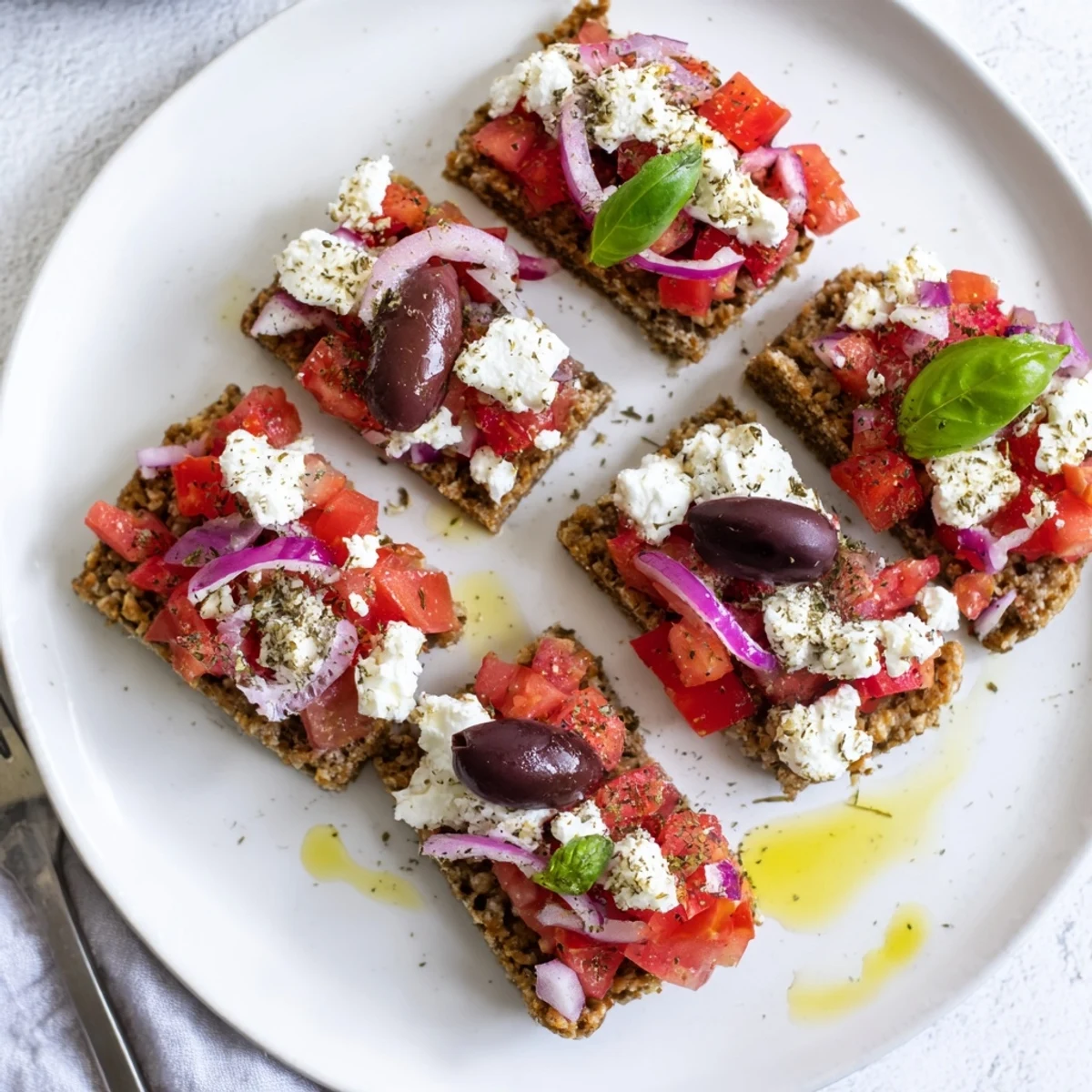
 These crispy Cretan feta rusks bring together the best of Mediterranean flavors on a hearty barley base. Toasted until golden, each rusk is drizzled with extra virgin olive oil, then piled with fresh diced tomatoes, red onion and generously crumbled feta cheese.
A sprinkle of dried oregano and cracked black pepper finishes them off beautifully. Ready in just 25 minutes, they make an effortless appetizer or light lunch that captures the essence of Greek island cooking.
The screen door slammed shut behind me as I carried a plate of these rusks out to the stone wall overlooking the Aegean, the cheese still warm and the tomatoes glistening in the late afternoon light. My host in Crete had thrown the dish together in minutes, barely measuring anything, yet every bite carried the kind of confidence that only comes from making something a thousand times. I scribbled the method on a napkin that evening, the paper stained with olive oil and something that might have been wine.
I made these for a potluck once and watched a friend who never goes near appetizers eat four of them standing up before dinner was even served. The plate came back empty and someone asked if I had hidden butter in the feta. I had not.
Ingredients
- 8 large Cretan barley rusks (dakos): These are the backbone and they need to be sturdy, so skip anything that resembles a delicate cracker.
- 200 g feta cheese, crumbled: Use a block of real Greek feta packed in brine, not the pre crumbed dry stuff in tubs.
- 3 medium ripe tomatoes, finely diced: The juicier the better because that liquid is what softens the rusk into something wonderful.
- 1 small red onion, finely chopped: Soak the pieces in cold water for five minutes if you want to tame the bite.
- 4 tbsp extra virgin olive oil: This is not the place for your shy, neutral oil, use the peppery green stuff.
- 1 tsp dried oregano: Rub it between your palms over the dish to wake up the oils before it lands.
- Freshly ground black pepper: Be generous, it anchors the saltiness of the feta.
- Sea salt: Go easy here because the feta and olives already carry plenty of salt.
- A few Kalamata olives, pitted and sliced (optional): They add a briny punch that makes the whole thing feel more complete.
- Fresh basil or parsley leaves (optional): Torn, not chopped, scattered at the very end for color and freshness.
Instructions
- Warm the oven:
- Set it to 180C (350F) and let it come fully to temperature while you prep the toppings, because a properly heated oven makes all the difference for that initial crisp.
- Prepare the rusks:
- Lay the barley rusks on a baking tray and flick a few drops of water over each one, just enough to take the edge off without making them soggy. Think of it like waking them up rather than soaking them.
- Toast until golden:
- Bake for 7 to 10 minutes until the surface feels firm and the edges have taken on a faint warmth and color. Your kitchen will start smelling like a bakery.
- Drizzle while warm:
- Pull them from the oven and immediately pour about a tablespoon of olive oil over each rusk so it seeps into the warm surface like butter on toast.
- Layer the vegetables:
- Spoon the diced tomatoes over each rusk and scatter the red onion on top, letting the juices pool into every crack and corner of the bread.
- Add the feta:
- Crumble generous amounts over the tomato layer, pressing gently so it settles in rather than tumbling off the edges.
- Season and finish:
- Shower with oregano, crack black pepper across the top, and add a pinch of sea salt only if your feta is on the mild side.
- Final drizzle and serve:
- Pour any remaining olive oil over the assembled rusks, tuck olives and herbs here and there if you are using them, and bring them to the table immediately while the contrast of textures is at its peak.
 Save to Pinterest
 There was a night in Athens when a taverna owner refused to let me pay for a plate of these because he said anyone who ate them that slowly clearly understood them. I am not sure that was true but I took the compliment.
What to Drink Alongside
A cold glass of Assyrtiko or a sharp Sauvignon Blanc cuts right through the richness of the feta and olive oil without competing. If you prefer red, something light and unoaked works better than anything heavy.
Easy Variations to Try
Swap the feta for fresh mizithra or a soft goat cheese if you want something milder and creamier. Throw on some capers, diced cucumber, or chopped green peppers when you feel like stretching the plate a little further.
Getting the Texture Right
The entire magic of dakos lives in the tension between the dry crunch of the rusk and the wet burst of the tomato, so protect that balance carefully.
- Use the ripest tomatoes you can find because their juice is doing real structural work here.
- Keep your feta on the drier side if your tomatoes are exceptionally juicy.
- Serve with napkins nearby because eating these gracefully is not really the point.
 Save to Pinterest
 Some dishes carry a place inside them and this one carries an entire island. Make it once and you will find yourself back at that table whenever you need it.
Common Questions
- → What type of rusks work best for this dish?
-
Traditional Cretan barley rusks, known as dakos, are ideal because of their dense, hearty texture that holds up well under toppings. If unavailable, any sturdy whole grain rusk or twice-baked bread will work.
- → Can I prepare the toppings ahead of time?
-
Yes, you can dice the tomatoes and onion and crumble the feta a few hours in advance. Store them separately in the refrigerator, then assemble on freshly toasted rusks just before serving for the best texture.
- → How do I keep the rusks from getting too soggy?
-
Toast the rusks in the oven until fully crisp before adding toppings, and serve immediately after assembling. A light drizzle of water before baking helps soften them slightly without making them mushy.
- → What cheese can I substitute for feta?
-
Fresh mizithra offers a milder, creamier alternative, while crumbled goat cheese adds a pleasant tang. Any firm, salty cheese that crumbles well will complement the other ingredients nicely.
- → What should I serve alongside these rusks?
-
A chilled glass of Assyrtiko or Sauvignon Blanc pairs wonderfully. You could also serve them alongside a simple Greek salad, hummus, or tzatziki for a more spread-out mezze-style meal.