
 Save to Pinterest
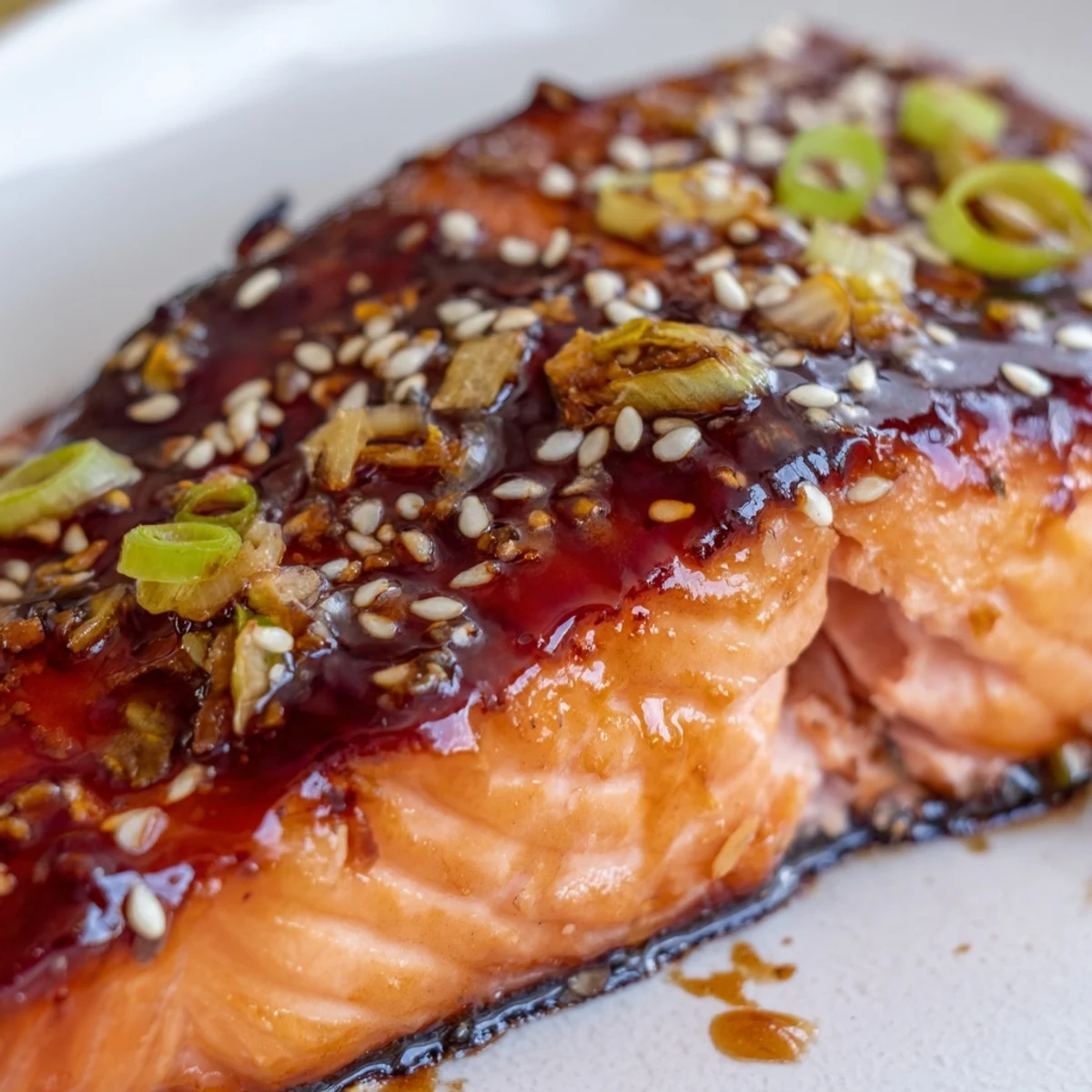
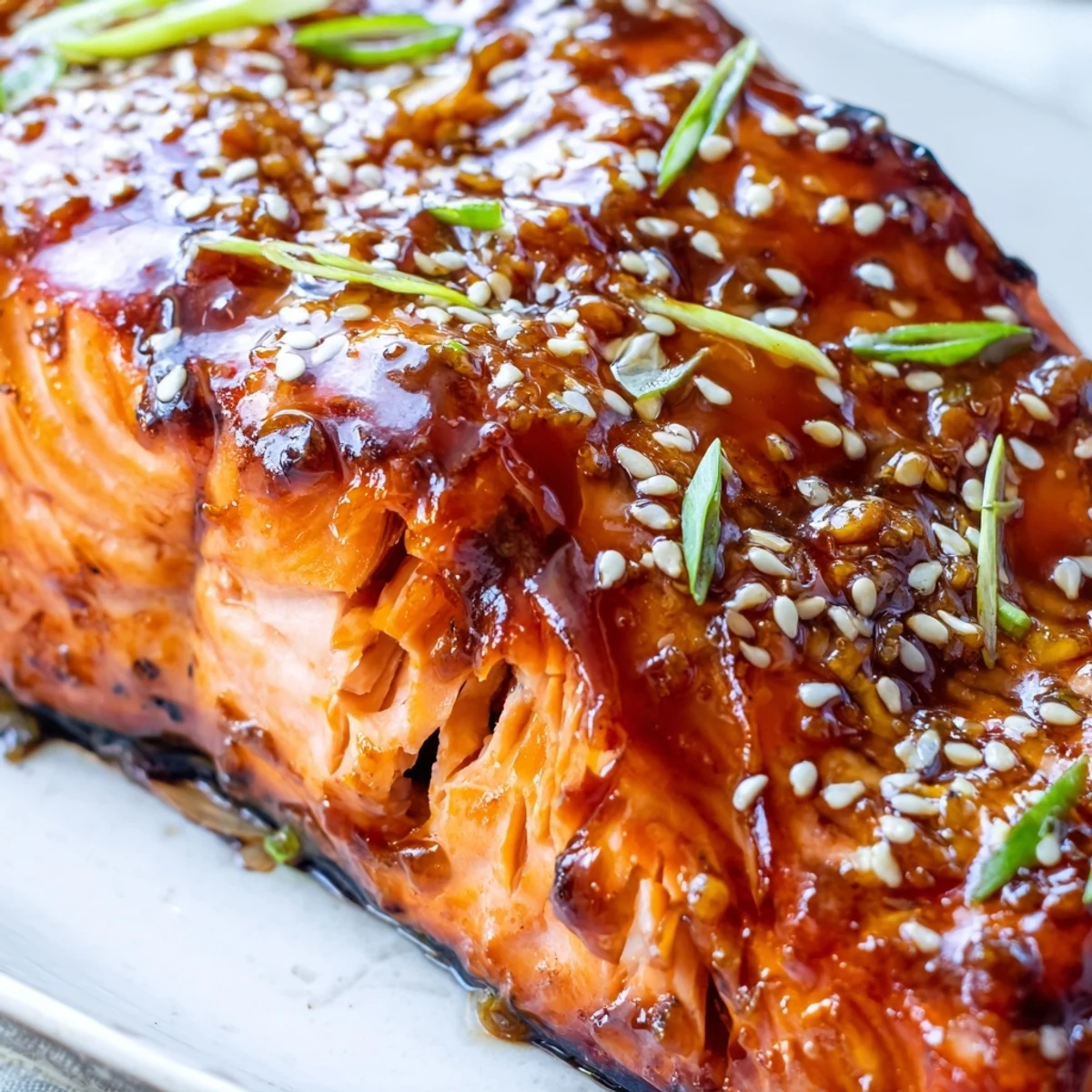
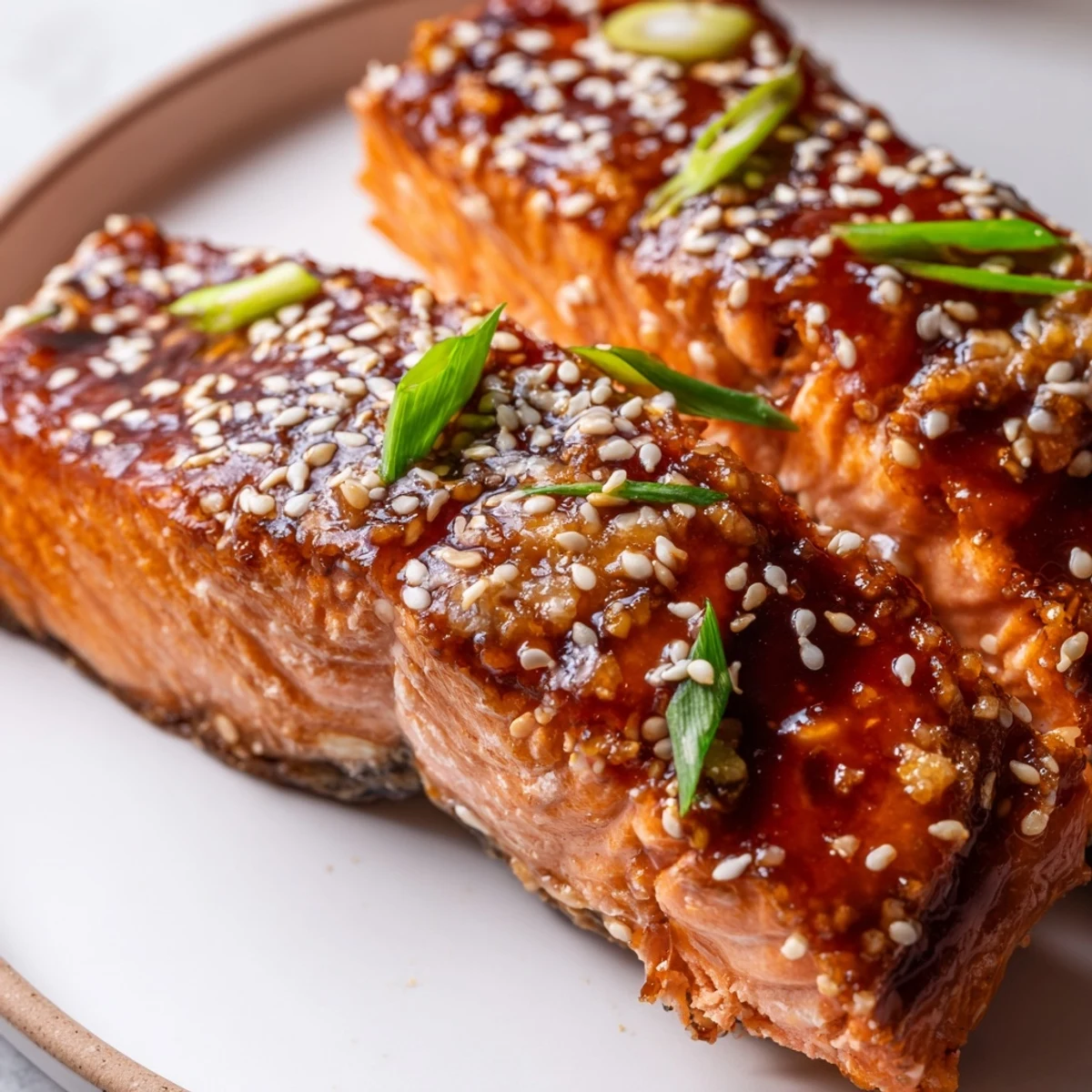
 This gluten-free teriyaki salmon brings bold Japanese flavors to your table in under 30 minutes. Four fresh salmon fillets are brushed with a luscious homemade sauce made from tamari, maple syrup, rice vinegar, sesame oil, garlic, and ginger, then baked or grilled to flaky perfection.
The cornstarch-thickened glaze clings beautifully to each piece, delivering sweet, savory umami in every bite. Finished with a sprinkle of toasted sesame seeds and sliced spring onions, it pairs wonderfully with steamed rice and crisp vegetables for a complete weeknight meal.
My apartment smelled like a Japanese street food stall the night I threw together this teriyaki salmon on a whim, using whatever bottles sat in my fridge door. The glaze caramelized into something so glossy and perfect that my roommate actually stopped mid sentence, fork hovering, and just stared at her plate. That sauce, built from tamari and maple syrup and a little grated ginger, became my weeknight anchor for the next three years straight.
I once served this to a friend who swore she hated salmon, and she quietly went back for seconds without saying a word about it until the dishes were already washed.
Ingredients
- 4 salmon fillets, about 150 g each, skin on or skinless: Skin on fillets hold together beautifully under the broiler and get an irresistible crispy edge.
- 60 ml gluten free tamari: This is your flavor backbone, so spring for a good quality bottle, it makes a real difference.
- 30 ml pure maple syrup: The gentle sweetness rounds out the salt without making things cloying.
- 30 ml rice vinegar: A bright hit of acid that keeps the glaze from tasting flat or one note.
- 1 tbsp sesame oil: Just a splash lends that toasty, nutty fragrance people associate with restaurant teriyaki.
- 2 to 3 cloves garlic, minced: Fresh is non negotiable here, the jarred stuff gets lost once the sauce reduces.
- 1 tbsp fresh ginger, grated: Grate it straight off the root and your kitchen will smell incredible.
- 1 tbsp cornstarch: This little bit of starch is the magic trick that turns thin liquid into a clinging, glossy glaze.
- 60 ml water: Mixed with cornstarch to form the slurry that thickens everything.
- 1 tbsp toasted sesame seeds: Pure visual charm and a welcome little crunch on top.
- 2 spring onions, sliced: Scattered on at the end for color and a mild, fresh bite.
Instructions
- Fire up the oven or grill:
- Set your oven to 200 degrees Celsius, which is 400 degrees Fahrenheit, or heat your grill to medium high. Give it time to fully come to temperature so the salmon gets a good sear.
- Build the teriyaki sauce base:
- Whisk tamari, maple syrup, rice vinegar, sesame oil, garlic, and ginger together in a small saucepan. The raw sauce already smells incredible, but it gets even better.
- Make and add the cornstarch slurry:
- Stir cornstarch and water in a small bowl until completely smooth, then pour it into the saucepan. Any lumps now will only get bigger once heat hits them.
- Simmer until glossy and thick:
- Bring the sauce to a gentle simmer over medium heat, stirring constantly, and watch it transform in about 2 to 3 minutes into something thick and lacquered. Pull it off the heat the moment it coats the back of a spoon.
- Prep the salmon fillets:
- Pat each fillet completely dry with paper towels and arrange them on a parchment lined baking sheet or a lightly oiled grill tray. Dry fish means the glaze actually sticks instead of sliding off.
- Glaze the fish generously:
- Brush every fillet with a liberal coat of the teriyaki sauce, saving a few spoonfuls for finishing. Do not be shy here, the more sauce on the fish, the better the caramelized edges.
- Cook until just opaque:
- Bake or grill for 10 to 12 minutes until the center is opaque and flakes easily with a fork. Salmon pulled at the right moment melts like butter in your mouth.
- Finish and serve:
- Drizzle the reserved sauce over the hot fillets, scatter sesame seeds and spring onions on top, and serve right away alongside steamed rice and whatever vegetables you love.
 Save to Pinterest
 The evening I made this for my parents on a visit home, my father carried his plate to the kitchen sink, turned around, and asked if there was any more fish left.
What to Serve Alongside
Steamed short grain rice is the obvious move, soaking up every drop of extra sauce, but I have also piled this salmon over cold soba noodles on warm nights and it was tremendous. A quick cucumber salad with rice vinegar and a pinch of sugar cuts through the richness perfectly.
Making It Your Own
Coconut aminos swap in seamlessly for tamari if you are avoiding soy entirely, though the flavor becomes a little sweeter and less punchy. A shake of chili flakes into the sauce changes the whole mood of the dish if you like some heat. Honey works in place of maple syrup, but expect a slightly darker, more floral sweetness.
Getting Ahead and Storing Leftovers
The teriyaki sauce can be made up to five days in advance and kept in a jar in the fridge, which turns a weeknight dinner into something almost effortless. Leftover salmon keeps well for two days and is shockingly good cold, flaked over a lunchtime salad. Reheat gently in a low oven if you prefer it warm, since the microwave will cook it further and dry it out.
- Double the sauce recipe and keep the extra in the fridge for chicken or tofu later in the week.
- Check that your tamari and cornstarch are certified gluten free, because not all brands are.
- Pull the salmon from the fridge 15 minutes before cooking so it comes closer to room temperature for even cooking.
 Save to Pinterest
 This is the kind of recipe that earns a permanent spot in your rotation, simple enough for a Tuesday and impressive enough for company. Keep a bottle of tamari and some maple syrup in your pantry and you are always 25 minutes away from something wonderful.
Common Questions
- → Can I use regular soy sauce instead of tamari?
-
You can, but the dish would no longer be gluten-free. Tamari is a gluten-free alternative that delivers a similarly rich, savory flavor. For a soy-free option, coconut aminos work as well, though the sauce will taste slightly sweeter.
- → Should I cook the salmon with the skin on or off?
-
Either works well. Skin-on fillets hold together nicely during cooking and the skin crisps up beautifully under the grill. If baking, you can place them skin-side down on parchment for easy removal after cooking.
- → How do I know when the salmon is done?
-
Salmon is ready when it turns opaque and flakes easily with a fork in the thickest part. This typically takes 10 to 12 minutes at 200°C (400°F). The internal temperature should reach 63°C (145°F) for food safety.
- → Can I prepare the teriyaki sauce in advance?
-
Absolutely. The sauce can be made up to 5 days ahead and stored in an airtight container in the refrigerator. Gently reheat it on the stove or in the microwave, whisking to restore its smooth consistency before brushing onto the salmon.
- → What sides go best with teriyaki salmon?
-
Steamed jasmine or sushi rice is a classic pairing that soaks up the extra glaze. Add steamed or stir-fried vegetables like broccoli, snap peas, or bok choy for a balanced plate. A simple cucumber salad also complements the rich flavors nicely.
- → Can I grill the salmon instead of baking it?
-
Yes, grilling works wonderfully and adds a lovely smoky char. Set your grill to medium-high heat, oil the grates well, and cook the salmon for about 4 to 5 minutes per side, basting with extra sauce as it cooks.