
 Save to Pinterest
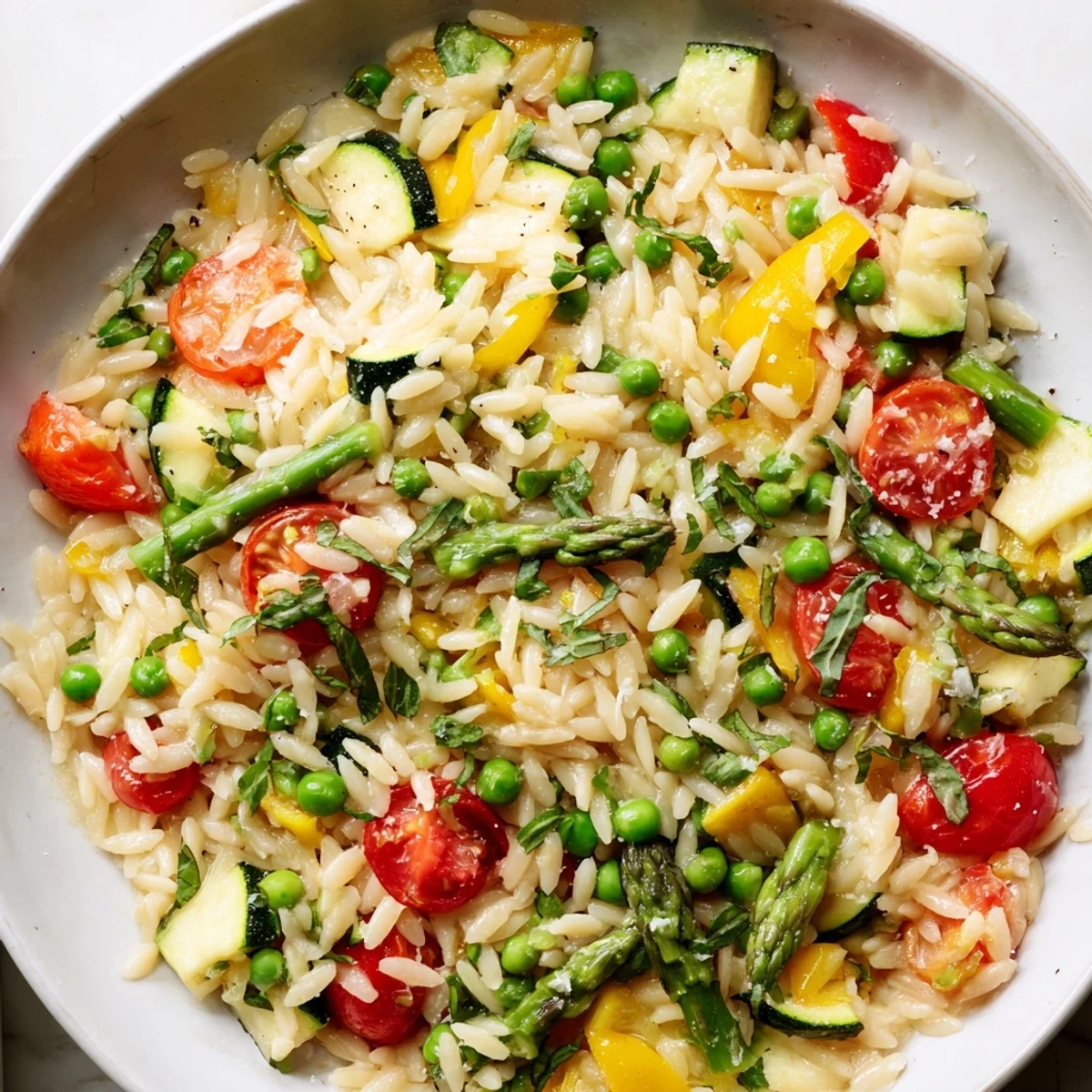
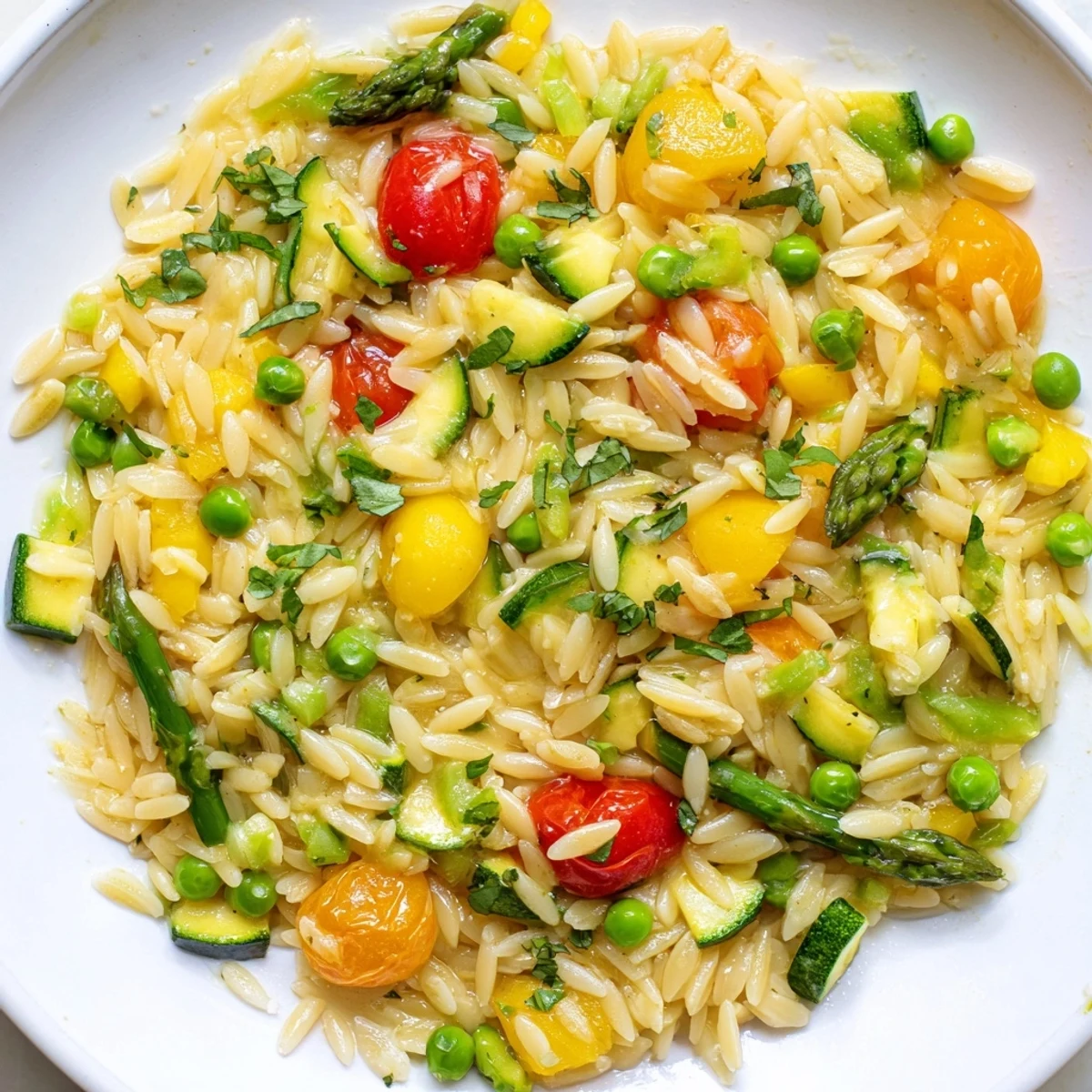
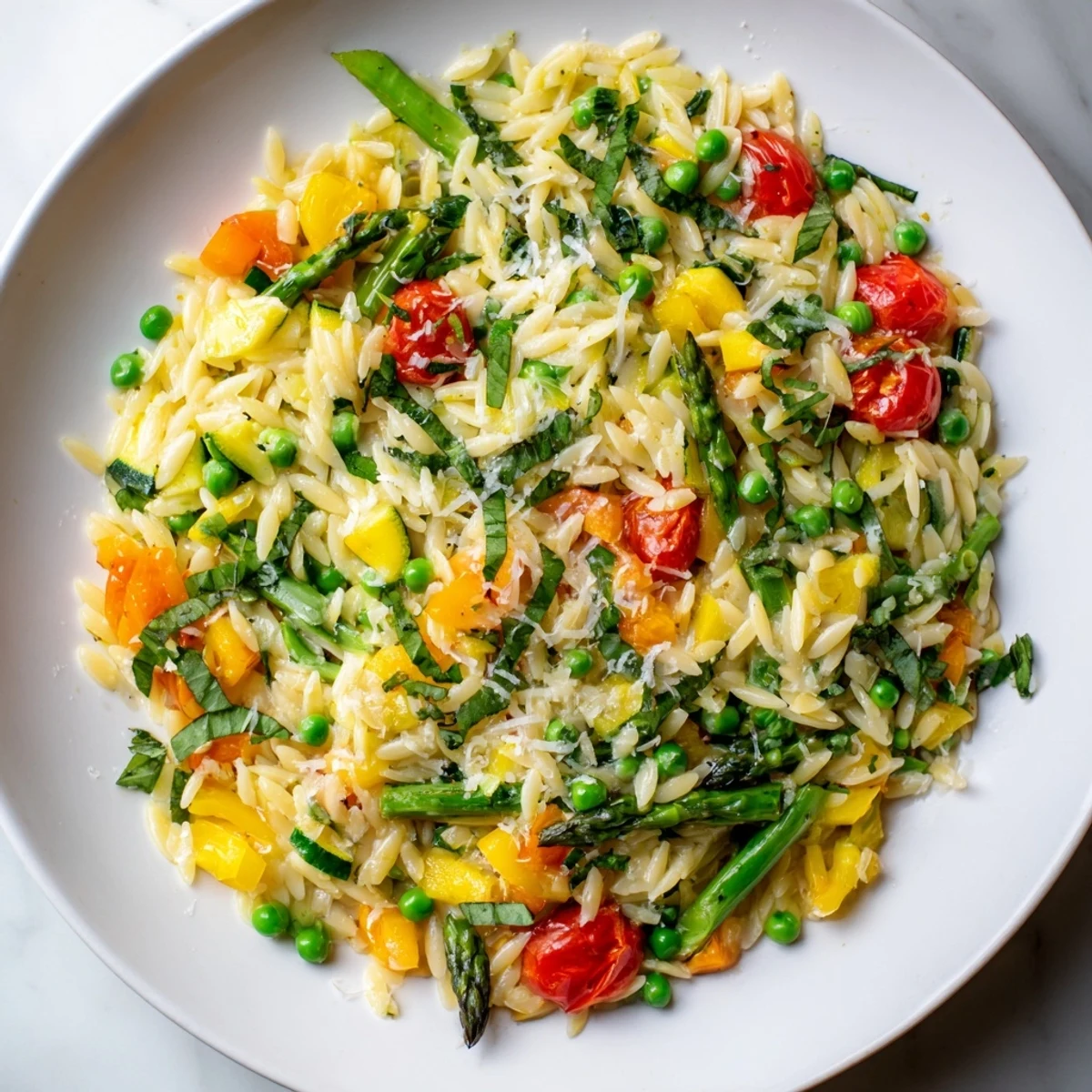
 This colorful Italian-inspired dish combines tender orzo pasta with a vibrant medley of spring vegetables including zucchini, cherry tomatoes, bell pepper, asparagus, and sweet peas. The vegetables are sautéed until just tender, then tossed with the cooked orzo in a creamy sauce made with reserved pasta water, grated Parmesan, bright lemon zest and juice, and fragrant garlic.
Fresh basil and parsley add herbal notes, while extra Parmesan offers a savory finish. The entire dish comes together in just 35 minutes, making it perfect for weeknight dinners or casual entertaining. Serve alongside crisp white wine like Pinot Grigio for a complete vegetarian meal that's both satisfying and refreshing.
The first time I made orzo primavera, I was rushing to feed friends who had just dropped by unexpectedly. I grabbed whatever vegetables were in the crisper drawer, not thinking much about it until someone took a bite and went completely silent. That moment taught me that sometimes the simplest combinations, treated with a little care and attention, become the dishes people actually remember.
Last spring, I made this for my grandmother who claimed she did not like pasta dishes that were too heavy. She watched me chop the vegetables and asked why I did not just roast them instead. When she took her first bite, she nodded slowly and asked for the recipe, which is basically her highest form of culinary praise.
Ingredients
- 250 g orzo pasta: This rice shaped pasta has this incredible way of clinging to sauce while maintaining a satisfying bite that regular pasta sometimes lacks
- 1.5 L water and 1 tsp salt: Salting the pasta water aggressively is the only way to season the orzo from the inside out
- 1 small zucchini, diced: Summer squash adds subtle sweetness and a tender texture that pairs beautifully with the firmer vegetables
- 1 cup cherry tomatoes, halved: They burst slightly during cooking, releasing their juices into the sauce for natural sweetness
- 1 yellow bell pepper, diced: Provides crunch and a bright pop of color that makes the dish look as good as it tastes
- 1 cup asparagus, cut into 2 cm pieces: Look for thin stalks as they cook quickly and stay tender without becoming mushy
- 1 cup fresh or frozen peas: Even frozen peas work perfectly here, adding sweetness and pockets of vibrant green
- 2 tbsp olive oil: The foundation that carries all the garlic and vegetable flavors through the dish
- 3 cloves garlic, minced: Do not be shy with fresh garlic, it mellows beautifully when cooked with the vegetables
- 1/2 cup grated Parmesan cheese: Creates that luscious creamy coating without needing any heavy cream
- Zest and juice of 1 lemon: The zest adds aromatic brightness while the juice cuts through the richness
- Salt and black pepper: Taste at the end and adjust, the Parmesan adds saltiness so start light
- 2 tbsp chopped fresh basil and parsley: Add these at the very end to preserve their fresh flavor and vibrant color
Instructions
- Start the orzo cooking:
- Bring the water and 1 tsp salt to a rolling boil in a large pot. Cook the orzo according to package directions until al dente, usually about 8 to 10 minutes. Drain the pasta but remember to reserve 1/2 cup of the starchy cooking water before you pour it down the drain, that liquid is liquid gold for bringing everything together.
- Sauté the aromatics:
- Heat the olive oil in a large skillet over medium heat. Add the minced garlic and let it sizzle for just 1 minute until fragrant, watching carefully so it does not brown and turn bitter.
- Cook the vegetables:
- Add the zucchini, cherry tomatoes, yellow bell pepper, asparagus, and peas to the skillet. Sauté for 4 to 5 minutes, stirring occasionally, until the vegetables are just tender but still have some crunch to them.
- Combine everything:
- Add the cooked orzo to the skillet with the vegetables. Pour in the reserved pasta water, then stir in the Parmesan cheese, lemon zest, and lemon juice. Keep tossing until the cheese melts and the starch from the pasta water creates a silky, creamy coating that clings to every bite.
- Season and finish:
- Taste the dish and season with salt and pepper as needed. Remove from heat and gently fold in the fresh basil and parsley.
- Serve immediately:
- Plate the orzo primavera while it is still hot, offering extra Parmesan and fresh herbs at the table so everyone can customize their bowl.
 Save to Pinterest
 This recipe has become my go to for new parents and busy friends because it feels special but does not require me to be tied to the stove for hours. One friend told me she started making it every Sunday for lunch prep, and honestly, that might be the best compliment a recipe can receive.
Making It Your Own
I have learned that this dish adapts beautifully to whatever vegetables are in season or languishing in your refrigerator. Sometimes I swap the zucchini for fresh corn kernels in summer, or add diced butternut squash in fall when I want something more comforting.
Getting The Texture Right
The key here is cooking the orzo until it is truly al dente, with a slight firmness at the center. If it is too soft, it will disintegrate when you toss it with the vegetables, turning into more of a risotto texture than the distinct little rice shapes that make orzo so delightful to eat.
Serving Suggestions
This dish works equally well as a light main course or as a side alongside grilled fish or chicken. The bright vegetables and lemon mean it pairs beautifully with white wine, making it perfect for alfresco dinners when the weather turns warm.
- Try adding a handful of arugula just before serving for a peppery contrast
- A dollop of ricotta on top adds a lovely creaminess without being overwhelming
- Toast some pine nuts and sprinkle them over for a nice crunch that complements the tender vegetables
 Save to Pinterest
 I hope this becomes one of those recipes you turn to when you need something that feels special but does not require hours of your time. Sometimes the best dishes are the ones that let simple ingredients shine exactly as they are.
Common Questions
- → Can I make orzo primavera ahead of time?
-
Yes, you can prepare the vegetables and cook the orzo up to a day in advance. Store them separately in airtight containers in the refrigerator. When ready to serve, reheat the vegetables in a skillet, warm the orzo with a splash of water, then combine with the Parmesan-lemon sauce and fresh herbs.
- → What vegetables work best in primavera dishes?
-
Spring vegetables shine in primavera preparations. Asparagus, peas, zucchini, cherry tomatoes, and bell pepper provide excellent texture and flavor contrast. You can also add snap peas, artichoke hearts, or baby spinach depending on seasonal availability and personal preference.
- → How do I prevent orzo from becoming mushy?
-
Cook orzo until al dente according to package directions, usually 8-10 minutes. Drain immediately and rinse with cool water to stop the cooking process. Reserve some pasta water before draining—this starchy liquid helps create a creamy sauce when combined with Parmesan and lemon.
- → Can I add protein to this vegetarian dish?
-
Grilled chicken breast, sautéed shrimp, or white beans make excellent protein additions. Cook meat separately and fold into the finished dish, or add beans during the final minutes of vegetable cooking. This transforms the light pasta into a more substantial main course.
- → What can I substitute for Parmesan cheese?
-
For a vegan version, nutritional yeast provides similar savory umami notes. Grated Pecorino Romano offers a sharper alternative, while aged Asiago delivers a nuttier profile. For a dairy-free option, blend cashews with nutritional yeast and lemon juice for a creamy sauce element.